Category: Articles

On holiday in the “axis of evil” – North Korea

Train from Beijing

On the train from Beijing to Pyongyang (more pictures below)

THE communists were watching intently. One wore a rough, green military uniform with a cut-off collar. He had a large, moon-like face and an inscrutable expression. The other, who had a flint-like look in his eye, was in a slick grey suit.

Both, like almost everyone else I was about to meet in the country, sported red circular badges depicting North Korea’s founding father, the “great leader” Kim Il Sung, who helped defeat the Japanese and set up the country in the 1940s. Their shoes were neatly placed on the floor of my tiny compartment on the Beijing to Pyongyang train. Journey time: 26 hours.

I sat up sharply. I was fully clothed and had been resting while officials took away my passport. This had already taken two hours. I was the only westerner on the shiny green train.

The man in the grey suit asked: “Do you have a mobile phone?” He seemed pleased I did. He took it, examined the casing, placed it in a brown envelope, sealed the ends with tape, stamped a red mark on the front, and said: “Do not use mobile phones in North Korea.”

I was asked to open my bags. The man with the moon-like face asked: “May we smoke?” And without a chance for a reply, they lit up.

Through a fug, they peered at my possessions. “What is this?” snapped the grey suit. It was a book by T.S. Eliot. “Poetry,” I said. He looked suspiciously at the cover. The other man flicked through the Bradt guidebook, examining the pictures and grunting. “And this?” It was a thriller by Lee Child. “Ah, crime action thriller,” he said, as though this was OK.

“Are you married?” asked the grey suit, suddenly. I said I wasn’t. He drew on his cigarette, exhaled a plume of smoke and replied thoughtfully: “A single man may live like a king but die like a dog.”

With that, they handed over my passport and departed. I was in. My visa was in order. I had received free life-counselling. I was a tourist in North Korea – probably the most secretive country on the planet.

Do not expect privacy in North Korea. Tourists are watched carefully by official guides who report to the secret police. I was on a nine-day visit on a package offered by a British travel company (a handful offers trips).

And I was monitored the entire time.

My guides, whose names I won’t give in case I cause them trouble, were with me almost every moment I was not in a hotel room. They met me at Pyongyang’s giant station, and hardly let me out of their sight.

The only time I was allowed to walk “on my own” from my hotel one afternoon, I soon discovered that X had been following.

“You went further than you said you would!” she admonished, in a friendly way. Even though they were keeping a close eye on me – I was visiting as a tourist not as a journalist (few are ever allowed in) – we got to know each other and became chums after their initial bouts of questioning in which I lied and told them vaguely that I was a travel agent. This “interrogation” only ended half-way through the trip, when they ran out of steam.

My tour took in Pyongyang, Kaesong in the south by the Demilitarised Zone, where there is the famous border point where you walk round a negotiating table to step into South Korea, a trip to mountains in the north, and a visit to the West Sea Barrage, a giant structure that prevents floods.

Pyongyang was the highlight. Everything about it was enormous, built on a giant scale: the concrete apartment blocks (many requiring a lick of paint), the endless monuments to Kim Il Sung and the Korean Workers’ Party, the “study houses” where children are taught musical instruments, the building of the Peoples’ Army Circus, the parade squares, the boulevards.

As the guidebook said, it is a showcase city. The country I’d seen from the train looked rundown: crumbling dwellings amid simple farmland with ploughs pulled by miserable-looking oxen with ribs showing.

Pyongyang, however, is designed to impress: there were even chandeliers, marble columns and fancy murals in the subway. It is so markedly different from the rest of the country that non-resident North Koreans are only allowed in with special permits. Otherwise, everyone would try to live in Pyongyang.

But despite the scale of the buildings, it was clear that poverty was a big problem. One obvious sign of the lack of wealth was the almost total absence of cars.

There were hardly any. Often our Landcruiser was the only vehicle on the road. People cycled or walked by, but the giant avenues were empty. This was particularly striking when we drove to Kaesong. Most of the time, we had the ridiculously big ten-lane motorway to ourselves.

Along the sides, people strolled along, staring in disbelief at the westerner – me – driving past.

We visited embroidery factories, acrobatic shows, memorials to soldiers, farms, Buddhist temples (Buddhism is tolerated), and military museums commemorating “victory” over the US in the Korean War in 1953. We stayed at comfortable hotels designed for diplomats; the one in Pyongyang even had CNN as well as the dull local station (constantly showing military band performances), though there was never the chance to use the internet freely.

At one hotel there was a computer where you could send emails from a hotel email account. But this was only allowed after the address of your recipient had been checked. Two of my three emails never arrived.

The cult of Kim Il Sung, who died in 1994 and whose son Kim Jong Il now runs the country (often causing bother over his pursuit of nuclear weapons), is strong.

Whenever we visited monuments to Il Sung – and we also went to his giant mausoleum, where locals broke down in tears – I was made to bow.

Even the slightest joke about the endless pictures of the Kims, which were on virtually every street corner, was frowned upon by the guides. “We do not say things like this about our great leader,” said X.

On Mount Myohyang, we went to the International Friendship Exhibition, a collection of gifts presented to the Kims by a ragbag of figures including Gaddafi, Castro and Mugabe. I asked whether it was ironic to celebrate international friendship when the citizens of North Korea are rarely permitted to visit the outside world.

“That is a very journalistic question,” said X, suspiciously.

Food was varied. We ate lots of barbecues (duck, chicken, beef), rice, tofu, bean sprouts, and kimchi, a spicy cabbage. Occasionally – as a westerner – I was given disgusting burgers and chips.

Sometimes the guides ate with me, other times not. But they always knew where I was, even if I was left alone. “You went to bed early,” X would say, even though I had eaten by myself and gone upstairs without thinking I’d been noticed.

You’re never really alone in North Korea. Big Brother really is always watching… sometimes even, as I discovered on the train from Beijing, when you’re fast sleep.
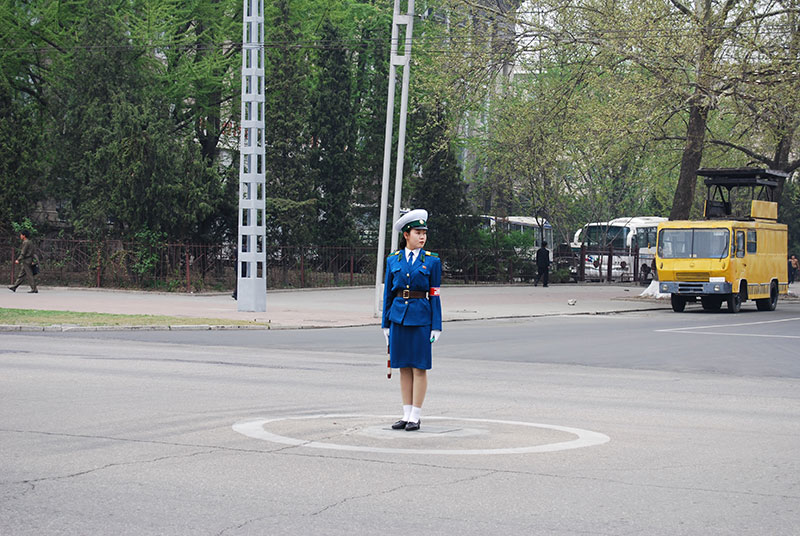
Traffic warden

Traffic warden, Pyongyang

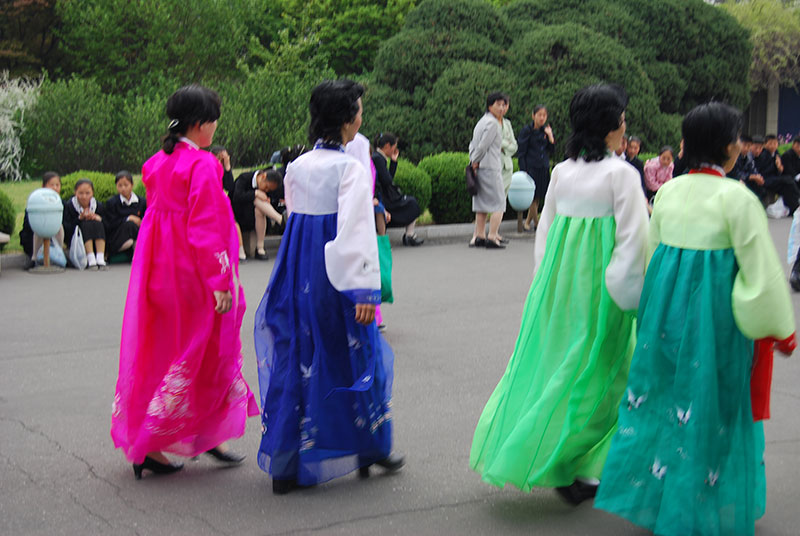
Traditional dress

Traditional dress, Pyongyang

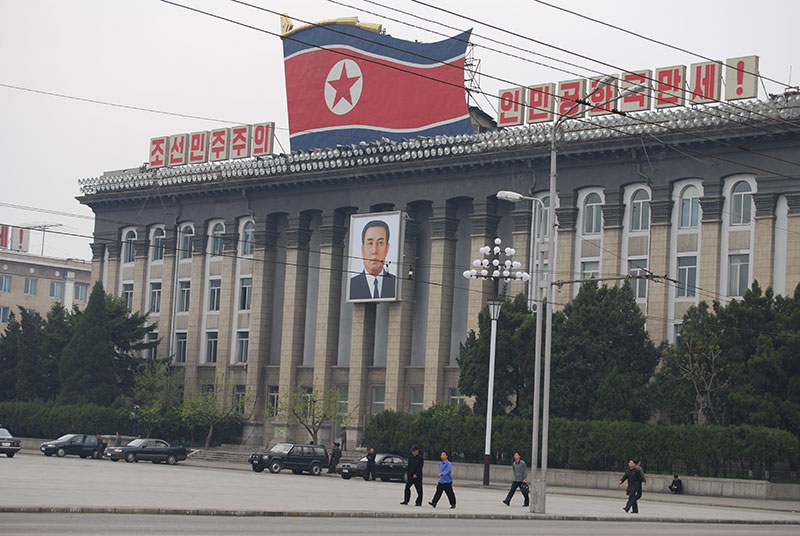
Central square Pyongyang

Central square, Pyongyang

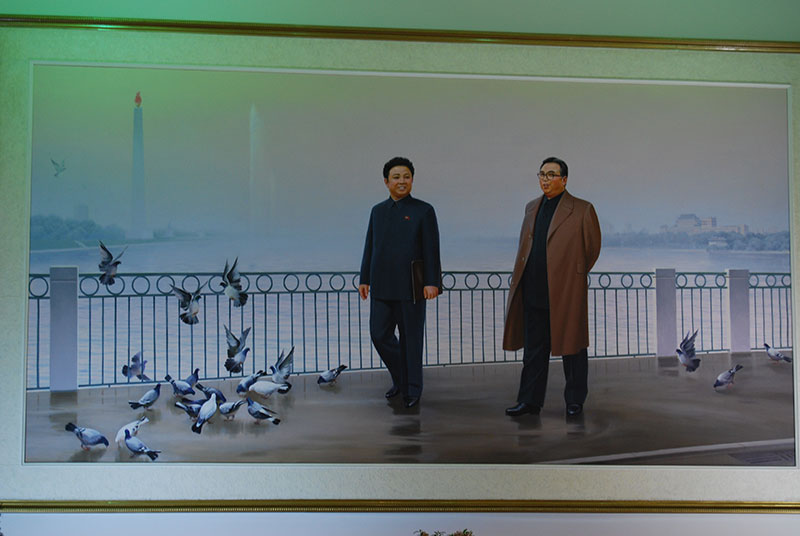
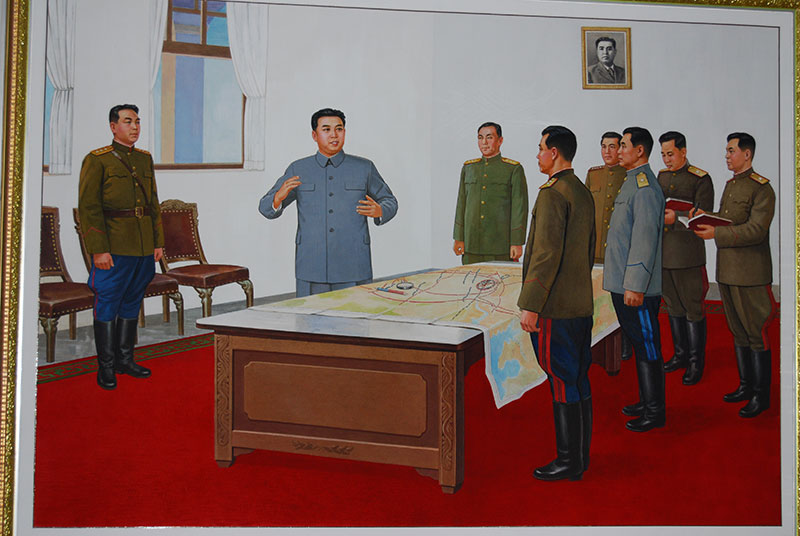
Great leader and son painting

The “great leader” and son – painting in hotel
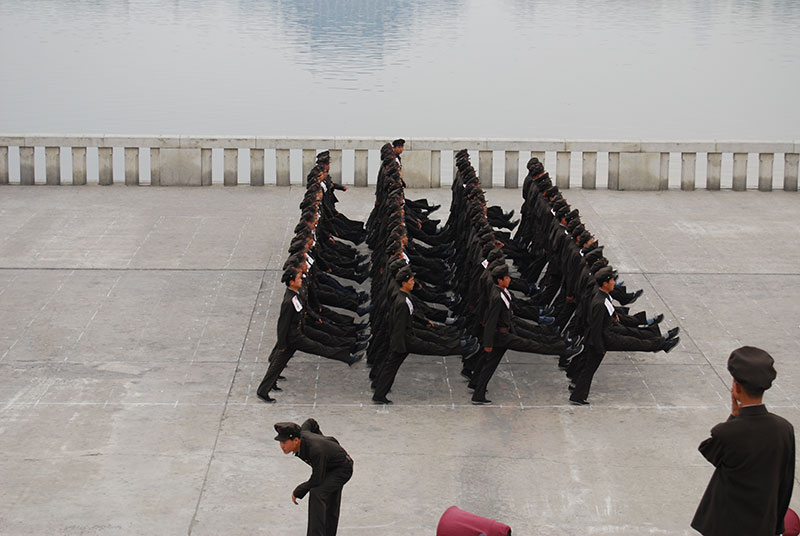
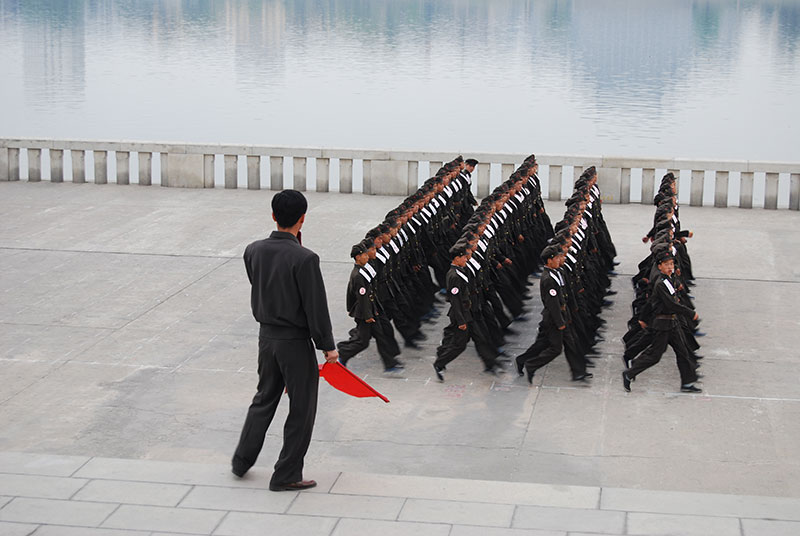
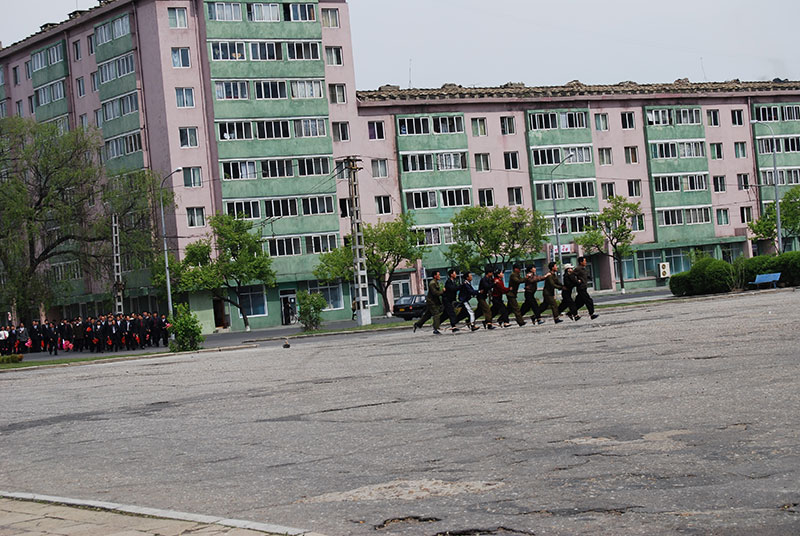
Parade practice

Parade practice, Pyongyang

Parade practice

Parade practice, Pyongyang

Service station employees

Meeting the service station employees on the way to the DMZ
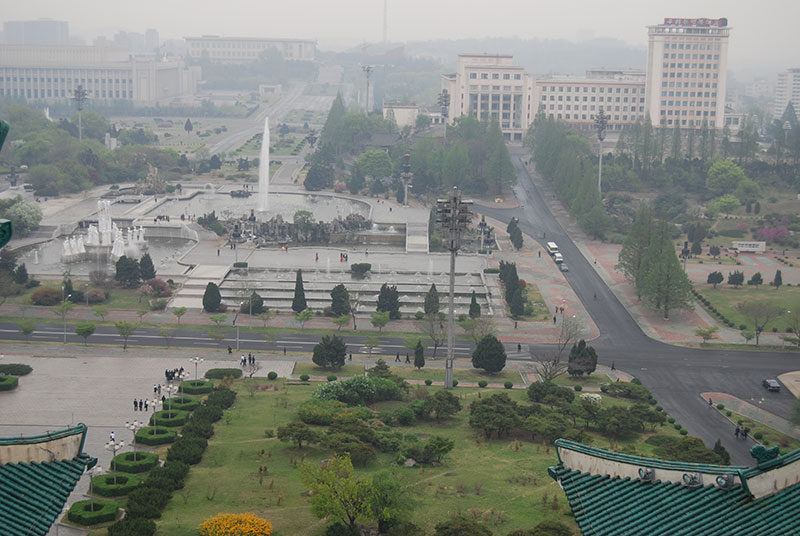
Centre of Pyongyang
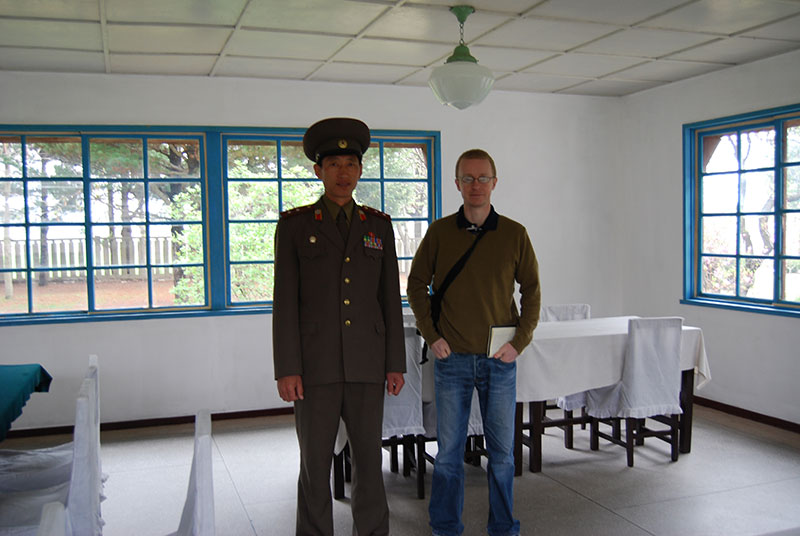
Centre of Pyongyang

At the DMZ

At the DMZ

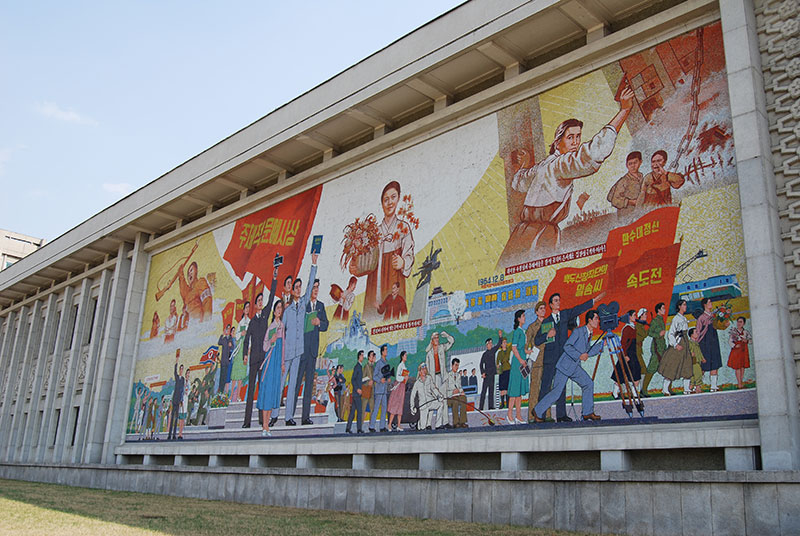
Propaganda poster

Propaganda poster

The great leader

The “great leader”

Propaganda poster
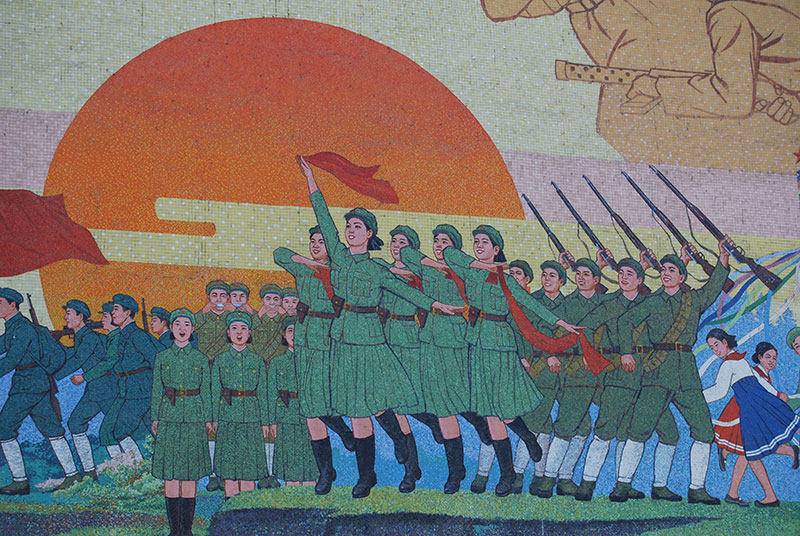
Propaganda poster
Propaganda poster

Propaganda poster

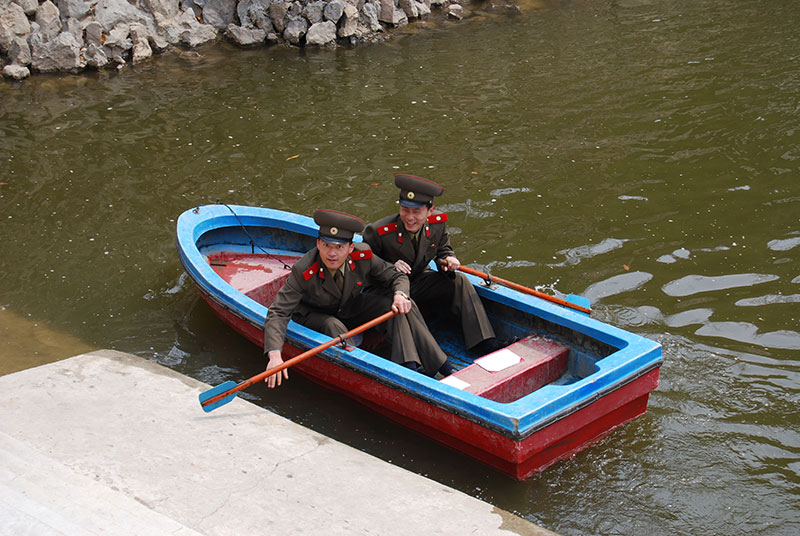
Soldiers taking a break
Soldiers taking a break

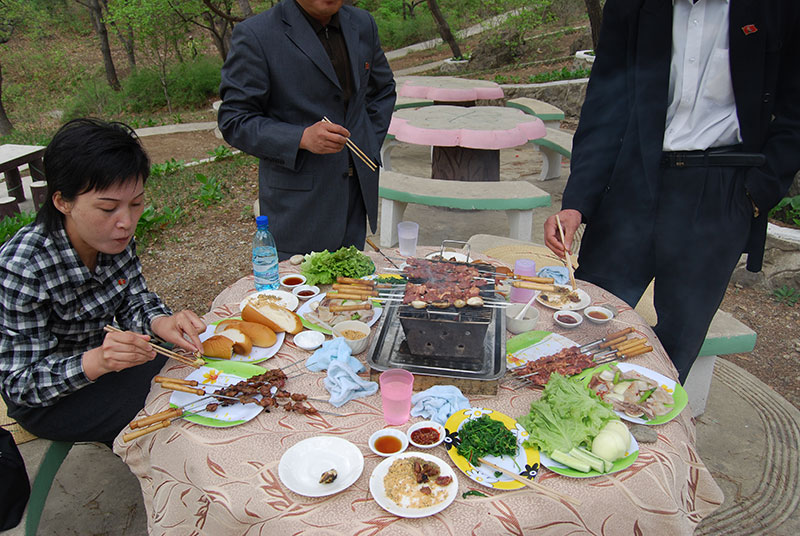
Picnic

Barbecue picnic

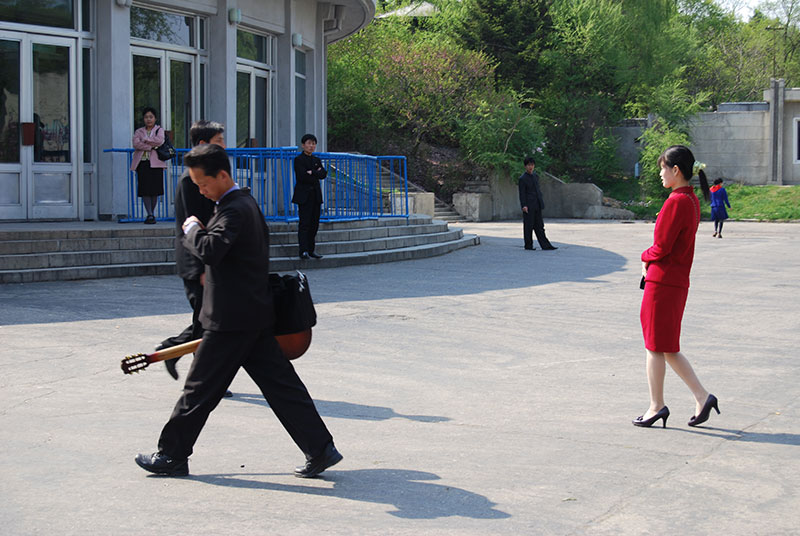
Busker

Busker and woman in red

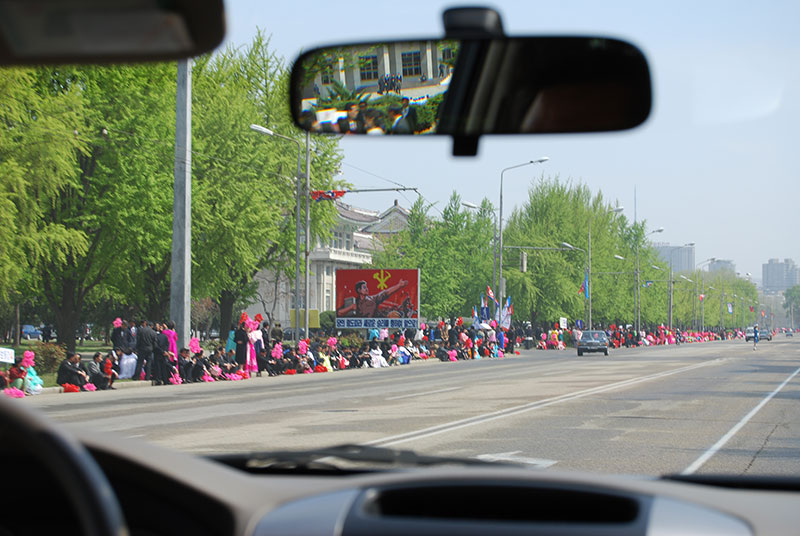
Lining the street

Lining the street to await the Olympic flame
Legs tied together

Legs tied together – not sure why…
Hip hop and chili dogs in Washington DC

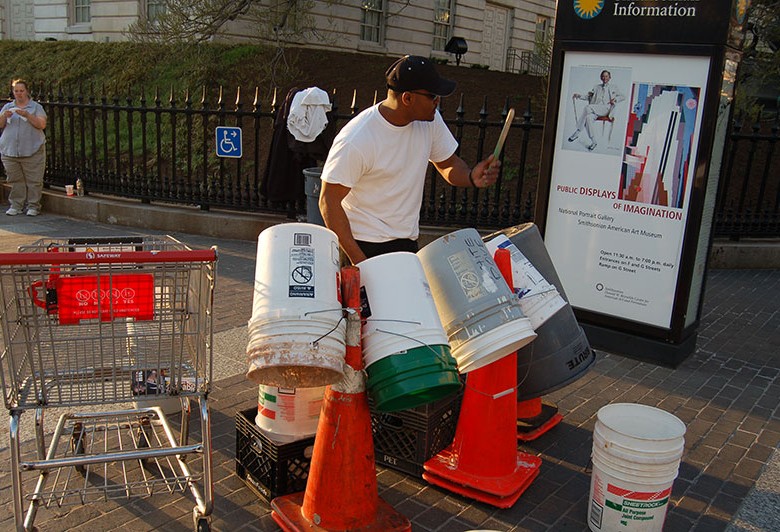
Drummer outside Washington Wizards stadium

Drummer outside Washington Wizards stadium (more pictures at end of the article)

by Tom Chesshyre 

MARY Speyer, the owner of a women’s retail chain in Jackson Hole, Wyoming, is talking to her gardener when I pull up in my hire car. She is blond and smiley, occasionally patting her golden retriever in her front garden on Lowell Street, north-west Washington DC.

It is a bright March morning – warm but not quite shorts weather. And everything seems spookily, extremely spookily, familiar.

The reason for this is simple: for four years in the early 1980s, when I was aged 10-14, this was where I lived.

I explain to Mary that I’ve come to DC on a “nostalgia tourism” trip. “How funny!” she exclaims, beaming and asking me about my parents’ work in America’s capital (my father was the Washington correspondent for The Observer, covering the Reagan years).

It has been almost 20 years since I was last in the city, I explain. “Really? Well isn’t that something,” says Mary inviting me in to see the house, where memories of completing homework in the dining room, mastering early computer games in the basement, listening to Michael Jackson’s Thriller album and the Police’s Synchronicity in my bedroom, “shooting hoops” (playing basketball) in the back yard and playing American football in the front garden come flooding back.

This small front room was where my Dad kept his enormous Telex machine – an early form of news wire. This is where we used to put the Christmas tree. This was where my brother, sister and I ate Cheerios for breakfast.

I even recognize the leaves on the front lawn (I used to spend hours raking them for extra pocket money).

Mary tells me that Karl Rove, the chief strategist in George W. Bush’s two election victories, now lives round the corner. “There’s undercover security everywhere. This must be one of the safest streets in the city,” she says as she leads me next door.

Soon I’m talking to Bill Howe, now 87, who I remember from all those years ago. Bill says “Well I never” and is soon telling me about his old work on the Poppy Electronic Satellite Reconnaissance Programme – information that he had to keep to himself in the 1980s for Cold War secrecy reasons.

I’m here for a long weekend, with a couple of trips to sports events planned, time set aside to see the main sights, and a night out on the town to watch an “old skool” hip-hop group called EPMD on Saturday lined up – I became hooked on rap in DC, listening to the Sugar Hill Gang, Run-DMC and Grandmaster Flash in the days when the music was not all about boasting about guns and girls.

I’m staying at a hotel in Georgetown, a smart university neighbourhood overlooking the Potomac River. “Preppies”, people who wear designer shirts with alligators on them and own smart cars, were just being invented when I was last here. Now they are everywhere.

There is a feeling of great wealth – and conspicuous consumption is definitely conspicuous. I walk down side streets lined with smart brown stone houses that must cost millions. Most are immaculately maintained. Most have very expensive cars parked outside.

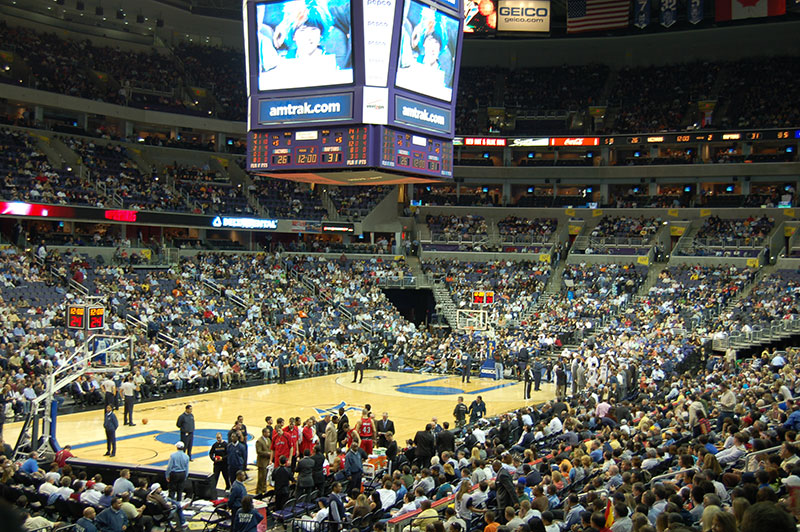
On the subway to watch a basketball game down town, I get a better feel for the “real DC”. The majority of the population of America’s capital is black and in the carriage to see the Washington Wizards take on the Toronto Raptors I am one of the few white faces. There’s not a “preppie” about.

Outside the venue, a man is beating overturned plastic tubs – playing the drums. I drop a dollar in an upturned cap, he says “Yeah man!”, and then go inside where there’s a brilliant atmosphere.

Hot-dogs, chili dogs and pretzels are being munched. Budweisers and Miller Lites are being drained. Cheerleaders leap about. Mini remote-control blimps fly about displaying adverts. T-shirts with slogans that say “honoring our heroes” (in the Iraq war) drop from the sky at half-time on tiny parachutes.

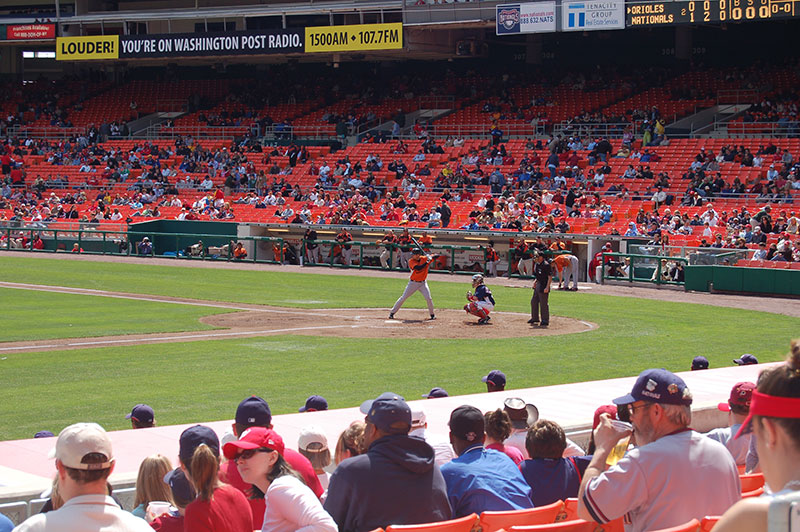
It’s a truly American experience. As is watching the Baltimore Orioles play the Washington Nationals at baseball at RFK Stadium the next day. The Orioles won the World Series in 1983, when I was here, and the Washington Redskins, the local American football team, won the Superbowl in the same year – after playing many games in this stadium. It was a fantastic time to be a young sports fan.

I see signs that remember the old Redskins heroes – John Riggins and Joe Theisman, names I’d almost forgotten – feeling a stab of nostalgia; which I guess is what nostalgia tourism is all about.

I’m reading a crime novel by a local called George Pelecanos, a best-selling author who sets most of his books in DC, during the trip. They give a great flavour of the “street” side to the city – a side that I didn’t know much about at all when I was a kid.

In the early 1980s, DC was known as the “murder capital” of the US, though crime has improved remarkably since, especially in downtown areas where squadrons of “Safety and Maintenance Workers” run patrols that have made the streets safe.

After eating a chili dog at Ben’s Chili Bowl, a famous fast food restaurant popular with the likes of Jesse Jackson and Bill Cosby on U Street – the centre of riots after Martin Luther King was assassinated in 1968, and which features heavily in Pelecanos’s work – I see EPMD play at the 9:30 Club.

I am one of a handful of white faces there. It’s a great act with old lyrics buried in my brain coming out again, and it’s a fantastic venue: a converted theatre that was recently deemed the best place for live acts in the whole of America by Esquire magazine.

Feeling tired on Sunday, I take a traditional tour (of sorts) of the main memorials, the White House and Capitol Hill.

I say “of sorts” as I join a group travelling on Segway scooters. We pass sights that are engrained in my memory, feeling a bit odd on the scooters and marveling at the size of the Washington Monument and the Mall.

Then I stop off at my old high school: Maret. Like Georgetown, it too has gone upmarket since my time. “Standards have improved remarkably since you left,” says Sarah, the “director of alumni programs” – making me laugh.

Kids are playing baseball on the old baseball diamond, there’s the sound of a crack of a bat… and suddenly I’m feeling nostalgic again.

Watching the Washington Wizards

Watching the Washington Wizards

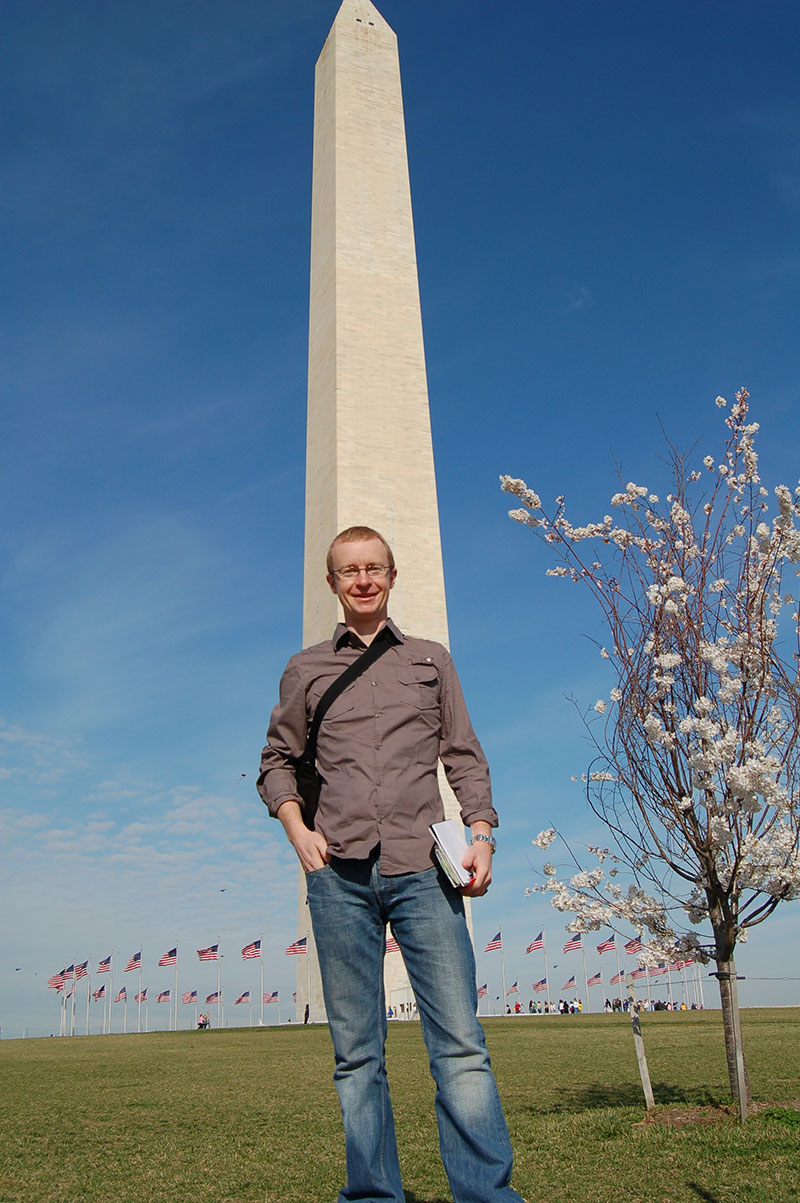
At the Washington Monument

At the Washington Monument

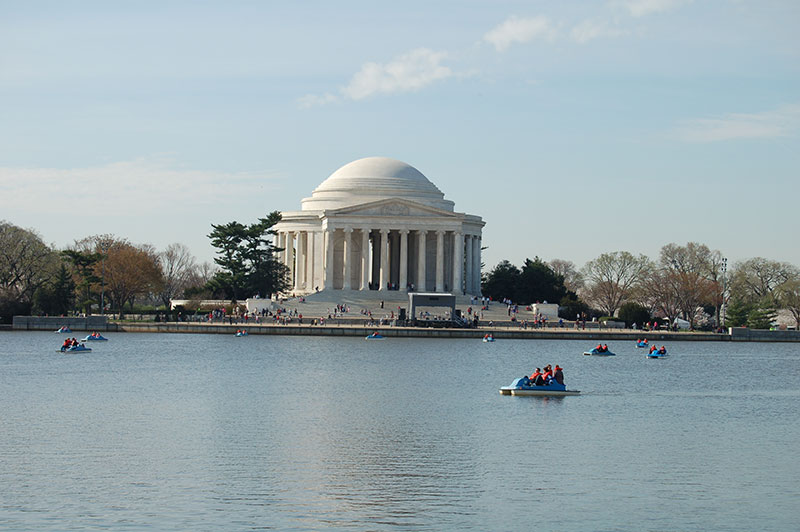
The Jefferson Memorial

The Jefferson Memorial

RFK Stadium

Baltimore Orioles play the Washington Nationals at baseball at RFK Stadium

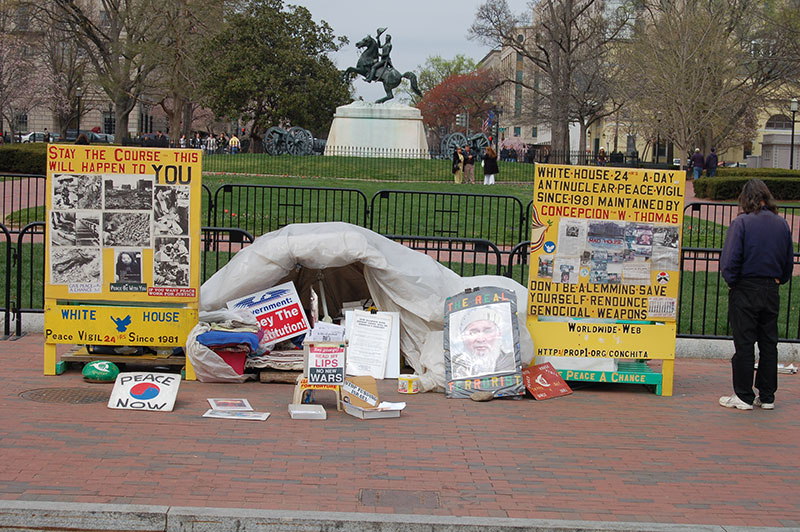
Protesting for peace

Protesting for peace

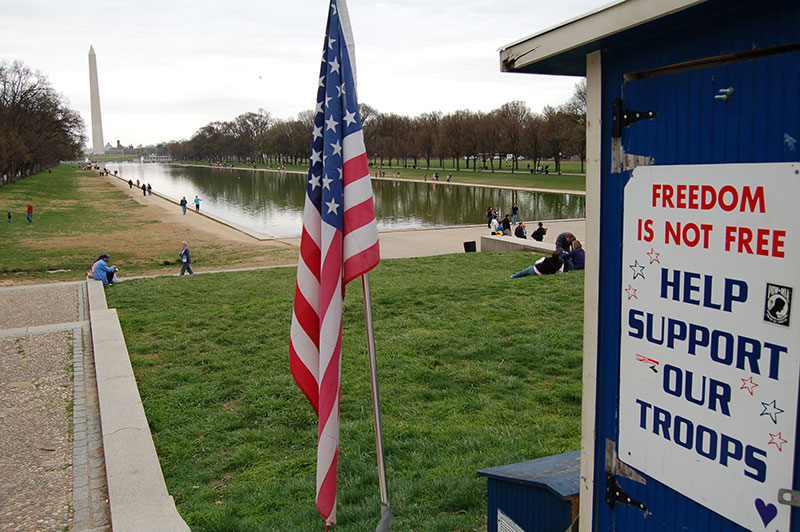
Protesting for soldiers

Protesting for soldiers

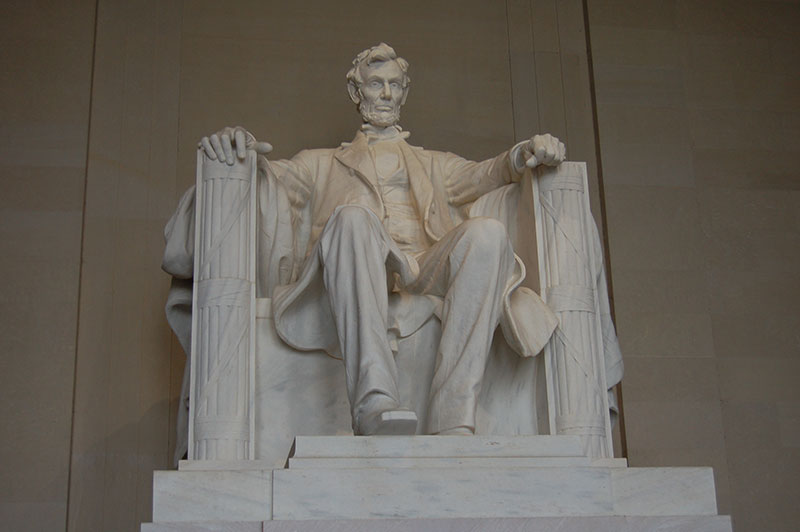
The Lincoln Memorial

The Lincoln Memorial

A DIY safari in Namibia

Namib Naukluft National Park

Namib Naukluft National Park (more pictures at end of the article)

I’ve been on the road through the Namib Desert for two hours after picking up my Land Rover from a depot in Windhoek, the capital of Namibia, and I have not seen another vehicle or even another soul (though I’ve stopped to take pictures of a troop of cute black-faced monkeys sitting on a picket fence).

The landscape seems to stretch for ever under a royal-blue sky. It is arid and hot — incredibly hot, over 40C (104F). The air-conditioning in the Land Rover does not seem to make a huge difference, so I open the windows to let in a rush of air. Soon, I am covered in a thin film of white dust from the road, my hair turning grey. It is totally silent.

Little trees with spiky leaves spread out into the distance, looking like strange alien beings (if you squint your eyes). I am soaked in sweat and have been drinking lots of water from bottles kept cool in a fridge in the boot. I am also, I realise as a couple of ostrich scoot across the road in the heat haze of the horizon, feeling very happy indeed.

Namibia seems to do that to you — and it is its sheer size, vast emptiness and amazing beauty, as well as the sense of exploration you get on a fly-drive, that seems to do the trick.

I am on an eight-day DIY safari, heading for the seaside resort of Swakopmund after crossing the desert, then camping in the desert, before heading to a lodge to see the spectacular rose-red sand dunes of the Namib Naukluft National Park, which is twice the size of Switzerland — everything in Namibia is huge. I end up driving 855 miles (1,375km) in a week.

The journey to the old German colonial town of Swakopmund — which features in a remake of the 1960s cult spy fiction series The Prisoner (originally shot in Portmeirion, North Wales, and shown on ITV next Saturday) — takes six hours. It leads through ochre canyons, pink-rocked gorges and wide-open, dusty planes that spread out into the distance for ever. The sheer vastness of the scenery is hard to take in. It is so big you wonder whether the gravel road will ever end.

I pass rusting colonial buildings (abandoned farms), a cowboy (the first human being I see) with an enormous herd of white goats, big caramel coloured cattle, and lots and lots of sand. After a while, a pick-up truck passes in the opposite direction — the driver nods and waves, as I soon find everyone does (isolation makes people friendly). I drive through his trail of dust. Namibia is definitely the dustiest place I have visited, as well as one of the most scarcely populated. There are 2.1 million people, which works out at 2.2 people per square kilometre.

Within a few hours of my holiday, I already realise that this is going to be a trip of a lifetime. And then I come to Swakopmund. Mine is the only car being driven along wide sandy avenues flanked by pastel buildings. It feels almost psychedelic and otherworldly. After passing a restaurant located inside an old tug boat, painted rusty red, peach and apple green and elevated on top of a building, I find my hotel, The Stiltz.

I am on Namibia’s Skeleton Coast, so named as it is extremely arid and was considered a place to avoid by early explorers — and I am staying in a pod-like building perched on telephone poles. It has terrific views of dunes that ripple for hundreds of miles to the south. I park the Land Rover, drop off my bag and explore the town by foot, soon finding Sam Nujoma Avenue, the main street. Namibia, which gained independence from South Africa 20 years ago, is mostly a safe country, though it’s best not to walk about much at night.

Sam Nujoma is a blaze of pinks, oranges and yellows, with a building on a corner with a mini minaret in green, yellow and red. It is colourful and cheerful, with a laid-back feel and nice cafes to chill out in. “Caffeine isn’t a drug, it’s a vitamin,” says the motto at one, where I read a copy of The Namibian newspaper, which tells me that a contingent of South Koreans is visiting the country to buy uranium to use in nuclear power stations (uranium mining is big business). And there are people! Quite a few of them, tourists and locals aplenty; the population is about 36,000, though where they all are half the time, I don’t know.

Inside the tourist information office, Brigitte, the attendant, tells me she hopes that the new filming of The Prisoner will attract more visitors. “We want to put Namibia on the international map,” she declares. Then she says that there has been an influx of visitors recently after Brad Pitt and Angelina Jolie visited in 2006, when Jolie gave birth to their baby Shiloh at a private clinic.

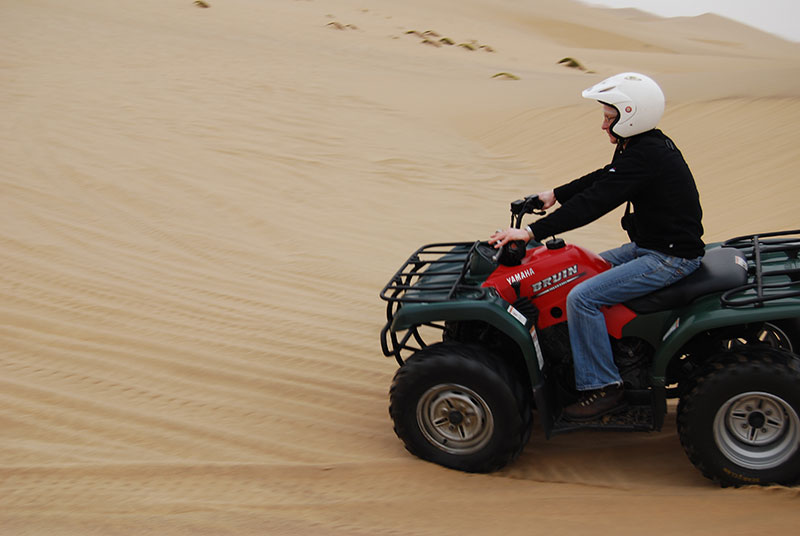
Next day I visit the dunes that I can see from my hotel. The best way is a quad-bike tour, and on mine I am amazed at how far we go. My guide, Michael, points at a jackal and shows me sidewinder snake tracks. Up in the dunes, which formed five million years ago and stretch 1,240 miles from South Africa through Namibia to Angola, it feels like a different world. The sands seem to slither onwards in an eternity of curves. It is a surreal spot.

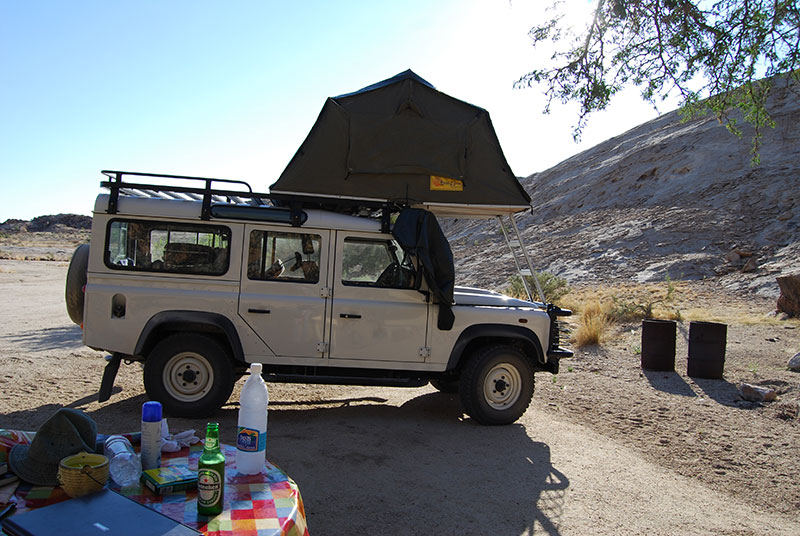
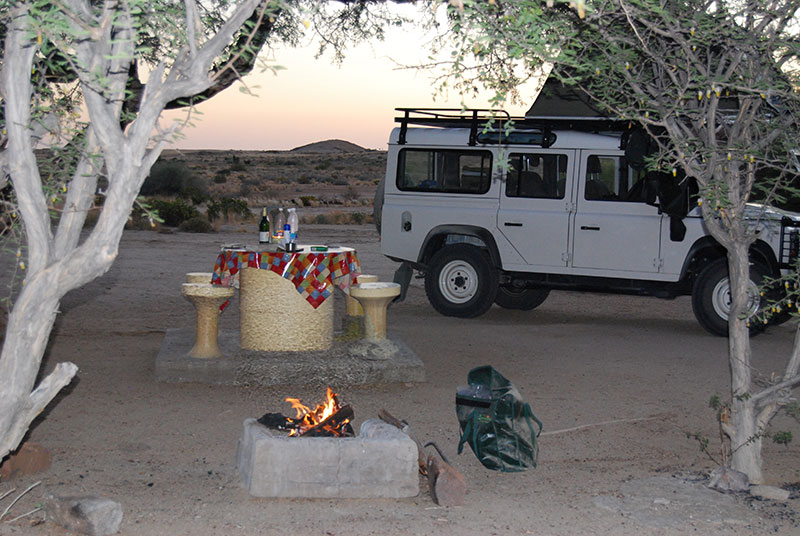
Then I head for a night at a campsite in middle of the Namib Desert. There are no employees and no other campers, just a few guinea fowl that take to following me around. I light a fire, cook some sausages, open a bottle of white wine, and read Wolf Hall under the brilliant stars of the Milky Way, feeling as if the world (at least this part of it) belongs to me. It is a place for contemplation, especially if travelling alone, like me. I fall asleep in the neat tent that is attached to the Land Rover’s roof, and wake to a cool, amazingly quiet dawn.

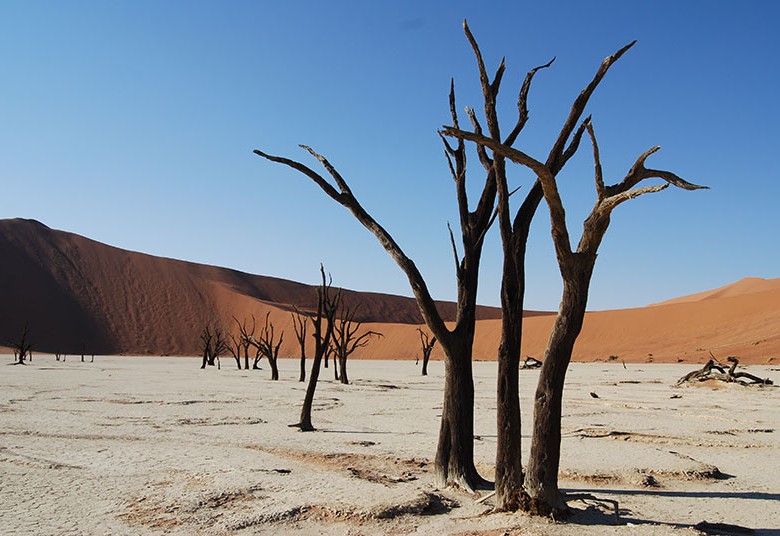
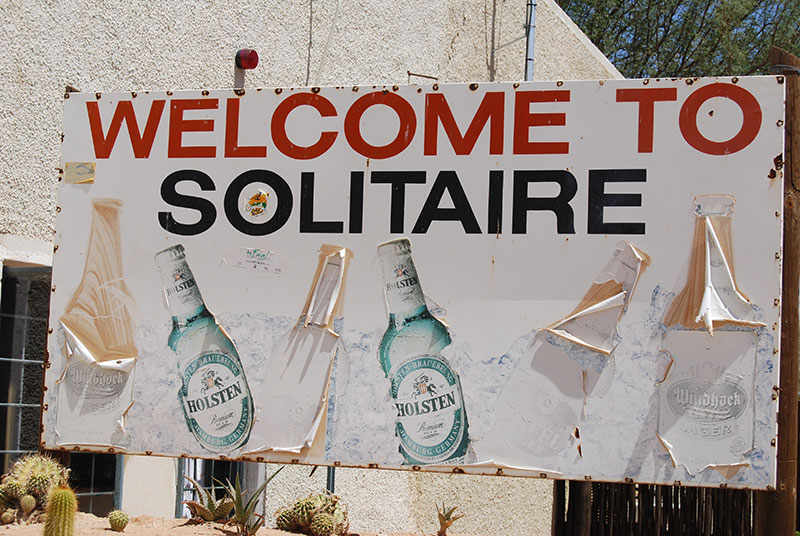
I drive onwards for many dusty miles, stopping for fuel in the petrol station town of Solitaire. There I eat a slice of delicious apple pie and drink a coffee under an acacia tree before reaching the remote Kulala Desert Lodge, which overlooks a dry river bed. The next morning I am taken to the Namib Naukluft National Park. After climbing a 130m (426ft) dune at dawn (spectacular), I visit a dried out lake with a shiny white surface and the skeletal remains of 600-year-old trees, all framed by a huge red dune, nicknamed Big Daddy.

This is truly something out of Salvador Dalí; Nature’s own version. Namibia is, I can say with certainty, one of the most unusual and stunning places I have visited. And the way to go is to take to the roads yourself.

Getting there

Safari Drive (01488 71140, www.safaridrive.com) offers 12-night trips, six camping and six nights in lodges, driving a Land Rover from £2,090pp. Or three nights in lodges and ten camping from £1,460pp. Both prices exclude flights, which are about £800pp, but include a seal and dolphin-watching boat trip, and quad-biking in the dunes. Accommodation in Swakopmund is at The Stiltz, and the Kulala Desert Lodge in Namib Naukluft National Park.

Driving tips

Take lots of water

Have back-up cash for remote petrol stations that may not accept cards. Do not speed — bumps can cause vehicles to overturn.

Keep lights on in dusty areas so you remain visible to other vehicles

Reading

Namibia Handbook by Lizzie Williams (Footprint, £14.99) — thorough, with a good section on Swakopmund and clear maps

Further information

The Namibian Tourism Board (namibiatourism.com.na)

TV series

The Prisoner begins on ITV at 9pm, from April 17 and will run for six weeks

The Prisoner’s remake gets an African flavour

After climbing dramatic dunes and finding himself in a town that looks as if it belongs in a psychedelic dream — multicoloured houses, giant avenues and odd bubble-style taxis — the main character in a new version of The Prisoner, the 1960s cult television series, out next week, looks haunted. “I don’t know how I got here,” he declares, as he looks around The Village, where he is trapped in a strange society where everyone is known by their number.

Although you think this must be a film set, Jim Caviezel, who plays a secret agent named Number Six, is on the run in the real-life Namibian coastal town of Swakopmund — a far cry from the original setting in the quirky resort of Portmeirion in North Wales.

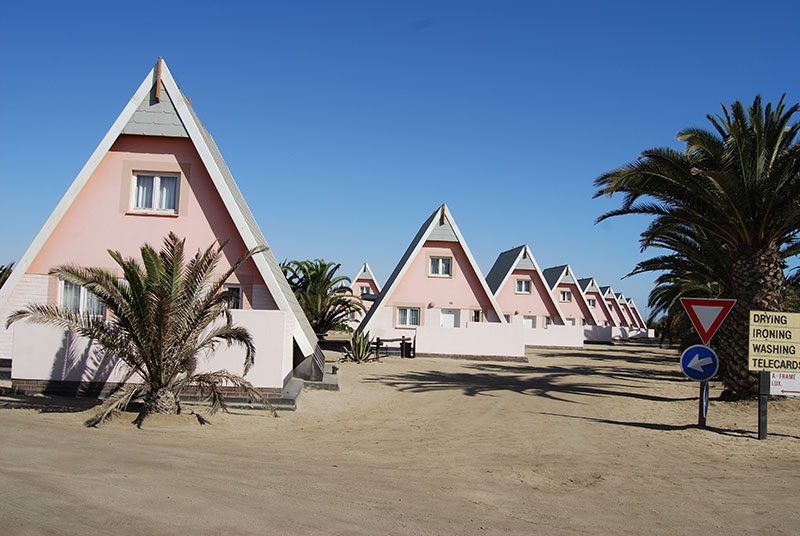
You can recognise much of the town after seeing the programme. Near my hotel there are the peculiar, pink A-shaped houses that Number Six calls home. There are 50 of them and they make a strange sight. They are surrounded by bushes spouting purple flowers and there was not a soul in sight as I wandered about.

In the background, there were terrific views of the dunes that Number Six finds himself crossing while trying to work out what he is doing there and following the instructions of the odd community’s leader, played by Sir Ian McKellen. Walking up a hill to the centre of town, I passed many of the multicoloured houses that the first German settlers built (with elaborate stucco flourishes and long iron balustrade balconies), and which also act as a backdrop to many of the TV shots.

At the top, I came to the ornate, yellow Swakopmund Hotel, which figures large in the new, six-part series. This has a lovely courtyard with a pool, and I learnt from a receptionist that the main building was once the town’s railway station.

Further along, down by a beach, there were rows of multicoloured public benches and palm trees with arts and crafts stalls spread out in the shade. This section features frequently in the new TV show, and it is where Number Six often goes to a caf? to ponder his fate.

The programme-makers definitely picked the right location for the strange series: Swakopmund is delightfully odd.

First published in The Times, April 10 2010

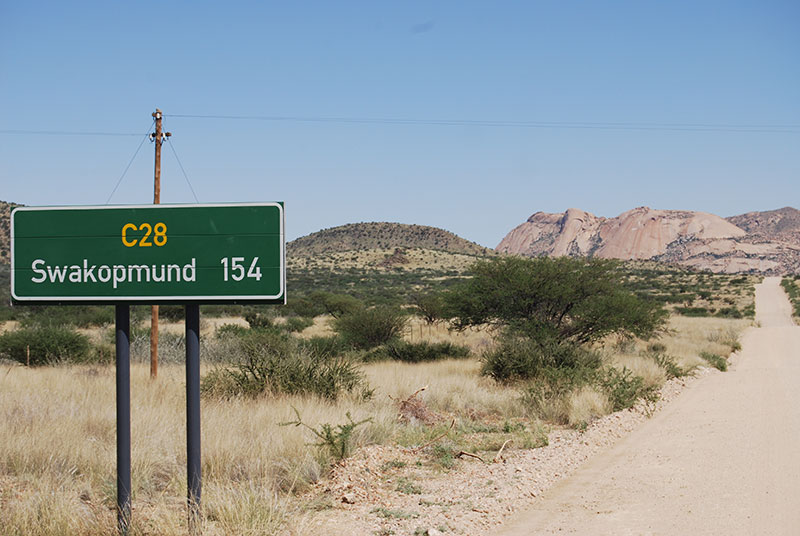
On the dusty road

On the dusty road

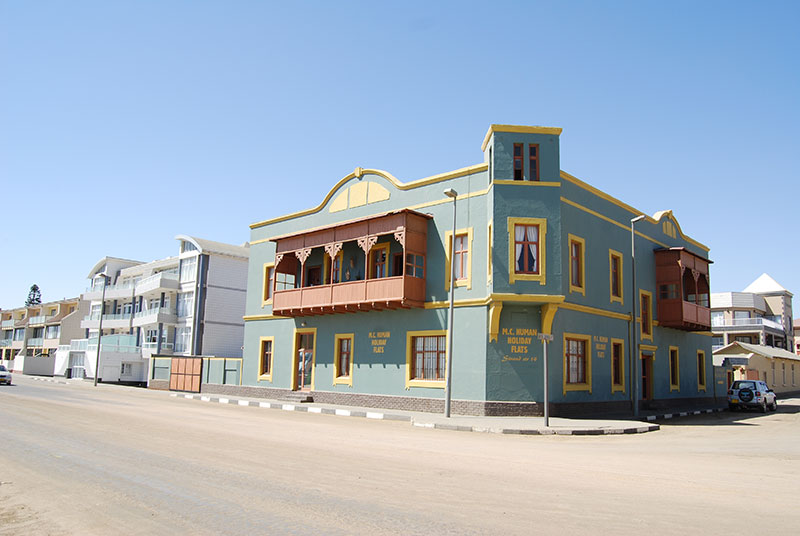
Swakopmund

Swakopmund’s German colonial era architecture

Unusual holiday camp in Swakopmund

Unusual holiday camp in Swakopmund

Dune riding near Swakopmund

Dune riding near Swakopmund

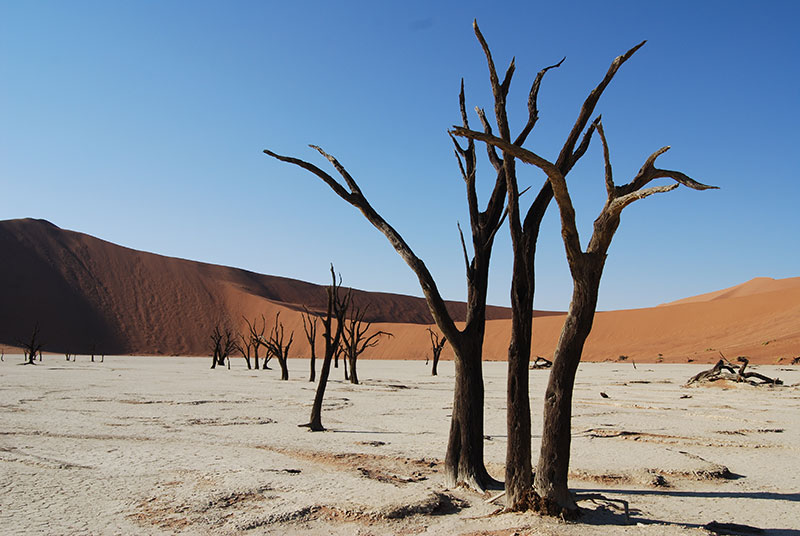
Namib Naukluft National Park dune

Land Rover with tent on roof up in Namib Desert

Campsite in Namib Desert

Campsite in Namib Desert

Campsite in Namib Desert

Campsite in Namib Desert

Town of Solitaire

Town of Solitaire

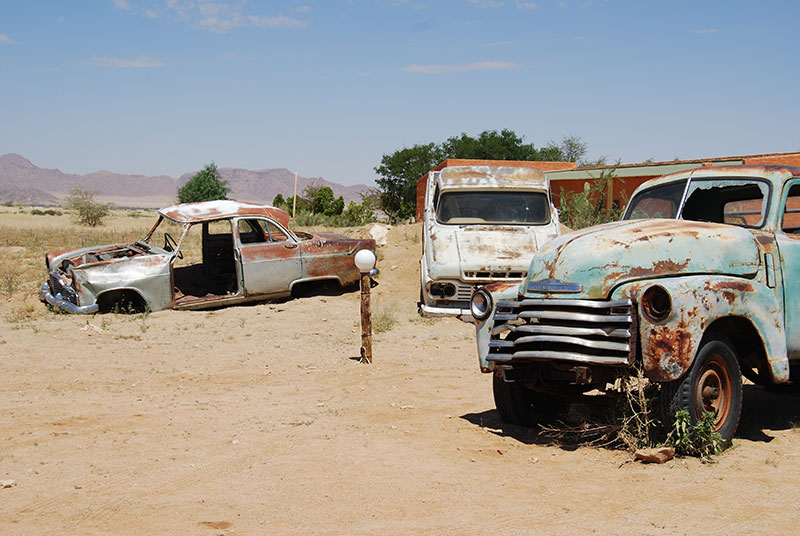
Cars in Solitaire

Cars in Solitaire

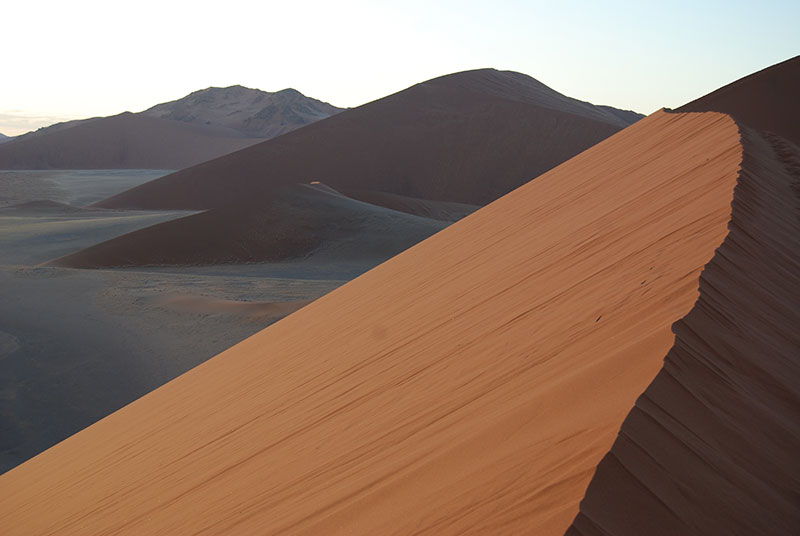
Namib Naukluft National Park dune

The Namib Naukluft National Park with its 130m (426ft) dune at dawn

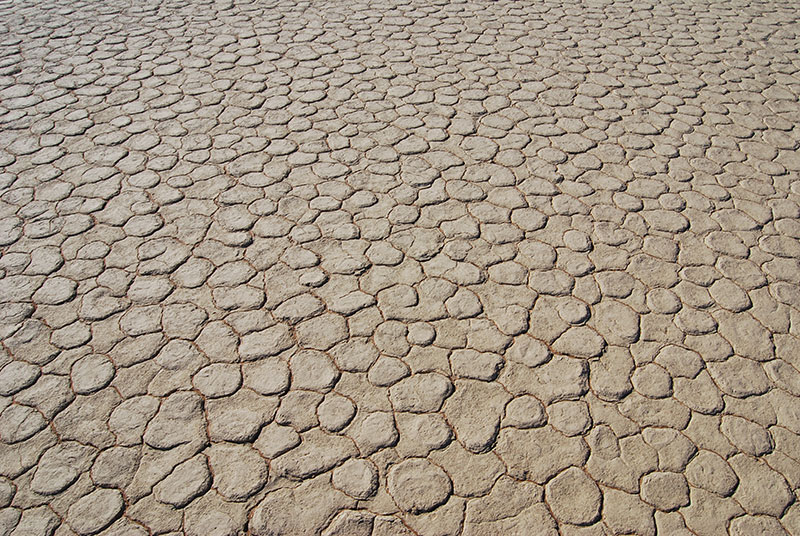
Parched landscape

Parched landscape at dried out lake

A little bit of France in the Indian Ocean

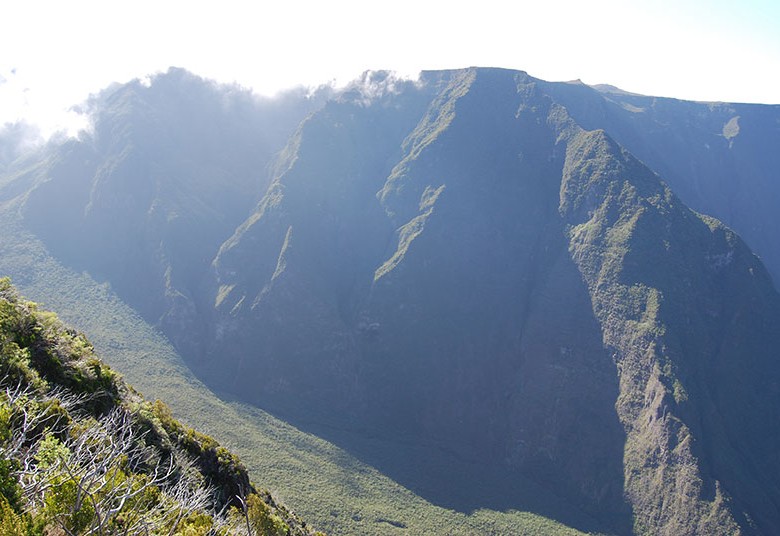
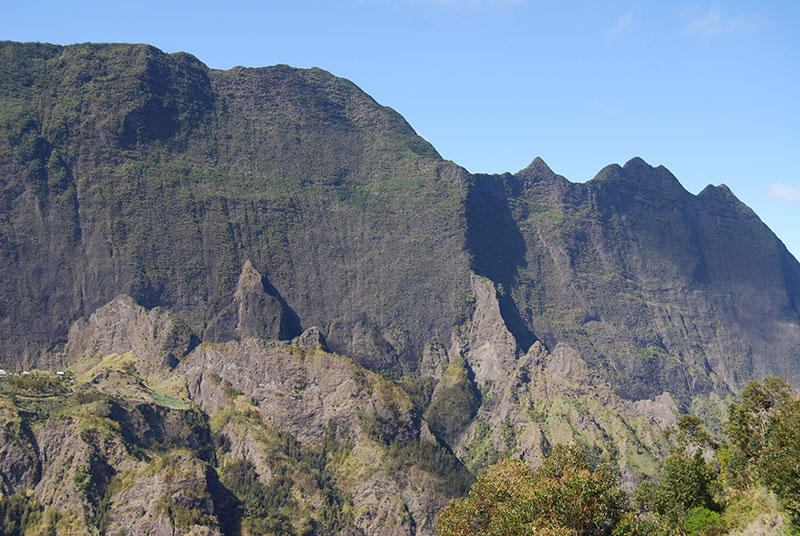
Cirque de Cilaos

Dramatic scenery at Cirque de Cilaos (more pictures at end of article)

A traveller’s tip for visitors to La Réunion: do not wear sunglasses or leave off your headlights when driving through single-lane tunnels high in its volcanic mountains.

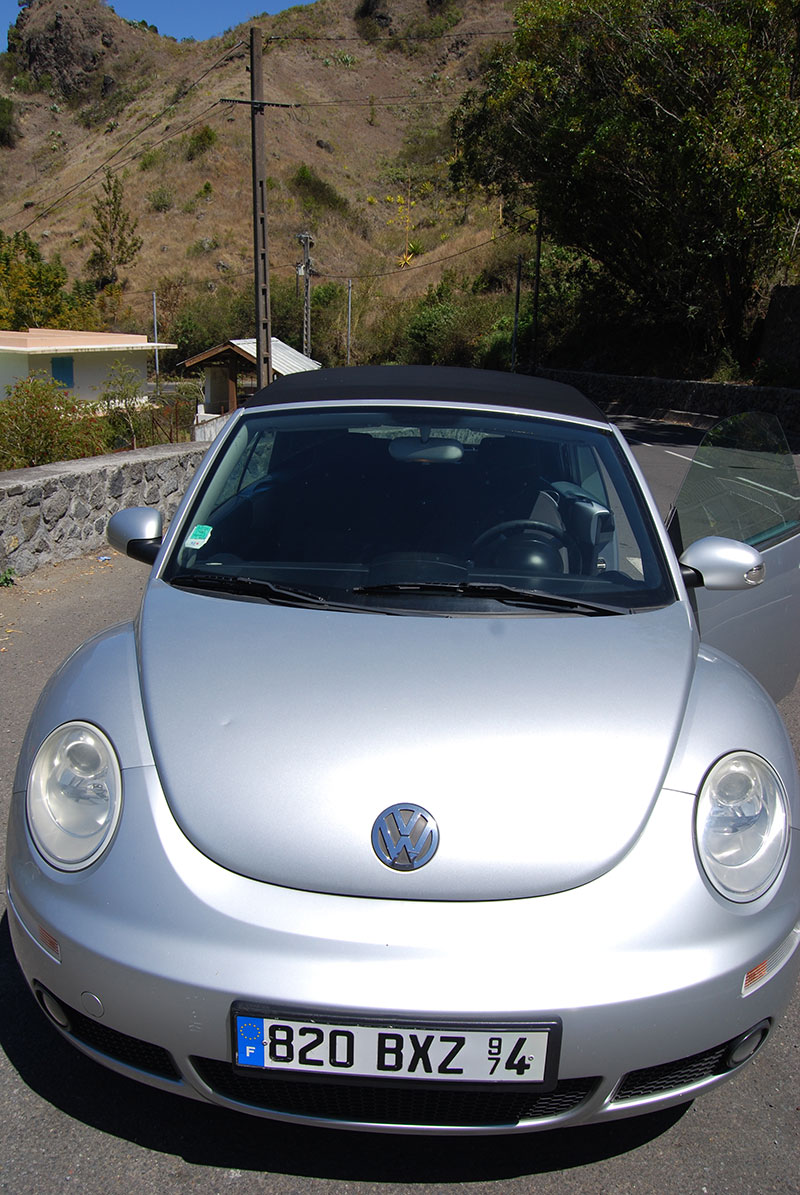
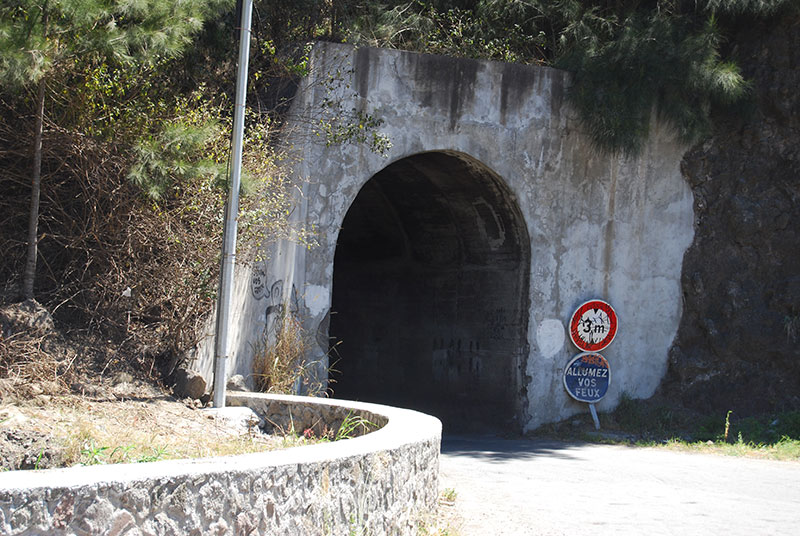
It’s not a good idea, as I learnt on the second day of my visit to this beautiful French-owned island, about 500 miles off Madagascar’s east coast in the Indian Ocean. I was enjoying the dramatic mountain scenery while concentrating on the 400-plus hairpin turns on one of the world’s twistiest roads when I casually ignored a sign saying “Allumez vos feux” (turn on your lights).

Not noticing the tunnel entrance ahead, I suddenly found myself creeping along a long dark corridor, unable to find the switch for my headlights after hastily whipping off my prescription sunglasses.

Peering through the darkness, I made nerve-rackingly slow progress towards the light at the end until, finally, I was out safely and continuing on my way to Cirque de Cilaos, the giant crater of an extinct volcano with a peaceful little town in its centre (more of which later).

A fly-drive week in La Réunion was an adventure I’ll never forget — leaving a series of vivid images that makes this French département, technically part of the EU, a refreshing alternative to other Indian Ocean islands such as Mauritius, the Seychelles and the Maldives, with all their bland beach-resort hotels.

Even driving from the airport to the capital, St-Denis, along an ocean road, brought a surprise. Suddenly almost every car pulled to the kerb, passengers leaping out. I did the same. And there, not much more than a stone’s throw from the shore, a glorious humpback whale leapt out of the sea, looking momentarily like a stone column, before crashing back into the water. The crowd of mainly locals stood entranced, taking snaps with mobile phones.

After my humpback experience, I soon found myself in vibrant St-Denis, which has a population of 130,000 (from a total of 827,000) and a very laid-back melting pot of cultures: French, Indian, Tamil, African and Chinese.

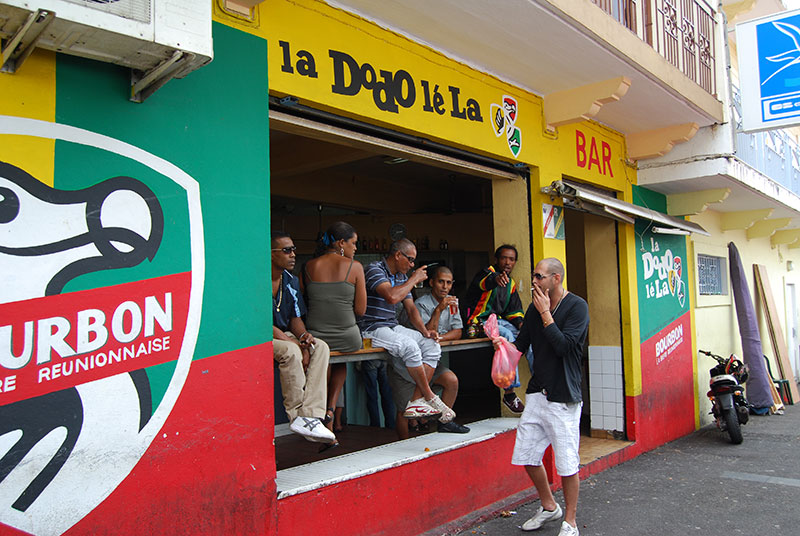
In a grid of colourful streets, with buildings painted in bright yellows, greens and reds, men in white robes strolled down rue du Maréchal Leclerc towards the mosque which, almost unbelievably, was in a tall building that had shops selling miniskirts and high-heeled shoes at its base.

Guys in Lacoste tracksuits and baseball caps lolled on corners by stalls selling fresh orange juice. Young women tottered past in tight jeans and miniskirts, heading towards a covered market stacked with great piles of tangerines, tomatoes, lettuce and sweet peppers, and metal cages full of ducks and chickens. One chicken was squashing itself against the metal. “Eh! Eh!” the woman selling them cried comically, beating the cage with a broom.

Farther on I passed old colonial buildings with ornate stuccoed gables; some dating back centuries. France took possession of the island in 1642, initially naming it Île Bourbon after the royal house. This was changed to La Réunion after the Revolution, to commemorate the union of Marseilles revolutionaries with the National Guard in Paris.

St-Denis is a vibrant, happy city, a good first port of call before a visitor heads on to Boucan Canot, an hour south. This beach resort is unlike any I have visited. It is described locally as the “other French Riviera”. Glamorous women and local playboys — posing, but not haughtily as on mainland France — mixed with families having picnics and the mainly French tourists; hardly any Brits visit the island. The beach is short with rough sand and a handful of cafés, bars and restaurants.

It was here, at the Bambou Bar, that I first tried cari, the local creole dish. Cari is wonderful and, for €14 (it was odd paying in euros so far south), I was tucking into a huge curry-like tuna dish, with white rice in a separate bowl, and other little bowls filled with rougail (a hot sauce with sliced carrot and tomato), pumpkin stew, lentils in a green sauce, red beans in gravy and finely chopped boiled cabbage with ginger. You can also have chicken versions; equally delicious, as I later found.

Well fed, I headed onwards to discover the “cirques”. There are three main “cirques ” in La Réunion, extinct volcanoes that were once the favourite hideaways for runaway slaves: Cirque de Cilaos, Cirque de Salazie and Cirque de Mafate.

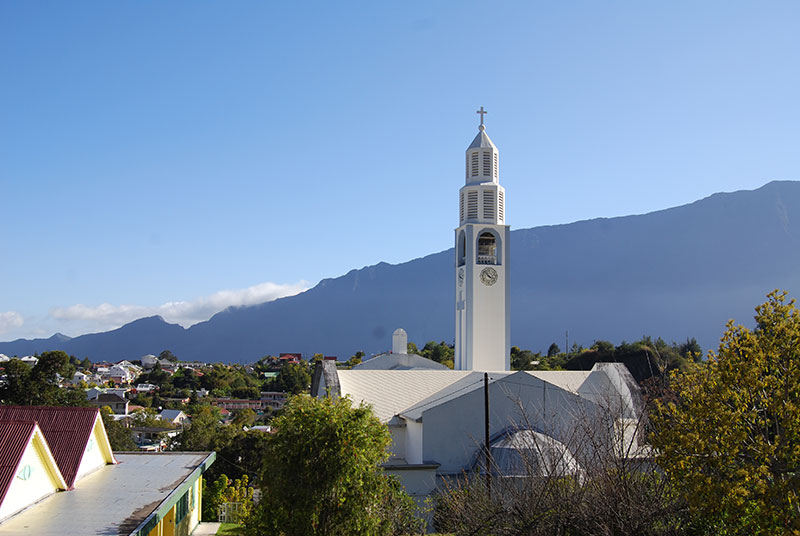
The sleepy town of Cilaos is about 1,200m above sea level and is surrounded by jagged mountains with peaks soaring as high as 3,070m. It is a favourite place for hikers and I set off from behind its elegant white church, following steep boulder-strewn tracks surrounded by thick vegetation.

This led me, after an hour, up to La Roche Merveilleuse, a viewing point on a huge rock. And what a view: the caldera of the volcano spreading for miles around, clad in emerald foliage against a cobalt blue sky. The tiny settlement below looked toy-like on its hilly slopes amid the dramatic peaks. For a moment or so it felt as though I was visiting a living Machu Picchu. I also went on hikes in Salazie and Mafate, both captivating as well, especially Mafate, with its hairy walkway at the top of a cliff, but Cilaos was best (even if the drive up was so tricky).

The highlight of La Réunion was still to come. After an overnight stay in the lively coastal town of St Pierre, where the steep sloping streets reminded me of San Francisco, I had another long, twisty drive to Piton de la Fournaise — one of the world’s most active volcanoes. It’s also a tourist attraction.

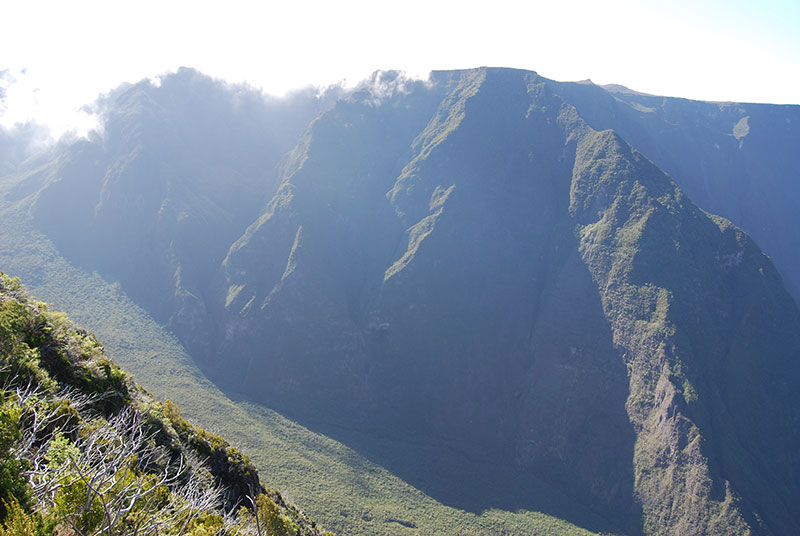
The scenery on the way up turned from lush green hills dotted with brown cattle to vast glacial canyons — moon-like surfaces where only the hardiest plants survive — and dusty plains filled with red and black volcanic ash. Clouds swept over peaks and across the road in fast-moving swirls. And at the top, at 2,360m, I stood at the edge of the cloud-white crater, imagining the fiery world below. It was as though I had reached the edge of the Earth — no matter that I couldn’t see smoke or flames below, though luckier visitors often do (and it’s all perfectly safe).

In a week on the island I travelled 500km, finally ending up back at the airport after visiting the sugar cane plantations and black-rock beaches of the east coast. Forget the Maldives; forget Mauritius. This is the Indian Ocean island with real character, excitement … and a lot of very bendy roads.

How to do La Réunion

Where to stay
La Réunion is not a haven of five-star international hotel chains of the Four Seasons, Aman, or Shangri-La variety. However, there are decent three and four-star properties, all featured by Rainbow Tours (020-7226 1004, rainbowtours.co.uk). Among the best are:

Hotel Bellepierre (hotel-bellepierre.com, doubles from €144 a night) on a hill overlooking St-Denis, with neat rooms and terrific views across the colonial rooftops and the Indian Ocean.
Hotel Boucan Canot (boucancanot.com, from €200) has a stunning position, right by the sea in Boucan Canot, plus charming rooms and a decent pool.
Hotel Saint Alexis (en.hotelsaintalexis.com, from €160), is at one end of the beach at Boucan Canot, with a huge pool, stylish rooms and a calm atmosphere.
Villa Belle (villabelle.e-monsite.com, from €175) is a boutique B&B with very cool suites in St Pierre — plus a great pool in its lush gardens.
The Diana Dea Lodge & Spa (diana-dea-lodge.re, from €87) is the most chic new hotel on the island, tucked away on a hill overlooking St Anne on the east coast; the island’s best bargain.
Grand Hôtel du Lagon (020-7348 4880, naiade.com, from €245) is the biggest hotel on La Réunion with a huge pool, designer rooms and a good creole restaurant in St Gilles les Baines on the west coast.

Where to eat
There are great seafood restaurants as well as places serving cari, the local dish.

Le Cap Méchant d’Abord (00262 917199, ville-saintpierre.fr) on Boulevard Hubert Delisle on the waterfront in St Pierre is particularly good for creole dishes with a wide selection of French wines.
Le Bambou Bar (lebamboubar.com), in the heart of the promenade in Boucan Canot, is great for caris.

Meals in both restaurants came to about €25 for a starter, main dish and wine. In St-Denis, there are all sorts of stalls selling fried chicken and sandwiches filled with a sloppy pork and sweet pepper stew — very tasty and about €5. Across the island there are also European-style supermarkets (including a Carrefour) and grocery shops. Prices are reasonable. A decent bottle of wine from a supermarket costs about €6.

When to go
The peak season is October to December, when many French visit, but you can go at any time. The summer season is December to March (average temperature 26C), the winter is April to November (average 20C). The sea temperature is a stable 23C all year round. It can get cold in the cirques and at the top of the volcano, so take warm clothing; hiking boots are recommended.

Health
I was bitten once by mosquitoes during my stay in St Pierre. I didn’t see any other mosquitoes, but it is best to take a spray. Anti-malarial tablets are not required. In 2005 and 2006 La Réunion was struck by a mosquito-spread disease called chikungunya; it has been eradicated.

More information
Ile de La Réunion Tourisme (reunion.fr); Mauritius, Reunion and Seychelles (Lonely Planet, £16.99).

Need to know

Getting there
Tom Chesshyre was a guest of Rainbow Tours (020-7226 1004, rainbowtours.co.uk), which offers an eight-night trip from £2,350pp with a night in St-Denis, three nights in Boucan Canot, one night in Cilaos, one in St Pierre, one in La Plaine des Palmistes (close to the volcano), and one in St Anne on the east coast. International flights and car hire are included. Air France (0871 6633777, airfrance.co.uk) has returns from London to La Réunion from £958.

First published in The Times, October 25 2013

My hire car in La Reunion

My hire car in La Reunion

Typical view from the roadside

Typical view from the roadside

Bar in St-Denis

Bar in St-Denis

Beach at Boucan Canot

Beach at Boucan Canot

Tunnels to watch out for

One of the tunnels to watch out for on a driving trip

Church at Cirque de Cilaos

Church at Cirque de Cilaos

Take the dusty road to the heart of Africa’s spice island

Matemwe

Driving through countryside close to Matemwe (more pictures at the end of the article)

Somewhere near the turning to Stone Town in Tunguu, on a stretch of dusty road surrounded by tropical forest in the centre of Zanzibar, a policeman in a white uniform raised his hand to ask us to halt. He had spotted us from afar and we had seen him spring from where he had been leaning in the shade. He looked grave, as though we had done something very wrong.

I pulled over. He sternly gestured for me to move over even farther. I drove our Suzuki Jeep on to the dirt verge. Then he went to the passenger window and stuck his head inside.

He asked to see my international driver’s permit (which all visitors must have when driving in Tanzania; available for £5.50 from post offices in the UK). I showed him this and he held the document thoughtfully, examining the grey cardboard cover almost ruefully. He then leaned farther into the car.

“Not stop there! Not stop! Fee! Fees and bail of the Government of Zanzibar!” he said.

“But you asked us to stop,” I replied.

“The Government of Zanzibar!” he answered. “Fees and bail!” Then he put his hand in a pocket and pulled out a ragged scrap of paper, on which there was small smeared print and a Biro figure indicating 50,000 shillings (about £22).

We had been warned about police road stops when we collected our hire car at the airport, and had been told to hold our nerve on such occasions. This advice had been relayed by a slightly nervous-looking rental company rep. Not many tourists hire cars in Zanzibar; we didn’t see another tourist driving about during a week on the 35 mile-long, 12 mile-wide island.

We did hold our nerve, and the officer eventually (after quite a stand-off) took back his scrappy paper and waved us on. We had passed one of the big tests of a fly-drive in Zanzibar: don’t hand out shillings to shifty policemen on remote roads.

Our regular police stops almost became part of the fun of the trip. What would be the character of the officer ahead? Stern, snappy and bullying like our friend near Tunguu, or charming and smiley like many others who simply appeared curious to talk to passers-by from foreign lands. Often we were just waved through without stopping. Other times we would see officers asleep in the shade of a mango tree.

Driving yourself on a break in Zanzibar is a wonderful way to see an island with a rich history that makes other Indian Ocean islands seem dull by comparison. We stayed at three hotels (two nights in each), travelling by car in between and exploring places that the majority of visitors do not see: we know this because we saw them lying by the pools each day.

From our first hotel — the splendid Kasha Boutique, with villas with plunge pools on the northeast coast of the island — we drove one morning to investigate Stone Town. After negotiating a bumpy dirt track and the sleepy fishing village of Matemwe, where tiny children waved and gave us the thumbs up (often looking as though they were thinking: “Who are these mad people in the car?”), we passed along roads with cattle, chickens and goats, as well as carts pulled by oxen and locals precariously transporting the long mangrove branches for contructing buildings.

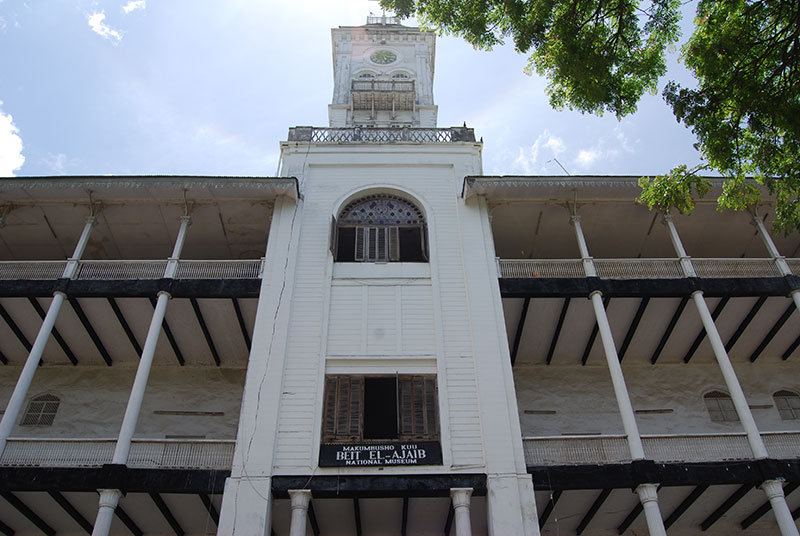
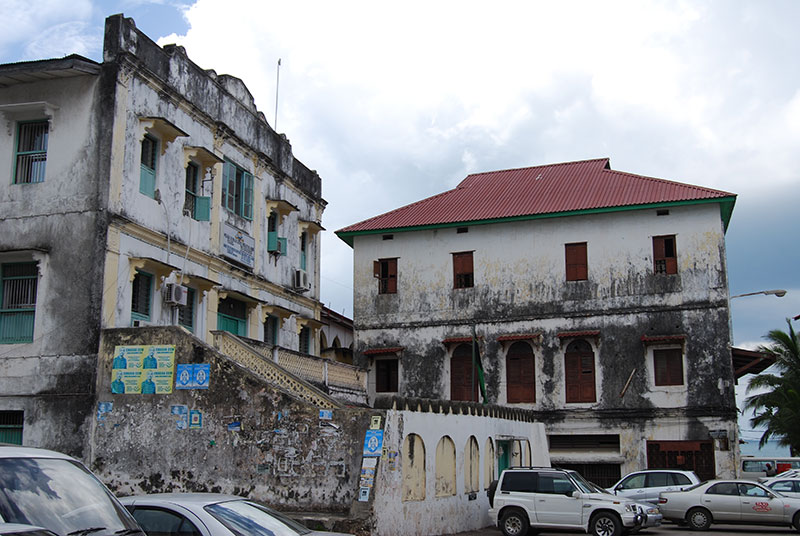
It was hot and increasingly chaotic as we arrived at Zanzibar’s capital, with thousands of people milling about at streetside stalls selling bright, neatly stacked piles of mangos, watermelons, limes and sweet potatoes, as well as great bundles of colourful clothes. Past several mosques (the island is Islamic, while mainland Tanzania has a large Christian population) and the entrance to the port, we drew up in front of the fabulous House of Wonders, next to a little park overlooking the coast of Africa, about 25 miles to the west.

The House of Wonders lived up to its name. Built by Sultan Barghash in 1883, at a time when Stone Town was the headquarters of the Imamate of Oman that ruled much of East Africa, the name comes from its use of electricity and lights that illuminated a building on the island for the first time. It is an extraordinary structure, with huge metal columns, vast balconies and a tall, thin clocktower; looking a little like an antebellum home from the Deep South of the United States, except with its dimensions almost comically exaggerated.

Inside, we learnt about the days when Zanzibar was a famous stop for explorers about to head into deepest Africa; Burton and Speke (in 1856), Livingstone (1866, on his last journey; he returned in a coffin in 1874), and Stanley (in 1872, when he arrived to a hero’s welcome after hunting down Livingstone). We also found out about the years of the British protectorate from 1890 until Zanzibar gained independence in 1963. Interestingly, the pop star Freddie Mercury, whose father worked for the British as a civil servant, was born and lived on the island until he was sent to boarding school. Perhaps he was thinking of the roads of his homeland in later years whenever he sang Another One Bites the Dust.

After examining the relics in the old Sultan’s Palace next door, we ordered coffees at a pretty café named Archipelago, overlooking the water. The is close to the Africa House Hotel, where Livingstone is said to have stayed. We wander about the hot streets, popping into the handful of souvenir stores selling wooden masks and bags of spices (the island is famous for its cloves), with only a few other tourists walking about. They had all come with guides, but we were free to explore on our own. And each day we did. On one afternoon, we visited the tiny, curious village of Nungwi on the northern tip of the island, entering its famous “supermarket” — which sold a handful of sodas, canned foods and toiletries. This was as close as Zanzibar got to a super-market as we know it on the whole island. The coastline here was particularly stunning, with its white sand beaches and coral reefs.

On another we stopped amid the lush green of the tall mahogany trees of Jozani National Park, where we searched in vain for the endangered endemic colobus monkeys. We took in the ruins of the first mosque built (in 1107) on the east coast of Africa, northwest of a quiet fishing village called Kizimkazi — a splendid, laid-back place where fishermen were mending nets and carving new boats in the shade of trees down by the beach.

We revisited Stone Town and ventured into the warren of the old slave market and a fruit market that seemed to go on for ever, teeming with pineapples, bananas, passion fruit and piles of cashew nuts, another big local crop.

It was a week of exploration, dodging traffic officers, getting lost (the signs on the island are appalling) and smarting at the stark contrast between the world of luxury hotels and the hard realities of life for many in East Africa. The average annual income in Zanzibar is about £160; rooms at most of the top hotels are much more than that a night.

But going by car was a great way to see what we found to be one of the most interesting spots in Africa. With an international driver’s permit, a smile for the policemen and an eye for goats darting across the road in front of you, it is easy, and enjoyable, to go on a fly-drive on Tanzania’s lovely spice island.

Need to know

W&O Travel Rainbow Tours (020-7226 1004, rainbowtours.co.uk) has seven-night breaks with three nights at Kasha (half board), two at Baraza (full board and all drinks) and two at Palms (full board and all drinks) from £2,175pp, based on two sharing, flights and transfers included. A hire car costs from £260 extra a week.

Kasha (kasha-zanzibar.com) consists of luxurious new villas overlooking a sand beach and a coral reef, while Baraza (baraza-zanzibar.com) is a new hotel with five-star rooms with an Arabian theme; the Palms (palms-zanzibar.com) is a hideaway of six huge villas with private plunge pools.

Alternatively, seven nights’ half-board at the Breeze Beach Club & Spa, a relaxed family-friendly resort, is from £1,190pp, with flights and transfers included.

First published in The Times, February 19 2011

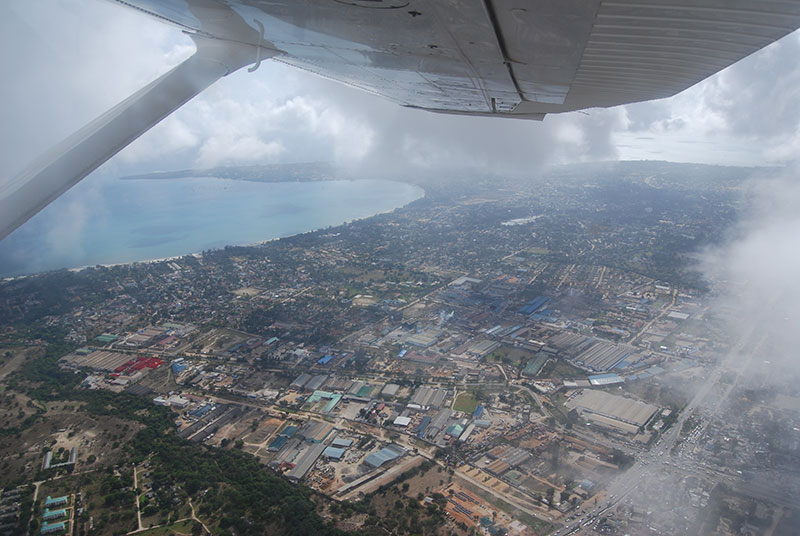
On approach to Zanzibar

View from propeller plane on approach to Zanzibar

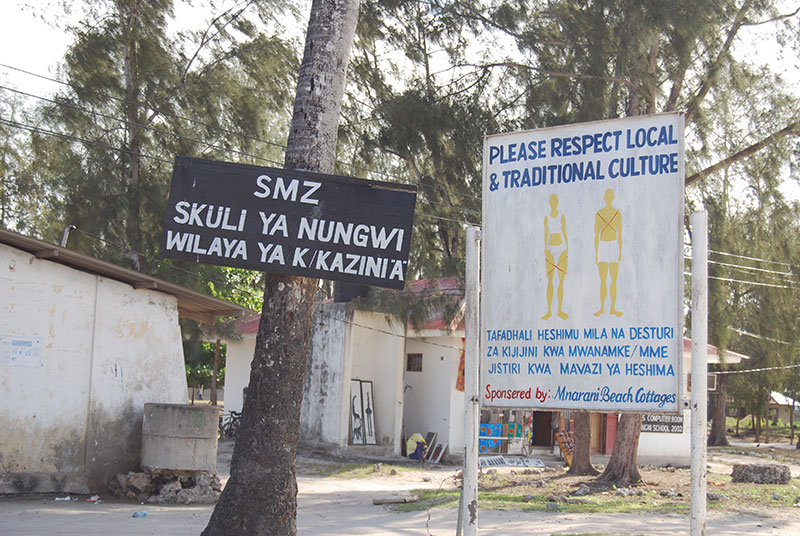
Sign in out of the way village

Sign in out of the way village

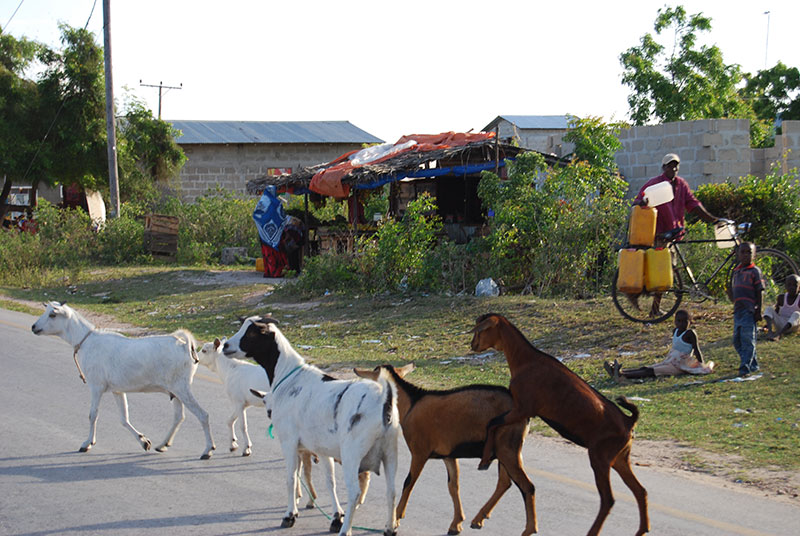
Goats crossing road


Goats cross road in unusual manner

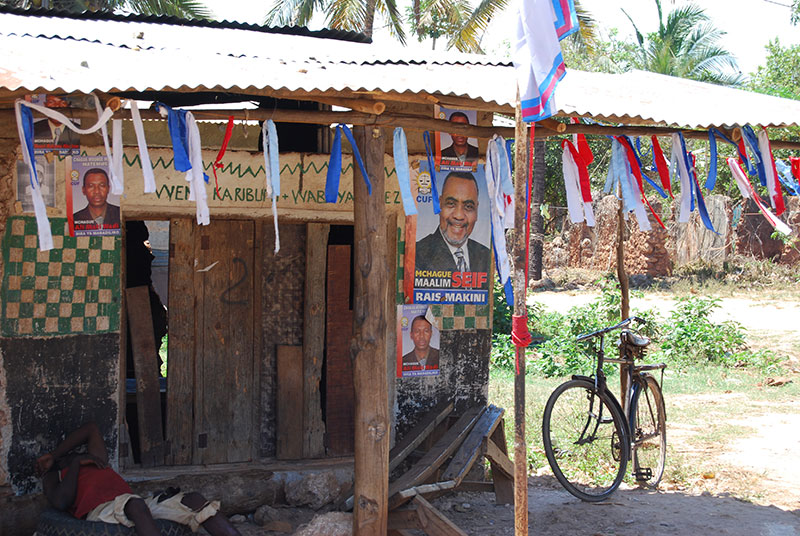
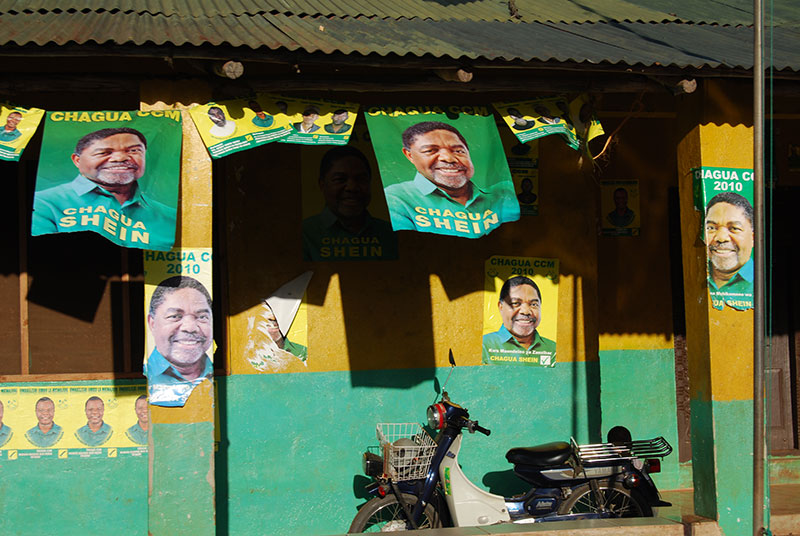
An election An election

An election was in the offing…

Stone Town

Stone Town

Lick of paint

…parts of which could have done with a lick of paint

The House of Wonders

The House of Wonders, Stone Town

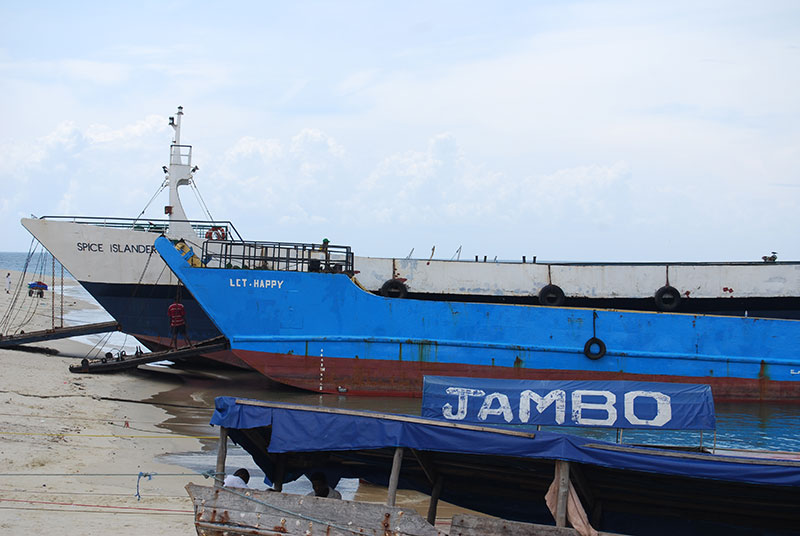
Boats Stone Town

Boats by Stone Town

My great rail journey through Kosovo

Peja

Peja, Kosovo

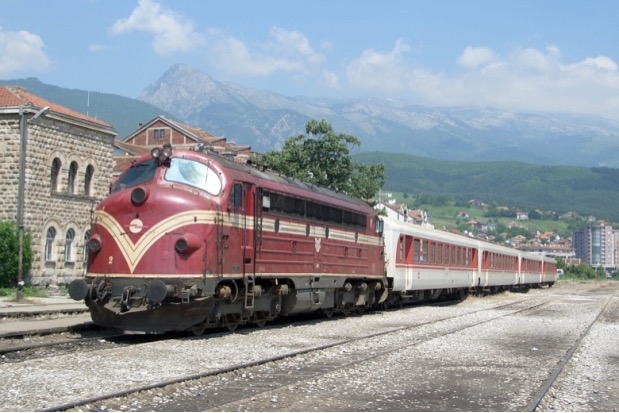
At Pristina station there are gasps. In the distance a cherry-red train is hurtling in our direction, trailing a line of smoke and hooting its horn. My fellow holidaymakers raise their camera. “Oh what a beauty,” says one. “Marvellous, marvellous,” whispers another. The train thunders past and shutters click. The driver blows the whistle twice and adds a few more hoots.

Not many people go on holiday in Kosovo, and even fewer take a holiday on the rails in the tiny, newly-established republic, which declared independence from Serbia in 2008 (and is about the size of Devon). Yet here we are on a group tour by train, catching rides across the green rolling countryside of the recently battle-torn land and on into Macedonia.

Our mission? To see the city of Peja before heading south and passing through immigration control into another country altogether: Macedonia, where our train will take us to its capital, Skopje.

The highlight is the journey west from the capital Pristina to Peja, near the borders with Montenegro and Serbia, as well as the foothills of the Albanian Alps (known as the “Accursed Mountains” for being so rugged). It’s a ride that takes about two and a half hours, giving us a different perspective on the pretty countryside, though it’s not this that has attracted those around me. “This is what everyone was hoping for: a proper old loco pulling carriages,” says Steve, a retired financier from Shropshire, peering out of the window as the train snakes round a bend. “We’re delighted.”

He and some of the others have already identified that the loco is a 1961 Norwegian model and that the carriages are ex Austrian Federal Railways from the 1980s; Kosovo’s trains are made up of a ragbag of cast-offs. There are some serious rail buffs among us, including the author of several illustrated books about trains and a few rail bloggers. Almost all have cameras. Many have pads. There is the odd flask. We are trainspotters on tour, on an inaugural train holiday in Kosovo.

It all makes for a refreshingly unusual holiday. After the Tito-ero apartment blocks and tumbledown yards of the edge of Pristina, the scenery opens out into green rolling hills, fields with brown cows and meandering, glistening rivers. The cherry-red train rattles along, never picking up much speed, and stopping intermittently at the burnt-out ruins of small grey-stone stations. These were struck by bombs during the civil war that ended in 1999 and have yet to be repaired, though they are still used by passengers, who leap off on to the side of the track. Health and safety has clearly yet to find a foothold in post-independence Kosovo: kids run happily alongside the train as it pulls away and some on board waggle their legs out of an open carriage door. The burgundy-capped conductor doesn’t bat an eyelid.

As we chug onwards in our comfy old second-class Austrian carriage, the landscape becomes even more remote and the snow-peaked Accursed Mountains rise in the distance. Church spires poke up from isolated churches. Tractors plough muddy fields. A faint smell of diesel wafts in from the loco.

Peja is a sleepy city with streets named after Tony Blair, Madeleine Albright and Nato — the intervention during the civil war is far from forgotten in Kosovo, and Britain and the US are regarded favourably wherever we go. There’s even a statue of Bill Clinton in Pristina. We hop off at the station and cross a couple of tracks by foot. Ours is the only train.

For a while we switch from trainspotting to sight-spotting. After staying overnight at a hotel on Tony Blair street, we wander around a market selling fake Hugo Boss jackets, watermelons and vast arrays of wedding dresses, which are busily being perused by mothers and daughters. Peja is, according to the Bradt guide to Kosovo, “where you can find the most beautiful girls in Kosovo”, and weddings seem to be very much in the air. We take in the statue of Mother Teresa, who is from Macedonia but revered in Kosovo. It stands by the iridescent Lumi Bardhi river, and we sit in one of the many cafés drinking strong coffees in the sun; 50 cents a cup. Everything is dirt cheap in Kosovo. It’s difficult to spend ten euros on three-course meals at the best restaurants, including drinks.

At the stunning monastery of Pec Patriarchate, hidden behind high walls, we find barbed wire and protection from Kfor (Kosovo Force, the international peacekeeping force overseen by Nato). The protection is required due to the continuing tensions between the Albanian majority and Serbian minority in the country. Kosovans with Albanian roots are not allowed into the monastery, which is run by 25 nuns. One shows us the magnificent frescoes and gold chandeliers in the 14th-century church, which smells of incense and is illuminated by candles and streaks of sunlight filtering from windows high above.

This is followed by Visoki Decani Monastery on the outskirts of town, which dates from the 13th century and is set around a courtyard behind more tall walls. In the main church, onyx walls and purple marble columns support a dome above colourful frescoes depicting the life of Christ.

After a stop at the gorgeous gorge in the Rugova Mountains beyond Decani, we are back on the tracks heading east to Pristina, where I talk to a wide-eyed local student in a neighbouring carriage who says: “I’ve never seen a train-lover before.” We spend a day taking in more sights: the Clinton statue, the excellent little Ethnographic Museum and yet another breathtaking monastery: the 14th-century Manastir Gracanica, recognised in the Unesco World Heritage list. It’s not so far from the hilltop where Slobodan Milosevic made his infamous speech on Serbian nation identity in 1989 that presaged the trouble to come in the civil war. This spot is also behind protective walls, with the monument commemorating those who died during Serbia’s 14th-century defeat in the Battle of Kosovo against the Ottomans still standing.

We fit in a happy hour taking in a steam locomotive and a small railway museum by a station that formerly offered services to Belgrade (which no longer run due to the continuing hostility between Kosovo and Serbia). It was from this station, we learn from our guide, that many tens of thousands of those with Albanian ancestry were transported out of Kosovo during the 1990s; a chilling reminder of the relatively recent troubles.

The steam locomotive is green and shiny and creates a bit of a stir. “1950s, operated until the early 1960s, I would say,” comments Nick, with a gleam in his eye. Nick describes himself as a train historian and has visited “all the axis of evil countries, I like to go out there on the edge”. On trains, of course.

During our journey south from Pristina to Skopje – pulled by an Italian-made engine dating from 1983 with a “diesel multiple unit” (I am reliably informed) — a couple from the group fills me in on trainspotter terms. There are, apparently, many nuances in the world of trainspotting. A “haulage basher” is a person who likes to travel to lots of different places, while a “track basher” makes a special effort to travel on as many lines as possible, and a “number cruncher” is more interested in making a note of different train numbers. There are also those who collect “footplate rides” – which count as when they are invited to the cab at the front of trains by drivers.

Finally, there are “gricers”. Nobody on the trip can explain from where this term originates but it refers to the especially geeky trainspotter. “Ghastly plasticky shoulder bag from the 1980s. Anorak. Scruffy trainers,” says Charlie, a retired librarian from Islington, attempting a definition.

Mike, a particularly snap-happy trainspotter, tells me: “We get a bad press. We’re fair game for it. But the thing is: on holidays like these, we go to the places that other people don’t see.”

And as we cross into Macedonia and head on between the magnificent snowcapped mountains into Skopje, I agree — we have taken in some amazing sights.

Need to know

Tom Chesshyre was a guest of Ffestiniog Travel (01766 772030, ffestiniogtravel.com) which offers a 12-night guided tour travelling through Kosovo, Macedonia and Albania from £1,650pp including flights from Gatwick via Istanbul to Pristina and back from Tirana.

Further information: Kosovo (Bradt, £15.99) includes information on independent train travel in Kosovo. Tom Chesshyre is author of Tales from the Fast Trains: Europe at 186mph (Summersdale, £8.99)

Great European train rides

Glacier Express in the Swiss Alps
Travelling on the Bernina Express and Glacier Express between the snowcapped peaks of the Swiss Alps has to be one of the most exhilarating train journeys anywhere. Ffestiniog Travel (01766 772030, ffestiniogtravel.com) has created a 15-day guided tour departing on September 8 that begins with a Eurostar train from St Pancras to Paris and a TGV onwards to Basle. In Switzerland travellers use the unlimited Swiss train pass, included in the price, to see Neuchâtel, the Jura region and the Bernese Oberland (with the Eiger and Jungfrau mountains and views of Lake Geneva), before taking the Glacier Express to Chur and the Bernina Express to Tirano in northern Italy and travelling back by train to London. The price is from £2,275pp including all train travel and B&B stays in hotels.

Across the roof of Norway
The Bergen line, which opened in 1909, touches 1,301 metres above sea level at Finse as it crosses the Hardangervidda, Europe’s largest mountain plateau. Taber Holidays (01274 875199, taberhols.co.uk) offers self-guided six-night “Across the Roof of Norway” tours that begin in Oslo and end in Bergen, a distance of 308 miles. Along the way there’s dramatic mountain scenery, with the route passing through deep pine forests and alongside stunning fjords. The trips are offered through the summer until the end of September with the price starting at £1,063 including flights, rail tickets and B&B.

Rome and southern Italy
Great Rail Journeys (01904 521936, greatrail.com) has many rail trips in Europe, but among its newest offerings is a trip around Calabria in southern Italy covering 14 days. It begins in St Pancras and continues onwards, via Eurostar to Paris and a TGV to Turin. From there, a first-class ticket takes guests to Rome, where two nights are spent, before continuing south to Calabria, taking a track alongside rugged coastline to Lamezia Terme. Guided tours are arranged in the south from the hotel in Tropea, taking in the medieval town of Gerace and the Carthusian monastery near Serra San Bruno. On the return to Britain by train there is also a stop-off in Bologna in northern Italy and Mulhouse in France; the price is from £2,195pp including all trains, B&B hotels and some meals.

Budapest to Istanbul
For a European rail journey of a lifetime, in style, the Danube Express departing from Budapest’s Nyugati station to Istanbul is hard to beat, though the price is steep: £3,680pp (01462 441400, danube-express.com). The train takes in four countries in four days – Hungary, Romania, Bulgaria and Turkey. There are stop-offs along the way including a “Puszta” horse show in Lajosmizse in Hungary, and a visit to the ancient capital of Veliko Tarnovo in Bulgaria. The price covers two nights’ B&B at the Astoria Budapest and two nights’ B&B at the Yasmuk Sultan Hotel in Istanbul, with three nights in a private en suite compartment on the train with all meals and wine and beer on board, and international flights.

Harz Mountains, Germany
Travel on steam trains and narrow gauge railways through Germany’s Harz Mountains on a five-day train lovers’ break put together by Diamond Rail Holidays (0844 5443808, diamondrailholidays.co.uk). The guided trip includes a Eurostar journey via Brussels to Hanover on Deutsche Bahn and costs from £699pp with four nights’ half-board in hotels. The highlight is a high-gradient ride on the Brocken steam railway to the summit of the mountains, and there’s also a trip on the Selketal railway through the picturesque Selke Valley. At the end participants return to the UK by train.

Classical cities of Spain
See four cities in central Spain on a “Classical Cities of Old Castile” self-guided rail tour organised by Inn Travel (01653 617000, inntravel.co.uk). Spend two nights in each of Segovia, Salamanca, Madrid and Toledo, with a suggested itinerary covering cultural sites such as the museum of Art Nouveau and Art Deco in Segovia, the Thyssen-Bornemisza gallery in Madrid and the El Greco museum in Toledo. The price is from £700pp with eight nights’ staying in B&Bs and rail tickets included, but not flights.

Lochs and Highlands of Scotland
Responsible Travel (01273 823700, responsibletravel.com) offers an eight-day break by train travelling around Scotland. You start in Glagow and chug along past Loch Lomond on the West Highland Line to Spean Bridge in the Highlands. After an overnight stay at a hotel, it’s onwards by steam train from Fort Willam to Mallaig, after which there is a ferry to the Isle of Skye. A night is spent on the island and then the trip continues, after a ferry back to the mainland, to Inverness, Perthshire, Killiecrankie and Edinburgh. The price is from £985 with B&B accommodation along the way.

Also try Planet Rail (planetrail.co.uk), Treyn Rail Holidays (railholidays.com), Voyages SNCF (uk.voyages-sncf.com), Railbookers (railbookers.com), Expressions Holidays (expressionsholidays.co.uk), Discover the World (discover-the-world.co.uk) and Explore (explore.co.uk).

First published in The Times, July 19 2014

Haiti with no tourists, 2004

Hotel Oloffson

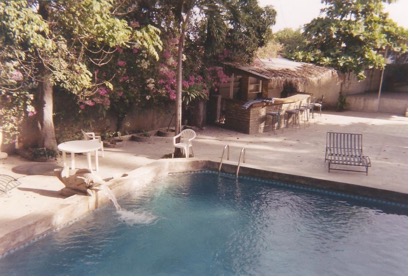
Pool at the Hotel Oloffson, Port-au-Prince

IN The Comedians, Graham Greene’s novel about the dark days of Haiti’s Tontons Macoute and Papa Doc, his narrator, Mr Brown, invites a friend to dinner at his hotel to meet Mr and Mrs Smith, evangelical vegetarians from the United States: “Come to dinner on Saturday… and meet the only tourists here.”

Last week in Port-au-Prince, myself and the photographer Doug McKinlay, staying at Hotel Oloffson, on which Greene based the Hotel Trianon in his 1965 bestseller, were by all accounts in the same, quite surreal, position as the Smiths. We may not have been evangelical vegetarians – the fried chicken, the steaks and lambi a la creole (conch in spicy creole sauce) were just too good to be preaching against meat-eating – but we were almost certainly the only tourists there… as almost everyone we met told us.
“You’re tourists!” exclaimed a Canadian documentary film-maker researching a series on voodoo, who joined us on the Oloffson’s gingerbread verandah on our first night, clutching a rum punch a la Joseph, Mr Browns’ limping barman (his limp post-dating a visit from the Macoute). “Hey, these guys are tourists!” he called out to his camera crew, who stared at us as though we were circus show freaks. “We never thought we’d see any tourists!”

It felt, as you might expect, extremely odd; especially with news from Gonaives coming in thick and fast. News agencies on the free internet terminal at the Oloffson reported mass burials and food riots, with “survivors drinking and cooking with water from ditches containing rotting bodies and raw sewage”. And there we were with our rum punches, lambi and bottles of Prestige beer – guiltily building up a tab. The ceiling fans whirred, the cicadas screeched and the sun set in a blaze of orange through the tropical creepers and trees down the hill towards the Presidential Palace.

The latter was – in a further twist – currently occupied by United Nation troops and members of an interim government put in place after President Jean-Bertrand Aristide was forced into exile in a popular revolt in February this year. Aristide, currently in South Africa, had introduced his own Macoute-style secret police, the Chimeras, after being democratically elected in 2001. “There are 10,000 of them still out there with guns,” said one local insider we met on the Oloffson’s veranda – 40 years after Greene, still the place to find out what’s going on in Haiti.

Floods or no floods, these were not exactly tourist-friendly days in Haiti (and it hadn’t exactly had many of them in the first place). The “lost world” of “naked girls in the pool” in the 1940s and early 1950s, so lamented by Mr Brown, was well and truly lost, with few who could even remember it.

But before travelling, I’d contacted a local travel agency and spoken to Jacqui La Brom, one of the only English-language guides in the country, a Bristolian who originally came to Haiti as a missionary in the 1970s, and she had convinced me that conditions had settled since the February coup: “It’s fine. People are eating out at restaurants again in the evening. If you sick to the mainstream sights, steer clear of the slums, and don’t go out at night alone, it’ll be fine. Stuff the Foreign Office advice (which was against ‘non-essential travel’), they always overdo it – I’m always writing to tell them so.”

Jacqui met us at the bus station, after we’d crossed the border after a six-hour drive from Santo Domingo, the capital of the Dominican Republic. “Oh it was going to be a wonderful year,” she sighed. “Everything was starting to go so well. It was the 200th anniversary (Haiti celebrated its bicentenery on January 1) and we had all these bookings lined up. Beautiful, it was all going beautifully – then: boom! And now there’s Goinaves. Oh, it’s dreadful!”

Jacqui, who reminded me of a purposeful-but-slightly-eccentric leading character in an Anne Tyler novel (she plays bridge every Tuesday evening, is a former president of the International Women’s Association, and her favourite pink T-shirt bears the logo “Supergirl”), kept on talking… and talking. She surely, Doug and I agreed after a couple of days, merits some kind of international medal for oratory skills, if not just for long breathes.

“There’ll be 6,000 or so troops out here by the end of the year. But they’re not doing anything. They’ve spent a fortune on vehicles – which is very nice for all the rich people here who sell Nissans. But you don’t often see them on the streets. They’re supposed to be keeping the peace, but people have been shot in front of them and they’ve done nothing. (She hadn’t mentioned this when telling me about the travel conditions).”

As she says this, a white UN four-wheel drive passes by. “See, that’s just from the headquarters round the corner – whenever they do roadblocks, it’s always close to the headquarters, so they can get back easily.”

On the floods: “There’s a big problem across the country of people building on land in ravines. They can’t afford anywhere else. They are so poor. But nobody’s going to chuck them out of a riverbed.”

So what does a tourist – the only tourists – do in Haiti? And does this change when there are devastasting floods (which were localised and had not affected other parts of the country) and continuing political rumblings (Aristide supporters began demonstrating, literally the day after we departed – forcing the UN into more visible action in Port-au-Prince)? I’d been attracted by the Oloffson, with its ghosts of The Comedians; the mystique created by voodoo, which is said to be practiced by as much as 90 per cent of the population; the country’s remarkable and troubled history; and by the sheer curiosity of visiting such a little-visited place.

We began with the history, via a brief lecture. “There are nine words I don’t want you to mention,” said Jacqui, in the Place des Heros de l’Independence, opposite the bright White House-style National Palace. What, Jacqui, we asked. “That ‘Haiti is the poorest nation in the western hemisphere’.” A nice try, and based on her belief that “Haiti gets a bad press”. But some stark stats prove the point: gross national income per capita US$440; life expectancy for men of 49 years and women of 50 years (people in the neighbouring Dom Rep can expect to live 15-20 years longer); half the nation’s wealth owned by French-speaking mulattos, who make up just one per cent of the population, while the Creole-speaking black majority is impoverished; tiny percentages of the land left with forests (deforestation being one of the main blames for the strength of the effect of Hurricane Jeanne).

As several small boys offer to polish my sandals – “Eh blanc!”, looking at my feet, “Eh blanc!” – we saw the statues commemorating the heroes of Haiti’s battle for independence. Toussaint Louverture, who in 1801 declared himself Governor for Life on the island, but was subsequently tricked by Napoleon and jailed in France – his chin jutting defiantly. Jean-Jacques Dessalines, who declared independence on January 1, 1804. Henri Christophe, who helped lead resistence in the north.

This should be a year of great celebration in Haiti – a year of rejoicing for the world’s first black-led republic, the first freed-slave nation. Instead “things haven’t worked out quite like that,” said Jacqui. A dreary, half-built memorial – not open to the public yet, and no one knows when it will – looks more like a practice tower for firemen. Yet Haiti freed its slaves 29 years before the British, and 60 years before the US Civil War.

Doug and I tracked down Issa El Saieh, the Haitian-Syrian who Graham Greene turned into Hamit, the Syrian storeman who provides a room for Mr Brown’s adulterous affair in The Comedians – the name of the book came partly from the “comedy” of the private lives of the charcters who lived during Papa Doc.

It wasn’t difficult. The 85-year-old runs an art gallery on Rue Chile, a few streets from the Oloffson, in a big echoing white mansion with a sweeping view across the capital – past the palace and the cathedral to the slums near the port, where rubbish was burning. We were his only visitors. What did he think about what’s been going on? “Terrible, just terrible: if I was a tourist, I wouldn’t bother coming here. I haven’t sold anything for months, not that I really give a damn.”

In better times, Issa sold Greene a Philippe Auguste for about 50 dollars – a “crazy sum” (as in crazily low on today’s likely valuation) – and became friends: “He was a nice guy, but he could also be a pain in a way. If he didn’t like you, you’d better watch out. He’d bad mouth people.”

Had he any news of Aubelin Jolicoeur, on whom Greene based the character, Petit Pierre, a gadfly gossip-columnist with Papa Doc connections, once known to prop up the bar – and never pay for his rum punches – at the Oloffson. “No, but I bet he’s still not paying for his drinks. He used to run around Port-au-Prince like he ran the country. I’ve known him since we were in our teens.”

Issa’s art is stunning, bright primary colours, – realism mixed with abstract works – but he would not mention prices. “I’ve got one foot in the grave and one on a banana peel,” he told Doug as he showed him one picture, “so I only want to sell if you’re really interested”. When we go, Issa, who has Greene’s quizzical eyes, cried after us: “Make sure you tell tourists to come and see me: I need somebody to lie to!”

Moro Baruk, who runs a small art gallery in his name in Jacmel, a sleepy seaside town with charming-but-dilapidated 19th century colonial houses, where we make a pit-stop before traveling north, was also selling badly. How many tourists had he had this year? “Well, that depends on how you define tourist,” he replied playfully. We agreed that it did not count aid workers taking breaks. “Four,” he said. “Yes, four.”

Haiti’s history comes alive in the north, a few miles from Cap-Haitien – at probably the world’s least visited major attraction: the Citadel. Built by Henri Christophe from 1805-1816, it is a monument to the slave revolution and as breathtaking as the pyramids (go if you don’t believe me). It is the world’s biggest fort, with walls 30ft wide designed to keep out the French – who were expected to come back for a fight (but didn’t).

It is just 60 miles from Gonaives, but was unaffected by Hurricane Jeanne, as was the surrounding area. We are taken to the top by Maurice Etienne, himself the descendent of a slave ship from Benin that made the mistake of calling at Cap-Haitien while Christophe was in charge: he freed it and imprisoned the captain.

“When this was built, everywhere in the Caribbean had slavery. And in North America, South America: nothing but slavery,” said Etienne, who had a bushy black beard and who said he works for three months each year as a taxi driver in New York City (he is divorced from an Amercan woman) to make ends meet. “Christophe said ‘listen guys, build this and be free forever’. They said ‘ok let’s go for it’. You see dying for this building was like being sent straight back to Africa, to the motherland, to freedom. (About 5,000 people did die). And when it was finished it was thought it would be the saviour of the nation.”

We talked about what had happened this year – the politics and the floods. “I feel like dying, really I do. After 200 years we have been reduced to this, reduced to having the UN here. We can’t look after ourselves. It feels like we have been invaded. Invaded by the UN, which everyone just thinks of as the USA. I don’t see what we’re going to do from now – if the truth be told.”

It was a strange, and often moving, experience, being the only tourists in Haiti.

Walking Australia’s Great Ocean Road

Remains of the 12 Apostles

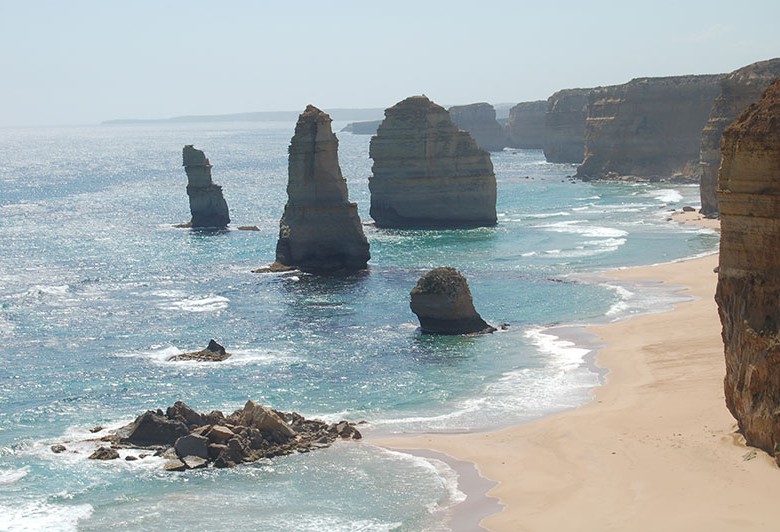
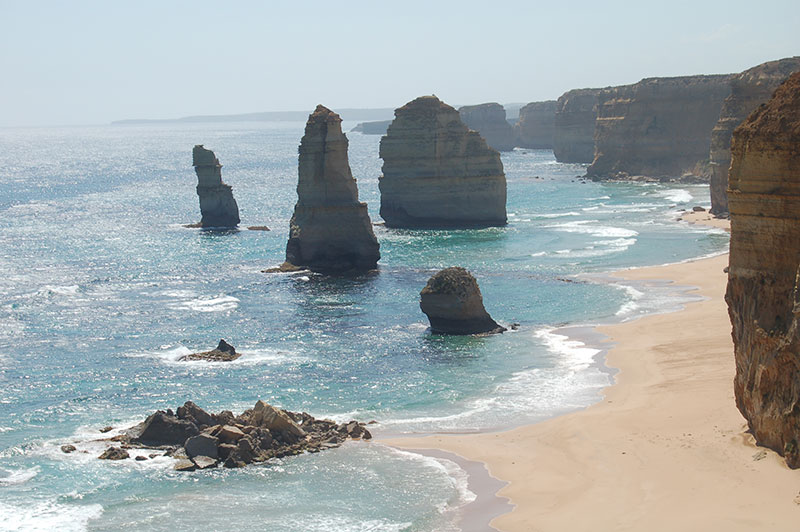
Part of the remains of the 12 Apostles, Victoria (more pictures at end of article)

On a cliff overlooking the expanse of ocean, with waves crashing below on apricot sands and birds of prey wheeling above untouched forest by the coast, Ian, a retired self-storage company owner from Melbourne, is getting philosophical – in an Australian kind of way.

“Mate, let me tell you,” he says, looking out across the waves, “this is a ripper place. Totally ripper, mate.”

He pauses as we listen to a wallaby scurrying close by in the bush. “Some resorts not far from here are packed to buggery in the summer, mate. But not here, mate. Oh, no, things are always totally ripper here.”

It’s hard not to agree. The Great Ocean Walk snakes for 90km (56 miles) along Victoria’s spectacular southwest coast. Last year, Tourism Victoria announced the opening of the track, which is at points little more than a one-person-wide clearing through the bush, bringing a trickle of tourists to this beautiful region.

The path runs parallel, but not within sight of the Great Ocean Road, widely regarded as Australia’s premier drive. This narrow road, built during the Depression to kick-start the economy, twists and turns along the rugged coast, offering fantastic ocean views.

There are camp sites along the path, which ends at the Twelve Apostles, an Australian landmark that used to consist of a dozen solitary rocks standing alone in the ocean; now there are just eight Apostles as four have collapsed. But we are not slumming it. “I just can’t face that s*** any more,” Ian says, summing up the feeling of our seven-strong group. The others are 20 years older than me but amazingly spritely; the walking pace is keen as we cover 15km a day over four days.

No, we’re not messing about with flysheets and pegs, we’re doing it in style – being dropped by bus at our start point each morning and picked up at the end of the day to be taken to a comfortable guesthouse for a nice meal, a glass of shiraz or two, and a discussion of the day’s events.

The walks are the idea of Gavin and Dana Ronan, who gave up jobs in IT and marketing – Dana was head of marketing at Australia’s version of www.lastminute.com – to set up a company called Bothfeet.

I talk to Gavin one evening at the Aire Valley Guest House, which has an almost unbelievably peaceful view from its veranda over a garden of lemon, apple and olive trees on to an open plain with cattle and eucalyptus trees. “Australia is not known for its walks,” he says, clutching a VB beer and looking as if he wouldn’t be out of place in a flashy Melbourne bar. “We want to change that.”

It’s early days yet, with Bothfeet organising just one or two walks a week. On ours, last December, we see kangaroos, kestrels, eagles, giant red ants (described by Ian as the “garbologists of the bush”) and lots of snake marks, but thankfully no snakes.

“They are active at this time of year,” says Andrew, our guide, whose working life has included stints as a semi-professional cricketer in England, the army and a couple of years as a possum catcher. “I’m surprised we haven’t come across any.”

To protect ourselves against bites, we are given thick plastic gaiters to wear around our ankles. Other kit includes a backpack with a water tube attached to the front strap, a fly net to wear over your hat (in places there are an awful lot of flies, though no mosquitoes), and a vacuum flask of hot water.

The latter is for “smokos” – also known as “brew stops”. We’re in no hurry, so smokos are common. During these breaks Andrew regales us with stories of shipwrecks and marauding escaped convicts back in the early 1800s. He tells us about the plants we see along the way and how they are used by Aborigines.

By the end of our four days, our enthusiasm for the scenery has brought the group together. “I love this place,” says Carolyn, who is married to Geoff, a retired bank manager. “It’s just getting out here and feeling the space. You need that sometimes.”

Andrew joins in: “It’s an Australian thing – of being out in the open. I get it in the Northern Territory, when I look across the flat water and the sky is pink and the crocs are growling. When I’m out here, I’m always thinking: ‘Who in their right mind would want to work in an office?’ ” With golden light settling on the Twelve Apostles at the end of our “ripper” and invigorating – but not too demanding – walk, the collective answer of our group is: good question.

Need to know

Getting there: Tom Chesshyre travelled with Tourism Australia and Qantas (0845 7747767, www.qantas.co.uk), which has returns from Heathrow to Melbourne from £641.
Walking the walk: Bothfeet (00 61 3 5334 0688, www.both feet.com.au) offers four-day walks, including full-board accommodation, from £793.
Further information: Tourism Australia (www.australia.com), Great Ocean Walk (www.greatoceanwalk.com.au).

Where to stay

Decent places to stay used to be rare on the Great Ocean Road. Now you’re spoilt for choice:
Chris’s Beacon Point Restaurant and Villas (00 61 3 5237 6411): excellent restaurant with sea views; B&B doubles from£118 a night.
Moonlight Head (00 61 3 523 75208, www.moonlighthead.com) has views of Cape Otway lighthouse; full board from £269pp. Oscars, 41b Gipps Street, Port Fairy (00 61 3 5568 3022, www.oscarswaterfront.com) has B&B doubles from £111 a night.

First published in The Times, November 3 2007

Along the Great Ocean Walk

Along the Great Ocean Walk

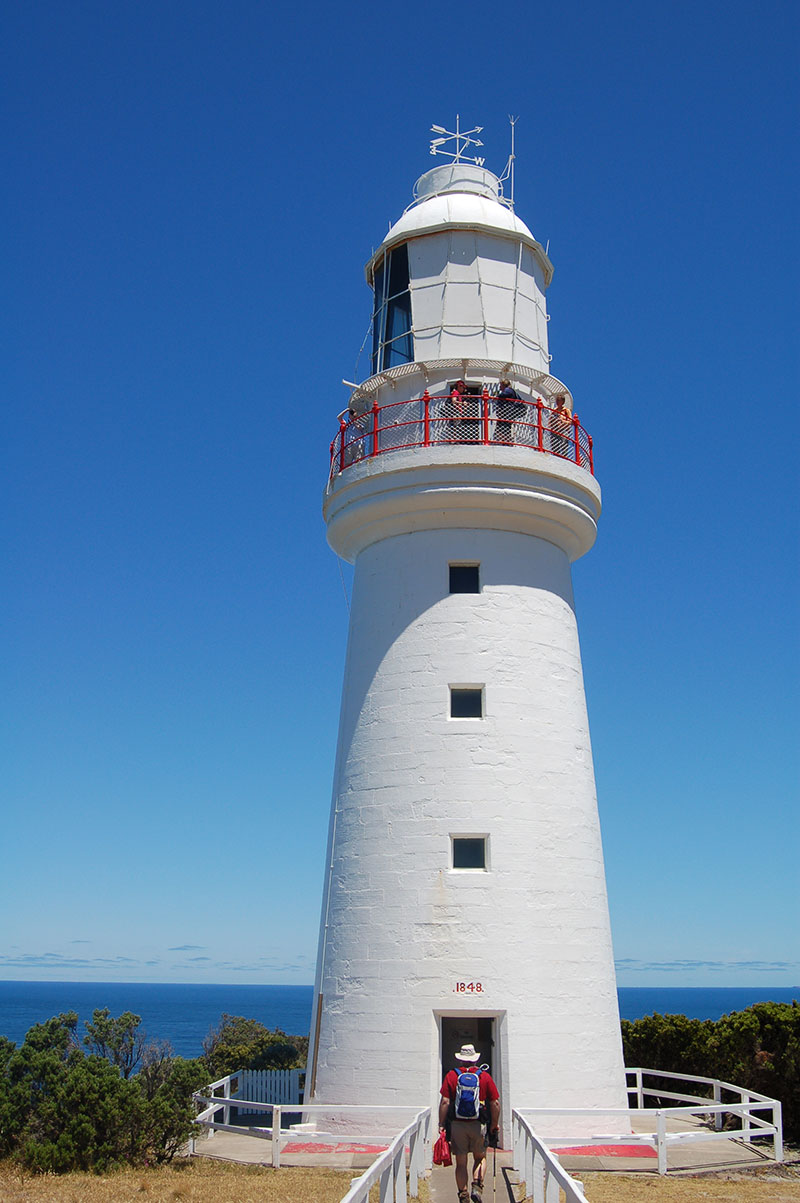
Stop-off at a lighthouse

Stop-off at a lighthouse

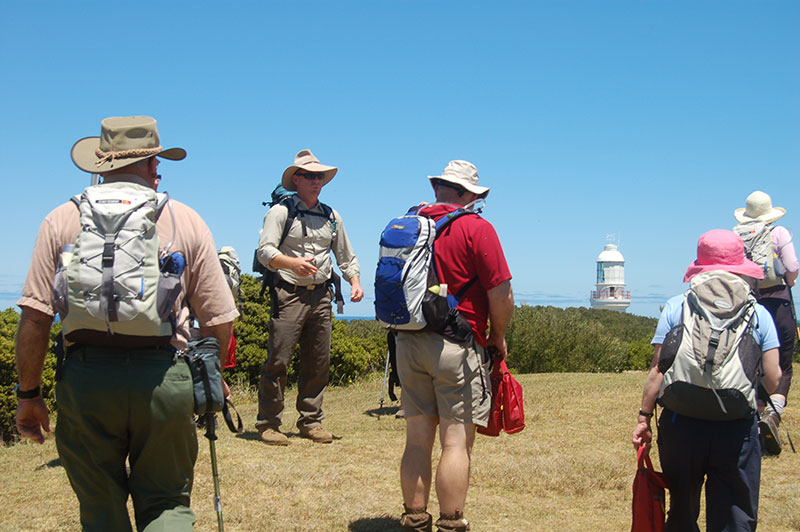
Great Ocean Walkers

Walkers: Great Ocean Walk

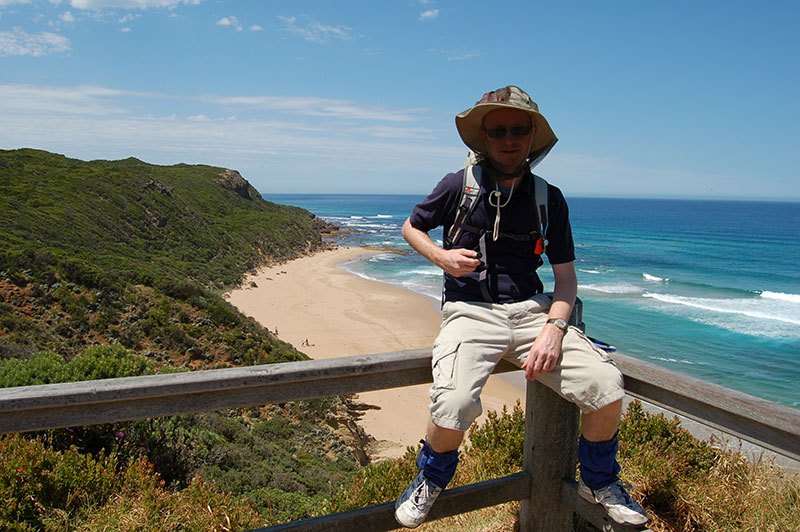
Shady character

Shady character – wearing full walkers’ kit

Vienna: a world where the Third Man lives on

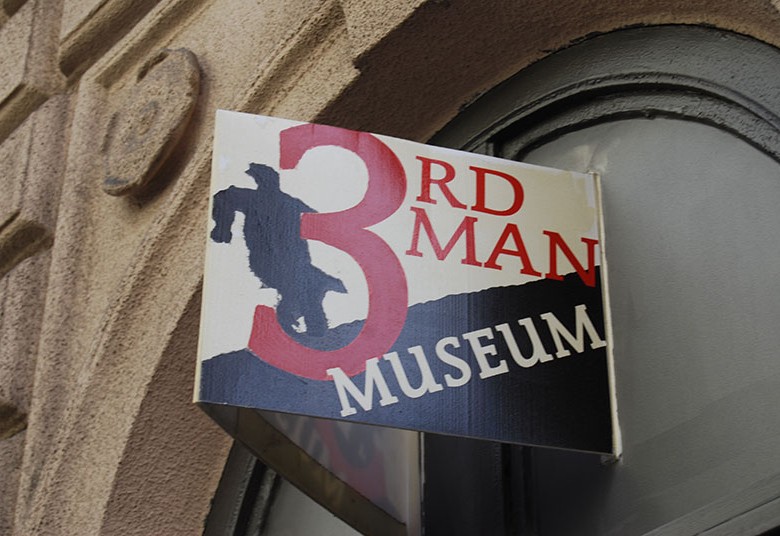
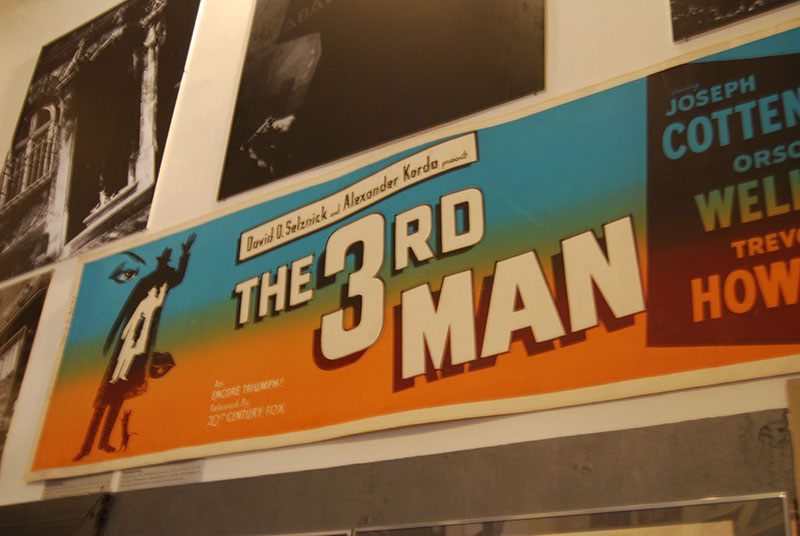
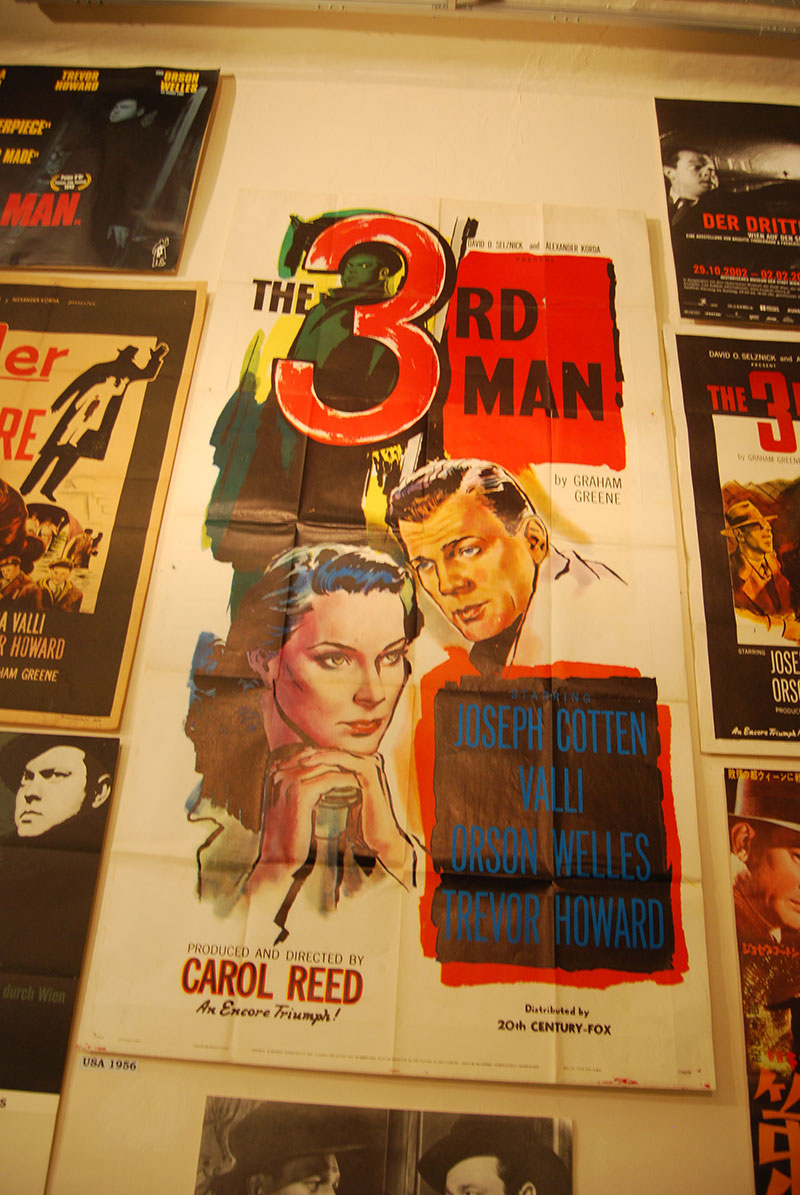
Third Man Museum

Third Man Museum, Vienna (more pictures at the end of the article)

Under a sycamore tree on a corner of a road just south of the Vienna opera house a handful of tourists has gathered by a hole in a pavement with a spiral staircase leading down into darkness.

“This is the real location: the one you see in the movie!” exclaims Gerhard Strassgschwandtner, our guide to the sites from The Third Man, written by Graham Greene, which won the Grand Prix at the Cannes Film Festival 60 years ago this week.

As a tram creaks towards the golden dome of the Secession building, we descend the damp steps down which Harry Lime, played by Orson Welles, fled the authorities chasing him for operating a watered-down penicillin racket during the postwar years — a time when Vienna was a divided city under the control of the Russians, Americans, British and French.

Greene, who entered the Viennese sewers here during filming in 1948, had been inspired to write the story after hearing about the deaths of children treated with diluted penicillin, much of this told to him by his friend the Times correspondent Peter Smollett.

Strassgschwandtner leads us along passages with filthy puddles to an opening with a murky olive river flowing through a tunnel. We stop at a section in which images of Welles disappearing round a corner, pursued by Joseph Cotten, playing the character Holly Martins, seem to flash up like ghosts.

Greene’s description feels spot-on: “What a strange world unknown to most of us lies under our feet: we live above a cavernous land of waterfalls and rushing rivers, where tides ebb and flow as in the world above.”

This is a real sewer and the smell in places is terrible. Looking down the hellish tunnel in which Lime eventually meets his maker, Strassgschwandtner tells us that many locals do not like the film because they do not want to be reminded of the poverty and destruction in the city after the war.

For Strassgschwandtner, however, who is in his early fifties and owns and runs the Third Man Museum, the film opened up a period of his country’s history that he had not been taught properly at school. He believes that too many Austrians consider the Second World War to be a German war that was nothing to do with them. When he was growing up he was not even taught the history of the war at high school.

The Third Man helped him to understand Austria’s involvement and what happened to Vienna in the aftermath: that it was controlled by foreign powers. The star of the film is not Welles, he says: “It is Vienna.”

Out in the open again, thankfully, we visit Max Joseph Platz, where Lime faked his death to try to fool the authorities. Again, there is the spooky sensation of seeing characters from the film: it was here that a young boy wearing a cap looks suspiciously at Martins, an outsider, and draws a mob’s attention to him.

They chase him across the cobbles, past the distinctive entrance of a building with four columns in the shape of maidens, around a corner and out of the square.

We visit the spot where Martins first lays eyes on Lime: a key moment, when Welles, with his impassive moon-like face, first appears on screen, on a street not far from Sigmund Freud Park. We visit Am Hof square, where Lime disappears as though into thin air behind an advertising hoarding that conceals a doorway entrance to the sewers.

And then we take in the Third Man Museum, which is close to Naschmarkt, a seedy centre of black market trade and prostitution when Greene visited but now bustling with trendy caf?s and smart fruit and veg stalls. The museum opened three years ago and it contains an Aladdin’s cave of film paraphernalia, with displays that include the original Austrian zither used to play Anton Karas’s catchy, hypnotic soundtrack, first editions of the novella, and black-and-white shots of the cast.

There is also a two-minute clip using an old-fashioned cinema reel, although the whole film is also shown three times a week, mainly for tourists, at a full-screen cinema in the Old Town — a testament to its enduring appeal.

Greene stayed at Hotel Sacher, where British military staff lived and where Welles and the rest of the crew also put themselves up in 1948. The hotel is repeatedly mentioned in the novella, and it is where Martins stays after bluffing his way to a free room by pretending to be a famous author when he arrives in Vienna at the beginning of the film.

It’s an ornate jewellery box of a place, with gilded antique furniture, plush red velvet furnishings, oriental vases, front doormen in top hats and tails, and a guest list that includes all sorts of film stars (Sharon Stone and Emma Thompson recently), politicians (Gerhard Schr?der, the former German Chancellor, staying on our visit) and dignitaries (the Queen and the Duke of Edinburgh came in 1969).

There’s a Third Man suite in the room in which Greene is believed to have slept, filled with stills from the film and a shot of Welles with a handwritten note from him praising the hotel’s bar for serving “the best bloody mary in the world”. Downstairs, we make our way to the small, cosy Blue Bar, where the author and Welles enjoyed many a drink.

An American who might pass for a senator is asked by a waiter what gin he would like in his G&T. We sit in a corner and watch the waiters glide by serving cocktails, just as they must have done in the 1940s.

Afterwards, as a final homage, we take the subway to Prater Park for a trip on its iconic Ferris wheel. The old-fashioned red compartments in which Greene took a ride during his research (when this was part of the city’s Russian sector) look exactly as they did in the film’s most famous scene, when Lime pontificates on the rights and wrongs of his penicillin racket, pointing at the “dots” of people in the funfair far below:

“Would you really feel any pity if one of those dots stopped moving — for ever? If I said you could have £20,000 for every dot that stops, would you really, old man, tell me to keep my money — without hesitation?” It may be 60 years later, but the ghosts of Greene live on in Vienna.

Need to know

Getting there Kirker Holidays (020-7593 2283, www.kirkerholidays.com) offers a three-night B&B break staying at the five-star Hotel Sacher from £970pp, including return scheduled flights and private car transfers. Cheaper hotel options are available through the Austrian National Tourist Office (0845 1011818, www.austria.info). EasyJet (www.easyjet.com) has returns from Stansted to Vienna from £40.

Graham Greene’s Vienna “In the Footsteps of the Third Man” tours (www.viennawalks.com) are run every Monday and Friday at 4pm, meeting at the U4 Station Stadtpark metro station at the Johannesgasse exit. They last 2hr 30min and cost £14.50.

The Third Man Museum (www.3mpc.net), 25 Pressgasse, is open 2-6pm on Saturdays. Entrance £6.

The Third Man is shown in English at the Burg Kino cinema (www.burgkino.at), 19 Opernring, at 10.55pm on Fridays, 2.15pm on Sundays and 5.40pm on Tuesdays — but check beforehand as times sometimes alter slightly.

More journeys in Greeneland

The Comedians The Oloffson, Port-au-Prince, Haiti The basis of the Hotel Trianon in Greene’s 1966 novel The Comedians, set during the rule of François “Papa Doc” Duvalier. The main character is the hotel’s owner, who discovers a body in the pool: “My first thoughts were selfish ones: you cannot be blamed if a man kills himself in your swimming pool.”

Doubles from £53; http://hoteloloffson.com Our Man in Havana The Nacional, Havana, Cuba When Mr Wormwold, the vacuum salesman hero of Our Man in Havana, is told that he is about to be poisoned at a meal at the Nacional, other guests overhear the warning:

“One of them, an American, said, ‘Is the food that bad?’ and everyone laughed.” Doubles from £123; www.hotelnacionaldecuba.com The Quiet American The Majestic and the Continental, Ho Chi Minh City, Vietnam The Majestic and the Continental feature in The Quiet American, first published in 1955.

Thomas Fowler, the protagonist, sits at the Continental’s bar: “It was the early evening . . . the dice rattled on the tables where the French were playing Quatre-Vingt-et-Un, and the girls in white silk trousers bicycled home down the rue Catinat.”

Doubles from £97 at the Majestic (www.majestic saigon.com) and from £40 at the Continental (www.continental-saigon.com)

First published in The Times, September 5 2009

Inside the Third Man Museum

Inside the Third Man Museum

Old film poster

Old film poster

View from Hotel Sacher

View from Hotel Sacher

Inside Hotel Sacher

Inside Hotel Sacher

Over ‘ere son, on my head (mind that goat)

Ghana Football

EVEN the goats are better than us. We — a group of volunteers in Ghana to help coach youngsters in football — are playing a crack team of locals, most in their mid-20s, on a bumpy pitch in a small village in the hills north of Accra, Ghana’s capital.

It’s a special match organised to mark the end of a week in which we had been training under-17-year-olds in nearby villages. “It’s the whites versus the blacks!” screams the DJ, his enormous sound system pumping out “hi-life” hits (West African music that mixes reggae with soul). About 800 people have turned up to watch the match and every vantage point is filled — there are even people perched in the mango trees by the sidelines.

The sun is scorching and we are 3-1 down — I’ve been subbed off after twisting an ankle in a midfield pothole. The pitch is terrible, but one of the best for miles around — most don’t even have grass.

And the goat is about to dazzle our defence. With consummate ease, one of the locals sprints past our centrebacks, but plays the ball too far ahead of himself. It looks like it’s running for a goal kick, but a small group of goats, munching the grass, is in the way.

The leader, a grey scraggly animal, sees the ball and instinctively butts it, away from the goalkeeper and straight into the path of the striker, who brilliantly thumps a goal. 4-1, and no offside whistle for the goat — “Goooalll!” cries the DJ, as the crowd goes wild.

The moment perfectly encapsulates African football and our experiences of football coaching in Ghana: fantastic talent, awful facilities . . . and a lot of fun.

I’ve joined a group of 18 volunteers, ranging in age from 19 to 35, to spend a fortnight helping out with training drills in and around Accra. Most of the volunteers are gap year students either about to go to university or just finished, plus a couple of career breakers. The other volunteers are here for five weeks, after which some will go backpacking northwards through Ghana into Burkina Faso and then on to Timbuktu in Mali.

They’re part of the Tom Vernon Football Academy, based in Accra and run by Tom, an enthusiatic and self-assured 25-year-old from High Wycombe who formed the academy — which looks after a group of 20 or so of Ghana’s best under-17 players — four years ago.

Tom came to Ghana despondent, after quitting a coaching science degree at John Moores University in Liverpool — “too much theory, not enough practice” — and going for a holiday, staying with a family friend who ran a furniture business in Accra.

A former Sunday league football player in the UK, Tom began teaching English at a local school and soon found himself running football games. A chance meeting in a bar with one of Ghana’s premiership football club owners led to a coaching job, where he thrived — and a year later he was in charge of Hearts of Oak, the title holders and the country’s biggest team.

While there, he had an idea. “There was so much amazing young footballing talent around, but people didn’t have the best tactical understanding of the game,” he says, explaining that rough pitches mean that almost all players in Ghana have “brilliant ball control, wonderful skills”.

So he started the academy, which is about to release its first intake, some of whom are expected to sign for clubs in France; 15 per cent of their signing fees will go to improving the academy’s facilities.

“Our philosophy is to give these boys the chance to fulfil their potential,” he says, as we watch them training on their home “pitch”, a dusty lot beneath crackling electricity pylons. “So many people in Africa, in every walk of life, don’t fulfil their potential.”

Most come from very poor backgrounds — football is their chance to make a living far in excess of farming or working for a company in Accra (where the average annual salary is £400). Like basketball is to inner-city kids in the States, football is seen as a way out of financial hardship.

After setting out plastic cones for crossing practice, Tom — not afraid to make his feelings known — is in full voice: “Too slow! Come on, tackle him! Lazy, lazy, lazy! Why are you just watching him: is he your boyfriend?!” The players are excellent — scooting about, sending whistling shots goalwards, flicking the ball expertly. “Imagine Sol Campbell being able to do that,” says Tom after one player controls the ball perfectly, before whipping in a cross (perhaps being a bit unfair to England’s star central defender).

During a break, I talk to Isaac “Telly” Bawa Shaze, 15, undoubtedly the academy’s star. “My plan is to play for a big club — Manchester United or AC Milan, maybe Valencia,” he says nonchalantly, adding that his favourite player is Paul Scholes. “The academy is great: we get free accommodation, free food, free school and free sports equipment.”

Telly’s “problem” is his height. He’s about 5ft 1in and even though Tom tells him it’s not the answer, he spends 20 minutes a day hanging from a bough of a tree in the courtyard of the academy’s HQ — to stretch himself.

The academy is funded by volunteers, who contribute £100 each. Everyone seems to be having the time of his life. Although there are no female football coaches, there are a dozen women on volunteer trips based at the academy who are either coaching tennis, teaching at arts and crafts centres or working as physios.

I go with Joe Mulberry, 22, from Barnstaple in Devon, and Mark Griffith, 21, from Cheltenham, to organise a coaching session for Mandela FC’s under-17 team, based at Labadi Beach, a deprived neighbourhood with open sewers, corrugated iron housing and a view of the fierce breaking waves across the Bay of Guinea. Rip currents make swimming extremely dangerous, and limit Ghana’s sun-and-sand tourist potential.

“It’s the best thing I’ve ever done — I’ve loved it,” says Joe, who has extended his stay at the academy from five weeks to three months. “We recently held a trial for new kids to join the academy. We expected a couple of hundred people, but about 2,000 turned up. It was amazing. People were in tears when they weren’t selected for the next stage of trials. It was unbelievable.”

Mark, who joined the academy on completing his degree, adds: “It’s the most rewarding thing I’ve done, without a doubt. It’s definitely changed me — made me more rounded. At least I think so.”

It’s a win-win situation. The kids love to play football and the volunteers have a great time, picking up “skills” such as responsibility and teamwork along the way.

They also get to experience “the real Africa” that most visitors to the likes of South Africa or Kenya don’t see — isolated villages where babies scream with fright at their first sight of a “whitey” (mothers rushed over to us, amused to watch their children’s reactions); bustling markets where tourists are a novelty, not people to rip off; national parks full of elephants (and a just a few tourists); historical sights such as the old slave forts where history is told straight, with no tourist-board gloss.

And then there’s the real thrill: the chance of discovering the next Marcel Desailly (who plays for Chelsea), Tony Yeboah (formerly of Leeds United), Abedi Pele (three times African player of the year, 1991-1993), or Freddy Adu (just 14 years old and already signed up for Washington DC United, with Manchester United interested) — all born in Ghana, one of the safest countries in Africa.

“One day maybe,” says Tom, watching Telly hanging from the bough of his mango tree and dreaming of those extra inches. “Who knows . . . one day maybe . . . we’ll just have to wait and see.”

NEED TO KNOW

Getting there: Sportsventurer (0845 1211996, www.sportsventurer.com) offers five-week coaching placements from £1,280; two-week “taster” trips are £495. All meals and accommodation (in a dormitory) included, but not flights. Three-week overland adventures to Timbuktu are an additional £500. Three-star hotel accommodation is about £20 a night extra. Sportsventurer also offers football placements in Trinidad and Tobago, rugby coaching trips in Tonga and Fiji, and cricket in Trinidad and Tobago. Madventurer offers community work in Ghana villages.

Flights: British Airways (0870 8509850, www.ba.com) has flights to Accra from £550.

Red tape: Visas for Ghana are £20 from the Ghana High Commission (020-7201 5900, www.ghana-com.co.uk).

Medical requirements: Yellow fever vaccinations are required; anti-malarial pills also needed. See www.masta.org.

Reading: Ghana (Bradt, £12.95); A Good Man in Africa by William Boyd, who was born in Accra (Penguin, £7.99); A Passage to Africa by George Alagiah (Little Brown, £7.99).

Travel advice: Foreign Office (0870 6060290, www.fco.gov.uk).

Playing away

Disneyland Resort Paris (0870 5030303, www.disneylandparis.com) has daily football training sessions for boys and girls aged 7-14 with coaches from Manchester United. Sessions cost £17 and must be booked.

First Choice (0870 8503929, www.firstchoice.co.uk) offers Holiday Soccer School trips for 5-16-year-olds in Lanzarote, the Costa del Sol, Corfu, the Algarve, Majorca and Turkey — two-day courses are £29, four days from £59.

Thomson Holidays (0870 5502555, www.thomson.co.uk) has Spurs Football Coaching packages for 5-12-year-olds in July and August in the Balearics and the Canary Islands from £165 for a week.

Worldwide Soccer Academy (020-8500 2665, www.worldwidesocceracademy.com) offers five days’ coaching by Chelsea football academy coaches at La Quinta resort in Marbella, Spain, for £98 in the summer; for 10-12-year-olds.

First published in The Times, June 12 2004