The great American rail trip: from the Big Apple to the Windy City

Published in The Times, 24 December 2016. Click image to view PDF

Published in The Times, 24 December 2016. Click image to view PDF
Published in The Times, 11 March 2017. Click image to view PDF
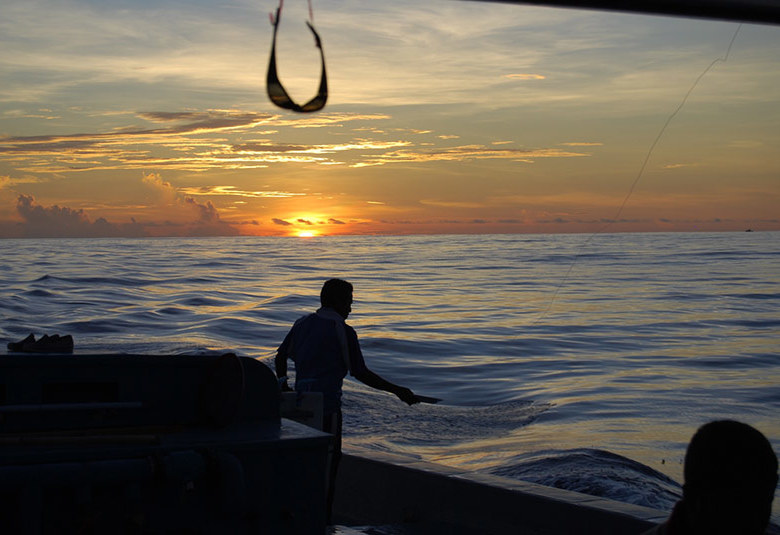
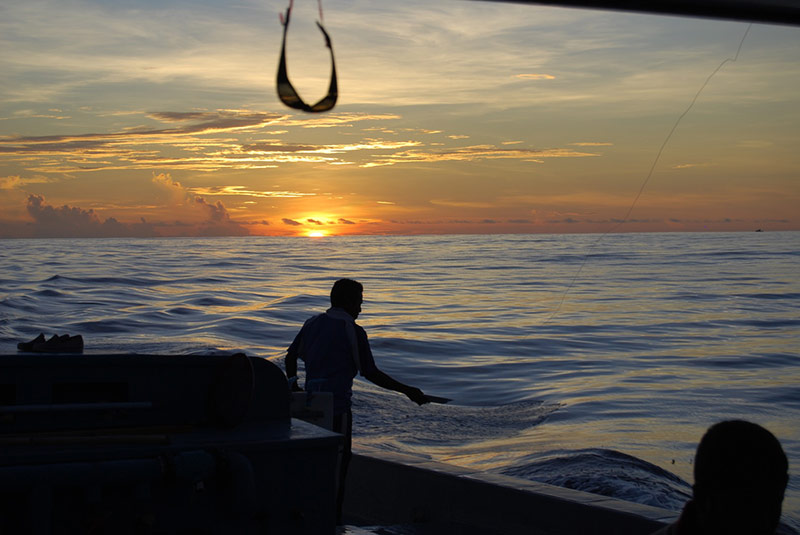
Tuna fishing boat at dawn in Addu Atoll
THERE’S a party atmosphere on the roof of the ferry from Kulhudhuffushi to Malé. The sun is beginning to set in a blaze of orange and pink, and locals are sprawled on the roof gossiping, sharing jokes and sipping fizzy energy drinks. I am the only tourist on board for an overnight journey of roughly 200 miles, a southwards route that costs about £30 (or 15 pence a mile). For this princely sum I have a space on A-deck, a comfortable patch of green foam matting beneath softly whirring fans. On the roof of the ferry , though, there’s a natural breeze as we gaze out at the dramatic sky.
The locals about me, mainly resort workers, are returning on annual leave to their families in Malé, the bustling capital of this precariously watery nation of 1,200 islands (about 80 per cent of the land is at 1m above sea level, making it one of the most at-risk countries in the world from the rising sea). “Flying is too expensive,” says Ahmed, a dive instructor. “Anyway, going by boat is more fun.”
He’s right, and he’s also on to something that might well transform the way we go on holiday to the Maldives. In 2009 something quietly changed in this tropical Indian Ocean country. Before then it was illegal for tourists to travel “off-piste” to islands that were not official holiday resorts (of which there are about 100). The reason for this was that officials were fearful that westerners might spoil the Islamic way of life on the 300 or so islands inhabited by locals. However, a new government decided to open up these local communities so more people could benefit directly from tourist cash. And so, slowly, began the construction of a series of guesthouses on remote islands, some of which had not seen “outsiders” for years. In effect, without many foreigners realising that it had happened, a whole new country had opened up, away from the plush glossy magazine world of five-star resorts famous for their high service standards, spas and fancy water villas.
It was to this “new” nation that I spent almost two months travelling on ferries and cargo ships last year while researching my travel book Gatecrashing Paradise. The idea was to stay at the cosy new guesthouses (do not expect anything madly glitzy or flashy), and sometimes in spare rooms, to see the country from a different perspective, enjoying both the quiet and isolation of these islands and their natural beauty.
Ferries such as the one from Kulhudhuffushi to Malé took me from remote islands on Addu Atoll in the far south, beneath the Equator (where I joined a tuna fishing boat and watched the long joust-like rods pull in skipjacks at dawn), to the very north, 600 miles away. I travelled in a big figure of eight, downwards to Addu and then back up via little-visited, ancient Buddhist stupas (monuments) on Laamu Atoll, an island rebuilt after almost being washed away by the 2004 tsunami, and onwards to an artificial “emergency island” being constructed 2m above sea level (in case waters indeed rise as a result of climate change).
Utheemu, my most northerly stop-off, is where the great Maldivian hero Muhammad Thakurufaanu lived in the 16th century, leading a revolt against Portuguese raiders who had ruled the country for 15 years until 1573. Staying in a room at a local’s house (for £10 a night), I came to understand the immense pride Maldivians have in being independent for so many years; the period of British involvement in the islands from 1887 to the 1960s was as a “protected state”, with internal affairs run entirely without interference.
From Utheemu I visited the island of Makunudhoo, which is so remote that it does not feature in most guidebooks and is where some locals told me they had not seen a foreigner for more than 20 years. I was lucky to arrive on a festival day, enjoying a great feast of barbecued fish during a happy street jamboree lit by lanterns at a dusty crossroads. The beaches on Makunudhoo were deserted and probably the most picturesque I have ever laid eyes on, the waters alive with a kaleidoscope of glittering fish.
It felt at times as though I had come across a new, Indian Ocean version of Greek island hopping as it was when it first took off in the mid-20th century. I could hardly believe so many “undiscovered” little islands existed.
I became immersed in the country’s sometimes tricky politics, gossip and intrigue. I fell in love with its rich culture and fabulous food. Yes, the ferries were sometimes difficult — timetables were unreliable and word of mouth was usually the best way of knowing when to turn up at the docks — but there is, as I soon found, no better way of seeing this remarkable archipelago.
The American humourist PJ O’Rourke once quipped that “there are a lot of mysterious things about boats, such as why anyone would get on one voluntarily”. But that’s not true in the Maldives. Just hop on a ferry and see where it takes you.
Gatecrashing Paradise: Misadventures in the Real Maldives by Tom Chesshyre is published by Nicholas Brealey (£10.99). To order for £9.89 including free postage visit thetimes.co.uk/bookshop or call The Times Bookshop on 0845 2712134
Or see Amazon
Need to know
Trailfinders (020 73681200, trailfinders.com) has return flights from London to the Maldives from £596.

The garden at Reveries, Laamu Atoll
Reveries Diving Village, Gan, Laamu Atoll
There are 25 rooms at this popular guesthouse that includes the former Maldivian president Mohamed Nasheed among its guests. It’s right by a sandy beach and was one of the first guesthouses to open after the change in rules allowed foreign holidaymakers on “inhabited” islands. The peaceful tropical garden has a swing seat, perfect for lazing with a novel. Rooms are smart and very comfortable, with air-conditioning. There’s a central plunge pool next to a restaurant serving excellent fresh tuna dishes. Diving lessons are available on request. The website guesthouses-in-maldives.net is a good starting point for planning an island-hopping trip.
Details: Doubles are from about £110 with all meals and daily trips to a desert island where swimming in a bikini is allowed (guesthouses-in-maldives.net)
Asseyri Inn, Hanimaadhoo, Haa Dhaalu Atoll
Run by a young, laid-back couple, Asseyri has great-value rooms and can also arrange scuba diving as well as boat visits to a series of nearby islands including Utheemu, where guests can see the home of the 16th-century national hero Muhammad Thakurufaanu. The guesthouse is close to a beach and comes with one of the best restaurants serving Maldivian dishes such as garudiya, a clear tuna broth. The rooms are decorated with palm fronds and bright art. The owners can arrange packages with all meals and activities included, as well as internal flights to and from Malé, for those not wanting to take the ferry.
Details: B&B doubles are from about £70 (asseyri.travel/inn)
Ripple Beach Inn, Hulhumalé, Malé Atoll
Hulhumalé is connected to the island where most flights from abroad land (at Ibrahim Nasir International Airport) and Ripple Beach makes a good first-night stopover for those planning an island-hopping break. The rooms are compact but high-tech, with digital TV, air-conditioning and wi-fi. They also have charming hand-made furniture and polished coconut wood floors. The restaurant serves great tuna curries and sandwiches, overlooking a sandy beach with calm waters. There are nearby Maldivian restarants serving tasty “short eats” such as chilli salt prawns and cheese puffs (see maldivescook.com/snacks).
Details: Doubles are from about £26 (ripplebeachinn.com)
The SeaHouse Hotel Top Deck, Villingili, Malé Atoll
Another great choice for a first night, the SeaHouse Hotel had a different name (and was referred to as a guest house) when I visited. It’s on the little island of Villingili, close to a stunning beach that’s particularly good for swimming. The 31 rooms are spotless and modern. The island has more character than Hulhumalé and it’s commonplace to see locals playing football at sunset or chilling out on jolies, rudimentary chairs with a string-net seat. The hotel has a good brasserie and it is run by the same people behind the SeaHouse Cafe on Malé itself, a much-loved local institution renowned for its curries. There’s a good Chinese restaurant close to the SeaHouse Hotel.
Details: Doubles are from about £40 if booked through booking.com (www.seahousemaldives.com/topdeck)
Skai Lodge, Malé, Malé Atoll
This small B&B is tucked down a tiny lane not far from the artificial beach in the capital. It’s nothing fancy — the rooms are quite basic — but if you are after a feel of the bustle of Malé it’s a good, cheap base. Breakfast is served in a small room where Bollywood films are usually playing on the television. As well as being near the artificial beach it’s also close to the Maldivian parliament. Those after an alcoholic drink can catch a 15-minute ferry across to the airport island, where the Hulhule Island Hotel has a bar overlooking the sea.
Details: Doubles are from about £35 (skailodge.com.mv)
Arena Lodge Maldives, Maafushi, South Malé Atoll
The suites at this little guest house are colourful and clean, decorated in traditional Maldivian style. There are 12 altogether, each with air-conditioning. It’s an hour and a half south from Malé by ferry; the owners can provide details of timetables. They can also organise barbecues on deserted islands and watersports or snorkelling. There’s a lovely white-sand beach close by.
Details: Full-board rooms are from about £108 (guesthouses-in-maldives.net)
Happy Life Maldives, Dhiffushi, North Malé Atoll
It’s just 20m to the beach at the Happy Life . This four-bedroom lodge is bright and airy, with one of the rooms having a great sea view. All meals are included and the owners can advise on the best ferries to catch from Malé to arrive at Dhiffushi (the 2.30pm ferry from the capital should arrive at 5pm). Watersports and excursions can be organised; the use of a kayak is included.
Details: A night’s full board is from about £125 (guesthouses-in-maldives.net)
Charming Holiday Lodge, Hulhumeedhoo, Addu Atoll
Way down on the southern tip of the Maldives, Hulhumeedhoo is a ferry hop from the mainland of the atoll, which is linked by a nine-mile road (the longest in the country). This is an isolated place with a laid-back feel and the oldest cemetery in the Maldives, which is not far from the wonderfully named Charming Holiday Lodge. Rooms are contemporary in design with flatscreen televisions with satellite channels and air-conditioning. The owners can arrange fishing, snorkelling and cycling. They can also organise trips to the Herathera Island Resort & Spa to use its pools and bar.
Details: B&B doubles are from about £55 (charmingholidaylodge.com)
Equator Village Hotel, Gan, Addu Atoll
OK, strictly speaking this is not one of the new breed of guesthouses, but it makes a great spot for a couple of days on an island-hopping break. It’s in the old RAF barracks (the RAF had a base on Gan until 1976) with a laid-back feel and a fantastic pool with a licensed bar next to it. Gan counts as a “tourist resort” island, although it’s really best known for its airport and is quite unlike any of the other resorts. You can walk across a causeway from the island of Feydhoo, which is where ferries and cargo ships come in (I caught the overnight Naza Express cargo ship to Feydhoo from Malé).
Details: B&B doubles are from about £125 (equatorvillage.com)
Azoush Tourist Guest House, Fulhadhoo Island, Baa Atoll
With a population of just 300, Fulhadhoo is a tiny, peaceful spot. It’s about 2km long and less than a kilometre wide, and it holds a historical claim to fame as it is where the seaman Francois Pyrard de Laval was shipwrecked in 1602 (his account of his time in the islands is gripping and includes a description of the harrowing night when his ship hit the reef). Azoush has three comfortable, air-conditioned suites.
Details: Full-board doubles are from about £125 a night (guesthouses-in-maldives.net)
Ferry timetables: mtcc.com.mv, vermilliontransport.com, atolltransfer.com
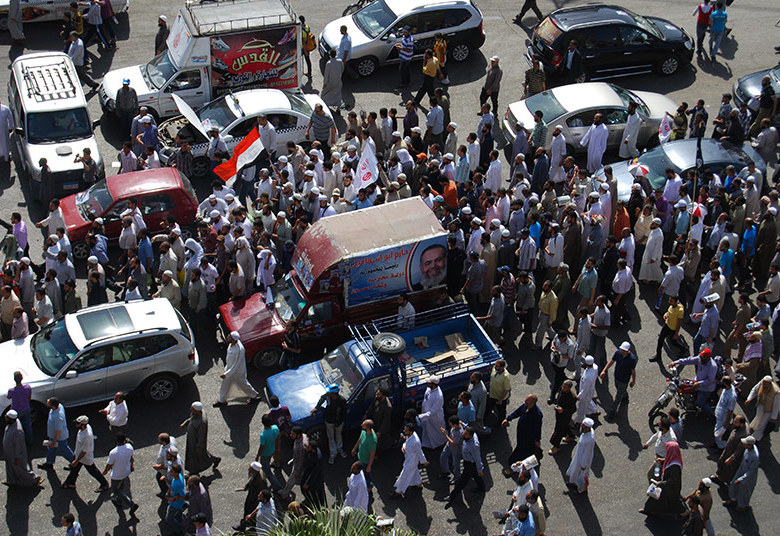
‘Flock of crows: on holiday in Tahrir Square’ – by Tom Chesshyre
On my first day in Cairo during my journey across North Africa a year after the uprisings for my travel book A Tourist in the Arab Spring, I stumbled upon the Salafists of Tahrir Square. Before embarking on my journey I had little idea what a ‘Salafist’ was, but I had come to learn that the term referred to hard-line, ultra-conservative Islamists who favour a strict, puritanical version of sharia law that shuns modernity and harks back to the days of the Prophet Muhammad (at least as they choose to interpret the days of the Prophet).
The most controversial Salafists talked of jihad, a religious war to advance Islam. Their beliefs about women deeply concerned liberal-minded Egyptians; for example, the requirement to wear face veils, and a proposed ban on bikinis (outside of hotels quarantined from Egyptians, where bikinis would be allowed to maintain the tourist industry) and high heels (outside of private homes). ‘A woman can only wear high heels for her husband but she is not to do so outside her house,’ one preacher had declared. Another had said that the mingling of opposite sexes in public places should be prohibited. The Salafists of Egypt were much influenced by the Wahhabis of Saudi Arabia, who held similar beliefs and had spread their ideas into Egypt, partly through converting Egyptians who went to work in the Gulf in the 1970s to escape poverty at home.
Anyway, so there I was, on my first day, mixing with the Salafists of Tahrir Square. They wore white gowns similar to the traditional gallabiya favoured by most Egyptian men, but shortened so you could see their socks and sandals. This was the preferred Salafist style. They had gathered to demonstrate against the official disqualification of a Salafist presidential candidate named Hazem Salah Abu Ismail on the grounds that his mother was American. This was a claim he denied, saying that she only had a Green Card to live in the United States and had not converted nationality.
Images of the moon-faced politician with his bushy grey beard were on posters and placards all over the square. A popcorn stallholder, siding with his customers (one sensed his allegiance would switch depending on the day’s debate in Tahrir Square), boasted a picture of the Salafist on his wooden cart.
Ismail was in favour of women wearing veils and being segregated from men in the workplace. He would also have liked the age of marriage to be reduced to puberty, as it was during the time of the Prophet Muhammad. Some of his supporters favoured the stoning to death of adulterers and for thieves to have their hands cut off.
It is not often that one gets to mingle with such folk on a ‘holiday’. I bought a packet of sunflower seeds and salted peanuts, and strolled about. The atmosphere was a mixture of political intrigue and village fete. Munching on my sunflower seeds I listened to voices rising angrily from a small stage. Then I noticed something.
To the right of the ramshackle stage I was shocked to come across a section of swaying black fabric under a white canopy. For a split second I was reminded of a flock of crows. There was something disconcerting about the strange black space. Then I realised what I was seeing. The area under the canopy was where the Salafist women had gathered. They almost all wore full-length black robes with black veils and slits for their eyes – known as niqabs. A few did not wear veils and merely had black headscarves. The latter seemed more elderly than the others, though it was difficult to determine ages given how well covered everyone was. The women were penned into the small area behind a barrier and this was clearly the spot given over to female Salafists.
I bought a glass of orange juice from another stallholder. An eerie effigy of a man hung from a lamp post close by. I asked the stallholder who he represented. ‘This man is doing everything against them… so they hang him,’ he replied. Unlike the Salafists, the orange juice salesman wore jeans and a checked shirt. He seemed possibly more liberal than the ultra-conservatives at the demonstration – there must have been 500 people gathered in all. I inquired as to what he thought of the women in their pen.
His answer surprised me. ‘Only for her husband,’ he said, approving of the arrangement. ‘Beautiful woman, fine body…’ He indicated the shape of women’s breasts. ‘…only for her husband.’
It was a far cry from the images of Tahrir Square I had remembered from the news reports at the time of the revolution in January and February 2011, when President Mubarak stepped down after 18 days of demonstrations. Tahrir Square then had been the epicentre of the revolt, a symbol of the protest to introduce democracy, liberal ideals and a fairer system of governance in Egypt. By the time I arrived in February 2012, the political sands seemed to have shifted and another force was rising.
Eventually, of course, the less extreme Muslim Brotherhood went on to win the first properly democratic election in Egypt, only for President Morsi to be ousted by the military on the grounds of constitutional power grabbing. This left the country, considered by many to be the centre of the Arab world, in a mess. And it remains so today. The Salafists, many of whom agreed to back President Morsi in the elections to ensure an Islamist-led leadership, and other fundamentalists have taken to the streets and there has been much bloodshed.
A year after the revolutions, travelling as a tourist for my book, I knew there was trouble ahead. I also knew its source. The Salafists and the extremists were going to cause a stink. While the overthrowing of a dictator who had ruled the country for almost 30 years had captured the imagination of the world – with democracy heading for the heart of Arabia, Facebook uprisings and moderates leading the way – the reality was far removed.
And the darker side of Islam, in my view at least, was clear to see. It was the extreme Islamist position towards women. The calls for the public segregation of the sexes. The demands for the covering up of women’s bodies. The proposed bikini ban. The suggestion that the age of marriage be lowered to the age of puberty.
Was this what the Arab Spring revolution in Egypt, and perhaps in Tunisia and Libya too, would eventually lead to? Half the population wrapped up in niqabs… flocks of crows by the side of the stage.
* A Tourist in the Arab Spring by Tom Chesshyre (Bradt, £9.99)

15/11/14 – Oddfellows, Chester
8/11/14 – Sail Lofts, St Ives, Cornwall
1/11/14 – Swain House, Watchet, Somerset
25/10/14 – The Brimstone Hotel, Cumbria
18/10/14 – Congham Hall, North Norfolk
11/10/14 – The Godolphin Arms, Marazion, Cornwall
4/10/14 – The Angel, Bury St Edmunds, Suffolk
27/9/14 – Kings Head, Cirencester
20/9/14 – Glazebrook House, South Brent, Deon
13/9/14 – The White Lion, Tenterden, Kent
6/9/14 – 2 Blackburne Terrace, Liverpool
30/8/14 – The Lord Crewe Arms, Blanchland, Co Durham
23/8/14 – The Church House, Midhurst, West Sussex
16/8/14 – Ham Yard Hotel, London W1
9/8/14 – The Close Hotel, Tetbury, Gloucestershire
2/8/14 – No 38 The Park, Cheltenham
26/7/14 – Nira Caledonia, Edinburgh
19/7/14 – The Crown, Amersham, Buckinghamshire
12/7/14 – Rowhill Grange Hotel, Wllmington, Kent
5/7/14 – Zanzibar International Hotel, Hastings, East Sussex
28/6/14 – The Archangel, Frome, Somerset
21/6/14 – Aston Hall, near Sheffield
14/6/14 – The Bull & Hide, London
7/6/14 – Driftwood Hotel, South Cornwall
31/5/14 – The Corran, Carmarthenshire
24/5/14 – The Red Lion, Babcary, Somerset
17/5/14 – The Old Rectory, North Devon
10/5/14 – The Bell Inn, Horndon-on-the-Hill, Essex
3/5/14 – Halcyon Apartments, Bath
26/4/14 – The Pier, Harwich, Essex
19/4/14 – Hotel du Vin, St Andrews
12/4/14 – The Cary Arms, Babbacombe, Devon
5/4/14 – Cromlix House (Andy’s Place), Kinbuck, Perthshire
29/3/14 – The Victoria, Holkham, North Norfolk
22/3/14 – The Chester Residence, Edinburgh
15/3/14 – The Pig, near Bath
8/3/14 – The Fuzzy Duck, Armscote, Warwickshire
1/3/14 – The White Horse, Chilgrove, West Sussex
22/2/14 – Great John Street, Manchester
15/2/14 – Malmaison Dundee
8/2/14 – Grays B&B, Bath
1/2/14 – Hard Days Night Hotel, Liverpool
25/1/14 – Ace Hotel, London E1
18/1/14 – The Light ApartHotel, Manchester
11/1/14 – Sands Hotel, Margate, Kent
4/1/14 – 131 The Promenade, Cheltenham
21/12/13 – The Tide House, St Ives, Cornwall
14/12/13 – The Porch House, Stow-on-the-Wold
7/12/13 – Dakota, Queensferry, Scotland
30/11/13 – Lewinnick House, Pentire, Cornwall
23/11/13 – Trevose Harbour House, St Ives, Cornwall
16/11/13 – At the Chapel, Bruton, Somerset
9/11/13 – Brook Green Hotel, London W6
2/11/13 – Bailbrook House Hotel, Bath
26/10/14 – The Inn at John O’Groats, Caithness, Scotland
19/10/13 – St Moritz Hotel, Trebetherick, Cornwall
12/10/13 – Linden House, Stansted, Essex
5/10/13 – Salcombe Harbour Hotel, Devon
28/9/13 – The Wild Rabbit, Kingham, Oxfordshire
21/9/13 – Isle of Eriska Hotel, Argyll, Scotland
14/9/13 – The Idle Rocks, St Mawes, Cornwall
7/11/13 – Dormy House, Broadway, Worcestershire
31/8/14 – The Wood Norton, Evesham, Worcestershire
24/8/13 – The White Hart, Somerton, Somerset
17/8/13 – The Cliff House Hotel, Ardmore, Co Waterford
10/8/13 – Laura Ashley The Manor, Elstree, Hertfordshire
3/8/13 – Stobo Castle, Peeblesshire
20/7/14 – No 11 Brunswick Steet, Edinburgh
13/7/13 – The Queensberry Hotel, Bath
6/7/13 – Great Northern Hotel, London
29/6/13 – Monachyll Mhor, Perthshire
22/6/13 – Cottage Lodge, Brockenhurst, Hampshire
15/6/13 – Greywalls, Gullane, East Lothian
8/6/13 – Danesfield House, Marlow-on-Thames
1/6/13 – The Angel & Blue Pig, Lymington, Hampshire
25/5/13 – The Swan, Lavenham, Suffolk
18/5/13 – Poets House, Ely, Cambridgeshire
11/5/13 – Cannizaro House, Wimbledon
4/5/13 – Escape B&B, Llandudno
20/4/13 – ME London
13/4/13 – The Greyhound on the Test, Stockbridge, Hampshire
6/4/13 – Roomzzz, Newcastle
30/3/13 – Eckington Manor, Worcestershire
16/3/13 – Thornbury Castle, Gloucestershire
2/3/13 – The William Cecil, Stamford, Lincolnshire
9/2/13 – The Kingham Plough, Oxfordshire
12/1/13 – The Lion Inn, Winchcombe, Gloucestershire
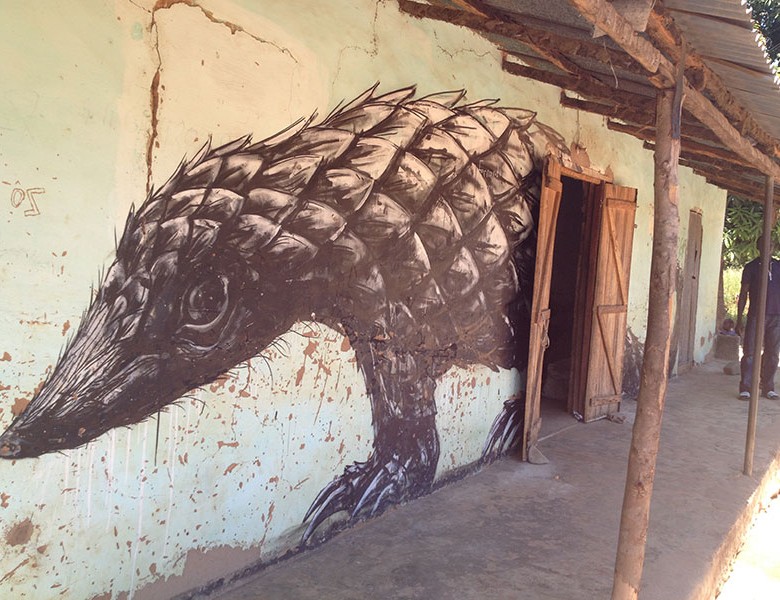
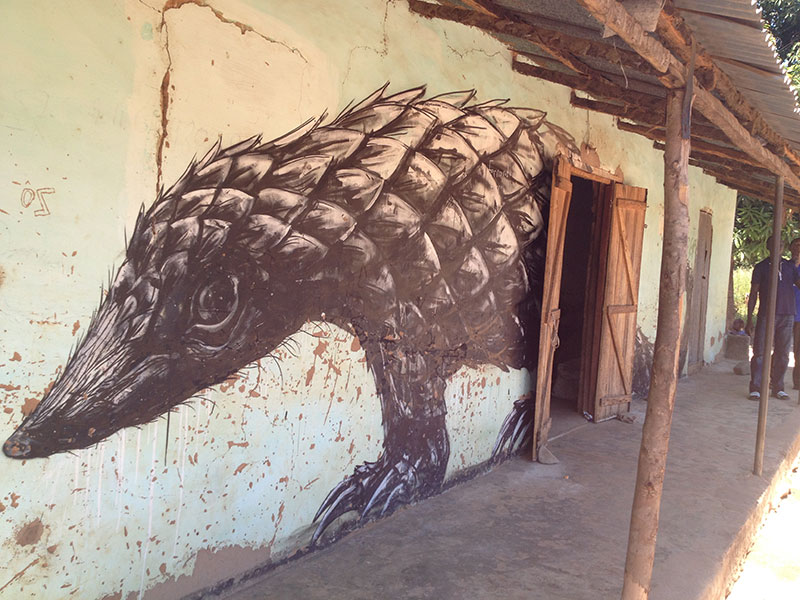
An aardvark painted on the side of a home in the village of Kubuneh (more pictures at the end of the article)
Walking into Kubuneh we quickly realise that this is no typical West African tribal village. From the base of a giant kapok tree, an eerie face peers out, painted white on the bark. Its twisting, elongated visage (reminiscent of Edvard Munch’s The Scream) has a single eye and two crooked rows of clattering teeth.
Farther along, on the side of a hut with a corrugated roof, a multicoloured heron is daubed, its wings trailing extravagant streaks of black, white and grey. A path leads to another simple dwelling decorated with an electric blue lion’s head connected to a man’s body covered in tattoos. From the creature’s mouth billows a “roar” of scarlet paint covering an entire wall. Beyond is the spray-painted figure of an African boy holding a boom-box radio, with a hyena curled by his feet. On the same building, a naked woman is depicted, hunched over as she sets light to a clump of weeds.
It’s as though we’ve stepped into an avant-garde modern art gallery, yet we’re not so many miles from the run of mass-market hotels on the coast that have for years sullied the reputation of The Gambia’s tourism. We’re “up river” — eastwards down the River Gambia, along which this sliver of a country is based. We’re on the edge of a creek by Makasutu forest. This is a “sacred forest” (in the local Mandinka language), filled with mangroves, palms, mahogany, baobab and magnificent kepok trees.
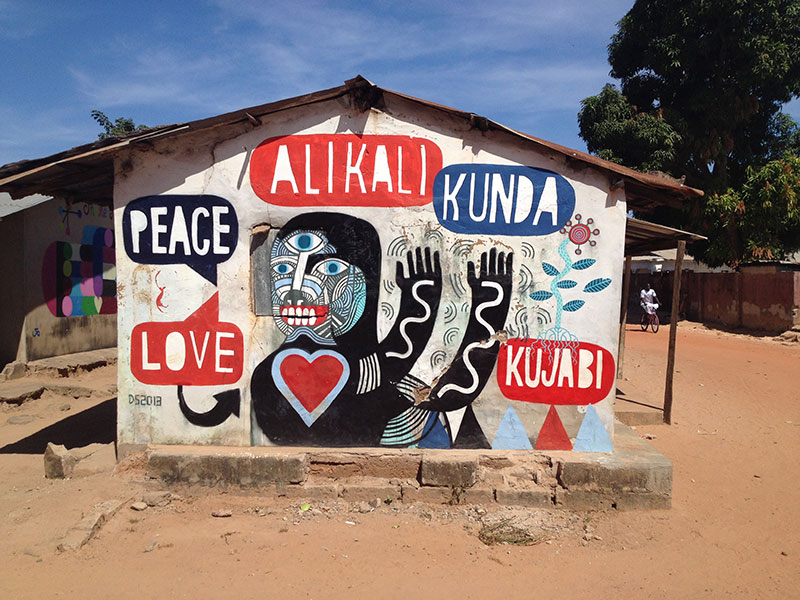
The paintings are the result of Wide Open Walls, a street art project begun by Lawrence Williams, a fortysomething art school and film graduate from Kingston-upon-Thames. He came to The Gambia two decades ago and became involved at the Mandina River Lodge, an eco-hotel that’s about 20 minutes on a pirogue (boat) from Kubuneh. In the past few years Williams has quietly gone about encouraging Gambian artists to paint works in four villages in this remote spot. “It’s all about having fun and creating something magical,” he had told me the night before.
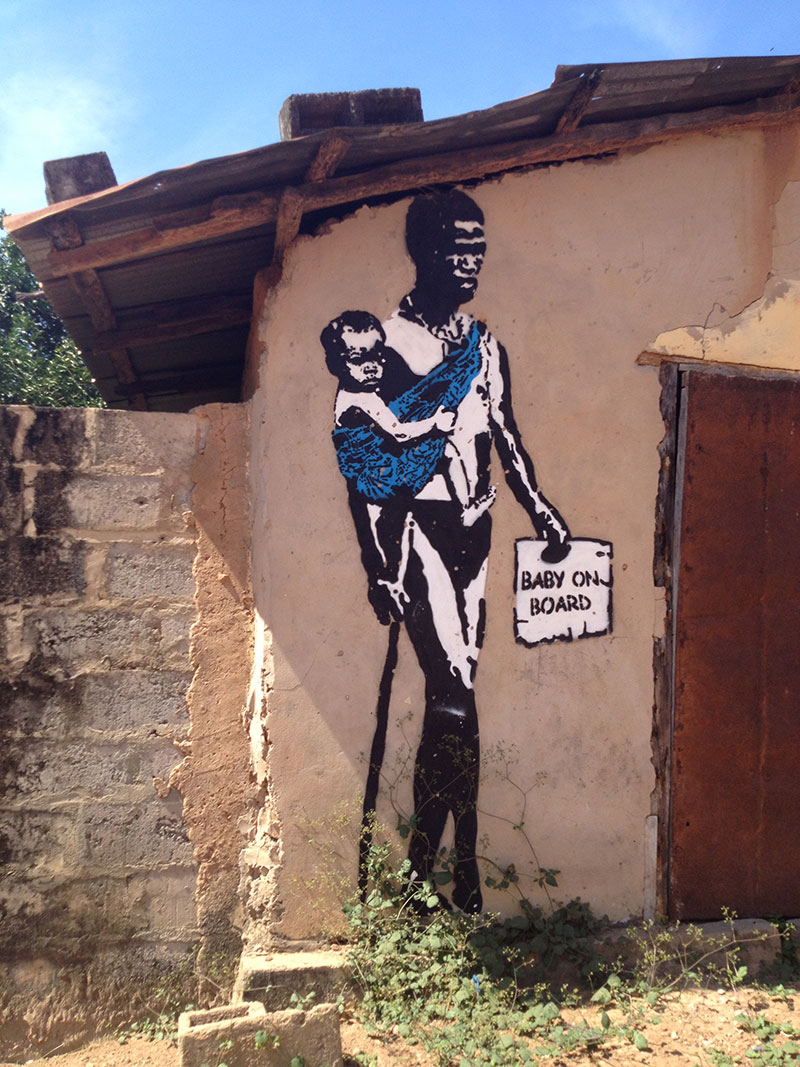
Williams himself has taken on the appearance of a work of art, so covered is he in tattoos, and wearing large circular tribal earrings. We spend a marvellous couple of hours wandering about the red-dirt tracks between single-story homes decorated with anteaters so big they look like dinosaurs, and giraffes with madly curving necks. A lizard with a flickering tongue is depicted clambering up the wall of a café. A tall, thin man is shown with a baby strapped to his back (usually it’s the women who carry youngsters in Gambian villages). He’s holding a sign that says “Baby on board”. A woman with an agonised face is painted on a nearby wall clasping her hands as though praying. Many of the works are by Njogu Touray,known by some as “West Africa’s Banksy”.
Tourism in the Gambia is moving on, with the village paintings just one of a series of projects hoteliers hope will make people think twice about the image of the “Costa del Sol of West Africa”, with its sordid edge of sex tourism involving both male and female visitors. At the Mandina River Lodge, which is decorated throughout with flair by Williams, a 20m tower has been constructed in a new area with a swimming pool by the creek. The top offers brilliant views across mangroves towards the river— a perspective that was previously impossible to see anywhere in the country.
I’m staying at an isolated lodge with stained glass windows that cast yellow, green and blue light on a giant four-poster bed with a huge mosquito net. As well as the striking street art, the highlight of my visit is a “sun-downer” boat ride, departing one afternoon at 4.30pm. I’m expecting a dawdle along the creek and a Julbrew beer (brewed in the capital, Banjul) as the sun drops away. Instead, we are treated to an explosion of birdlife as ospreys soar above, blue-chested bee-eaters flicker past, and cumbersome-looking goliath herons flap out of the mangrove with wing-tips just above the water. We also spot shiny black cormorants, pink-backed pelicans and African darters. The latter are curious creatures with long, thin, S-shaped necks that seem to dance forwards as they paddle in the olive-green water; for this reason they’re also dubbed “snake birds”.
The best is yet to come. Down a tributary creek we arrive at a series of trees covered in brown blobs. On closer inspection these turn out to be black kites, and soon they are taking to the royal blue sky, circling madly as if the scavengers are about to come for us (it’s all a bit Alfred Hitchcock’s The Birds). Then we arrive at a small island where egrets are coming home to roost for the evening. Trees are almost entirely covered in white. At least a thousand birds squawk and screech — including many squadrons that turn up as we watch. All five of us on the tiny motorboat are for a while speechless; transfixed by the “show”.
Well-organised birdwatching tours are another way that officials hope to reposition the country’s tourism. While the politics of The Gambia have been fraught — the nation recently abruptly left the Commonwealth and President Yahya Jammeh has been accused of being increasingly autocratic (no local I talked to dared go on the record about him) — the reality is that holidaymakers are crucial to the livelihoods of many. Each job in tourism is said to provide for between 10 and 15 dependents.
I visit the Sandele Eco Retreat in the village of Kartong, close to the southern border with Senegal on the Atlantic Ocean. Solar panels provide electricity and clever ventilation systems are used in the four main lodges and the 20-room annexe. These work well: no need for air-conditioning. Instead of using wooden beams, ceilings are made of a lime “concrete” of ground oyster shells collected from the roots of mangroves.
Local craftsmen make the pretty jewellery sold in the shop; one has earned enough from sales to build his own house. The British owners Geri Mitchell and Maurice Phillips — who used to work in social services in the UK — intend eventually to pass on the resort to the local community. There are a lot of Brits in The Gambia, which was a British colony until independence in 1965. Mitchell told me that they aim to complete six further lodges. Each is plush, with big double beds, dome-shaped roofs and plunge pools — as well as ten more rooms in the annexe. They first opened with a couple of rooms in 2008, and have become a magnet for tour operators offering yoga breaks.
Sandele is just one of several new hotels that have opened over the past few years (see panel). As well as the glamorous Coco Ocean, which has a first-class spa and a whitewashed, minimalist Miami South Beach style, there’s the hippest new arrival: Leo’s Beach Hotel. This is on a quiet stretch of the coast, on a cliff, with great views across the Atlantic. It’s a handful of miles from the town of Senegambia, epicentre of the liveliest and some of the shabbiest tourism, where prostitutes and bumsters (hustlers) are commonplace.
Leo’s consists of five smart bedrooms and a large suite. The Austrian owners Nina Waitz and Alois Weiss fell for The Gambia during a holiday in 2009 and gave up jobs in publishing in Vienna to create an angular Bauhaus-style hideaway set around landscaped gardens with baobab and mango trees. They too have installed solar panels that work so well they are contributing electricity to the local grid. “It is nice to be self-sufficient,” says Waitz over coffee in their laid-back bar.
I go on a day-trip along the River Gambia to Jufureh, to see where Alex Haley, the American author of Roots, traced his ancestry back to the slave Kunta Kinte. It’s a gorgeous sunny day that begins in Banjul, close to the grand archway celebrating President Jammeh’s rise to power; no traffic is allowed to pass under the arch, and the rumours are that this is because its foundations are too weak. We chug along the river, passing the rugged tropical outline of Dog Island, before coming to a weather-beaten jetty. This leads to a statue of a figure holding his hands aloft clutching broken chains. A sign says: “Never again.”
Then we take in the Slavery Museum, which tells the story of tens of thousands of Senegambians (those from Senegal and Gambia) who were transported to the United States to work on plantations; many died because of the terrible conditions on the slave trade ships. Farther on, we meet the chief and make donations to the village. A guide tells me that he has met the civil rights leaders Louis Farrakhan of the Nation of Islam and Jesse Jackson, as well as Jermaine Jackson of the Jackson Five. Tourist cash, he says, now keeps the village going.
Among the holidaymakers on the boat back to Banjul — after seeing the slave fort on James Island — I talk to Monica Gordon from Cheam. Her mother emigrated to the UK from Jamaica in the 1950s. “Black history is not taught at all in schools in Britain. My kids have been taught nothing,” she says. “That’s why I’m here.”
Yes, the Gambia still has its tacky spots. Yet there’s a feeling of regeneration going on and plenty of reasons to go: boutique hotels, spas, Banksy-style art projects, stylish eco-resorts with yoga pavilions, world-class birdwatching tours. Don’t let the bumsters put you off.
Getting there
Tom Chesshyre was a guest of The Gambia Experience (0845 3302087, gambia.co.uk), which has a ten-night break with three nights staying at Ngala Lodge (B&B), Mandina River Lodge (half-board) and Coco Ocean (B&B) from £1,549pp, flights and transfers included.
Reading The Gambia (Rough Guide, £12 on Amazon). Water Music by T. C. Boyle (Granta, £7.99) is a fictionalised version of Mungo Park’s journey to discover the Niger River in the 18th/early 19th centuries.
Where to eat
The Calypso beach bar (00220 9920201) on Cape Point is a laid-back restaurant/bar selling tiger prawns with rice (about £12); it overlooks a crocodile pool and the outline of Senegal can be seen in the distance. The Rainbow Beach Bar (rainbow.gm) in Sanyang in the south has a backpacker feel, and offers chicken wraps and fish curries for about £5; Julbrew beers are about £1. The Gaya Art Café (gaya-artcafe.com), close to Senegambia but removed from the main strip of nightclubs, has a selection of tapas including coconut-covered prawns with soy sauce, hoummos and calamari, plus seafood salads and steaks; three courses about £15.
Further information
The Gambia Tourist Board (visitthegambia.gm). The main season is from September to April, although tourist officials are keen to point out that during the rainy season (May to October) rains usually last for only an hour at a time and quickly clear away. Visitors should take antimalarial medication. Flights from London take six hours and there is no time difference.
Ngala Lodge (www.ngalalodge.nl) is an 18-room boutique with a main building and two wings, completed in 2008. Modern and African art are mixed and there is a pool on a secluded terrace. The hotel is on a red-rock cliff with steps down to a wooden deck on a private beach. The restaurant serves excellent tiger prawns, seared tuna, salads and dorado chicken (in a peanut sauce). B&B doubles are from £150.
Leo’s Beach Hotel (leos.gm) is great value with B&B doubles from £91. It opened in January 2013. All the rooms have private balconies and the interior design would not look out of place in the pages of Wallpaper* magazine. There’s a lounge with a Mungo Park theme.
The Sheraton (sheratongambiahotel.com) is the best for families, with a massive central pool and a children’s pool, a long way from all the hustlers on the main street of Senegambia. It opened in 2007 and has 181 rooms; it’s the only international brand hotel in the country. There’s table tennis, a mini basketball court for children, a spa and a beach bar. B&B doubles are from £96.
The Kairaba (kairabahotel.com) can be found in Senegambia, but it is self-contained and it’s possible to stay without experiencing the bustle in the centre of the resort. The grounds are pretty, with sweeping lawns, and there’s a big main pool, with loungers. Rooms are comfortable and B&B doubles are from £115.
Mandina River Lodge (mandinalodges.com) is about an hour’s drive from the coast along a tarmac road heading to the interior and then down bumpy dirt roads. There are nine lodges, each well separated from the other for privacy; three are floating lodges on the creek. The centrepoint is a snaking pool next to three thatched open-sided buildings where food is served. Half-board doubles are from £220.
Coco Ocean Resort & Spa (cocoocean.com) is the slickest hotel and where visiting politicians usually stay. The main pool is on three levels on an elaborate central terrace leading to a private beach. There’s a good Thai restaurant and a swish spa (massages from about £30 an hour). B&B beach club doubles from about £260.
Sandele Eco Retreat (sandele.com) has the greenest credentials of all the country’s hotels, with the owners pursuing a carbon neutral policy. It’s far removed from the bustle of Senegambia and boat trips are organised to go on rivers close to Senegal. Rooms in the “lodge”, with its plunge pools, are from £80 per person per night, while those in the guest rooms are from £60 per person per night.
First published in The Times, December 21 2013
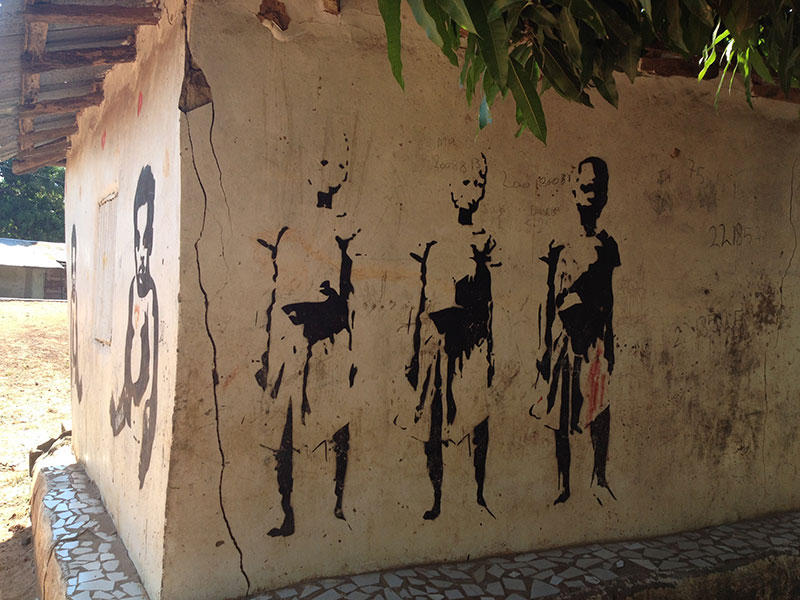
More street art in Kubuneh
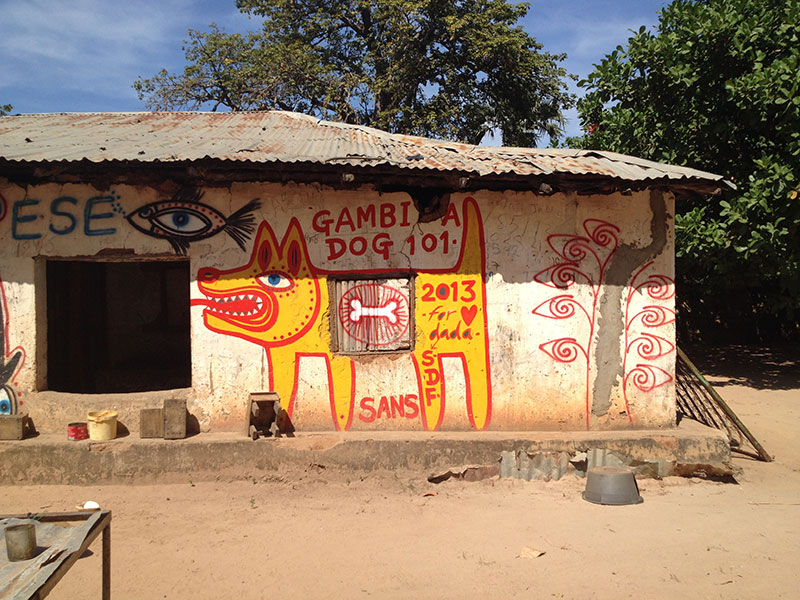
The “Gambia dog” in Kubuneh
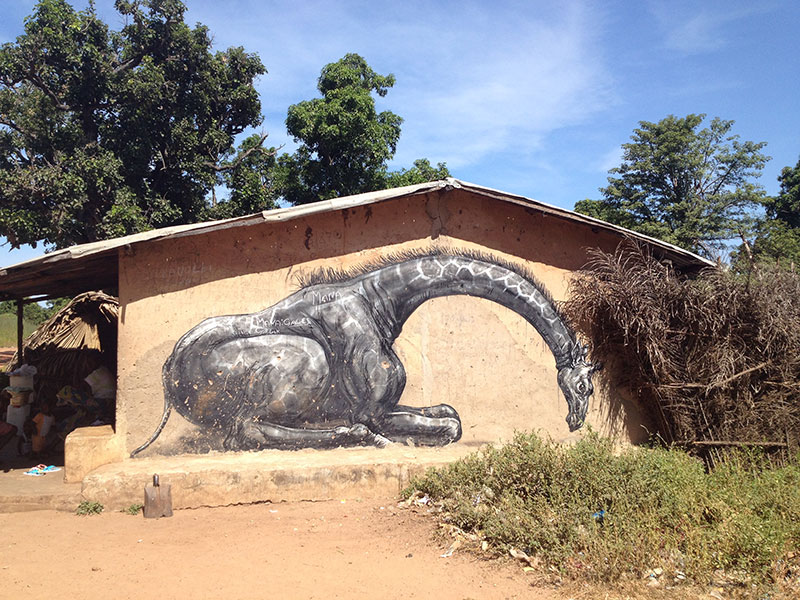
More street art in Kubuneh…
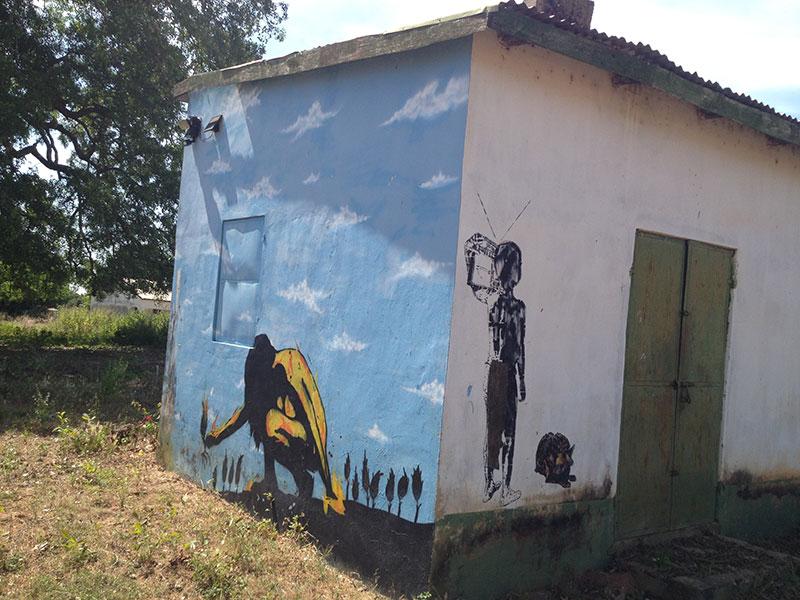
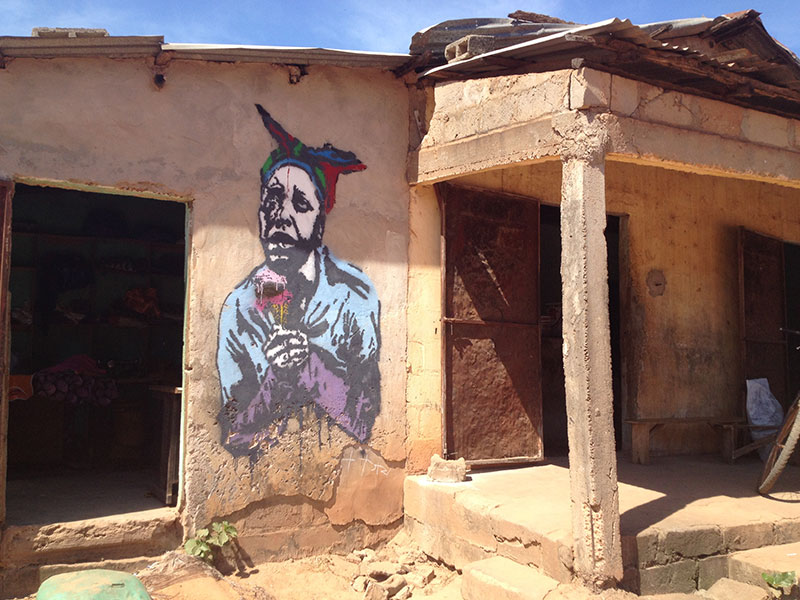
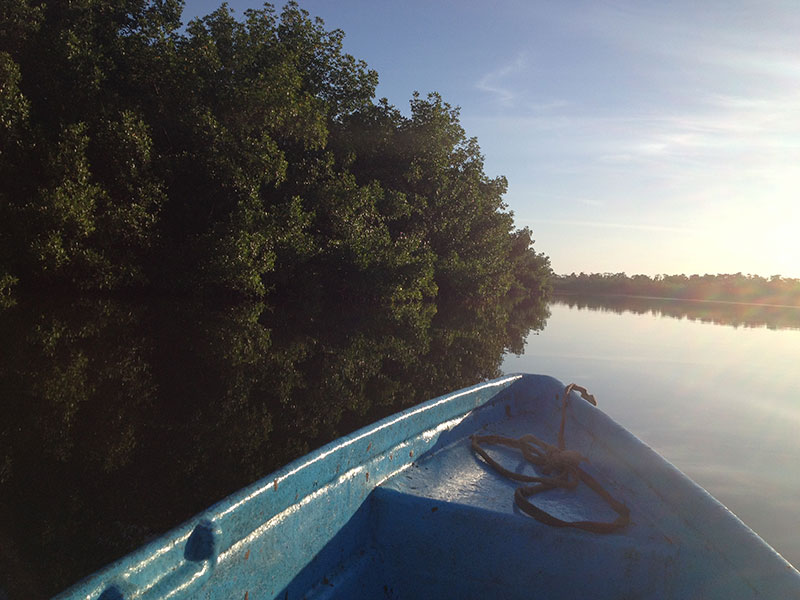
On a creek close to Mandina River Lodge
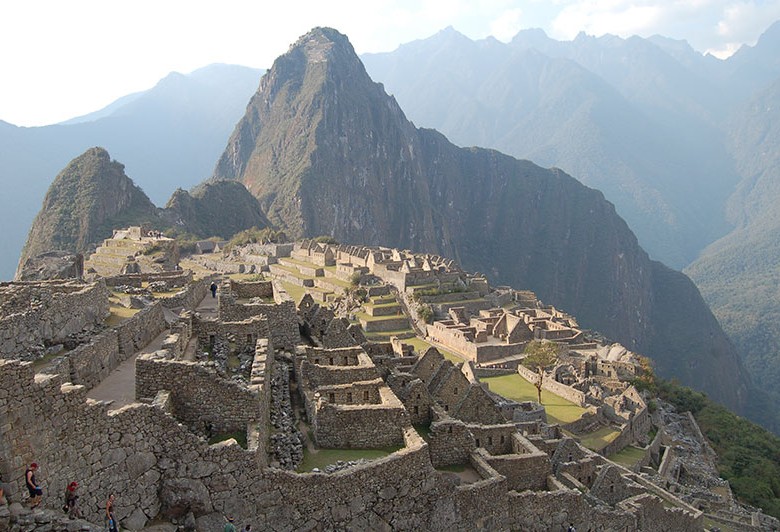
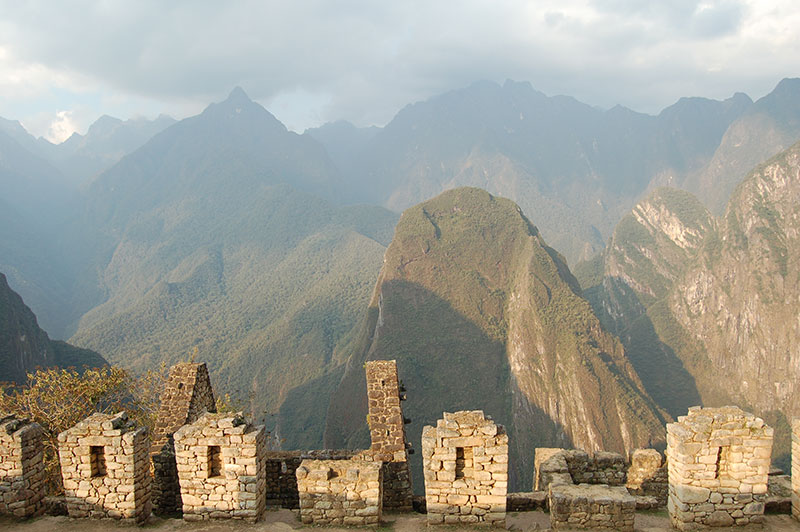
View at Machu Pichu (more pictures at the end of the article)
THE guinea-pig stared at me. I stared at the guinea-pig. Then I took a deep breath, counted to three — and ate it.
There’s much more to visiting Peru than taking in Machu Picchu, the 500-year-old “lost city” of the Incas, which is considered the must-see attraction of South America — and eating guinea-pig, a local delicacy, is one of the more memorable diversions.
It tasted awful, although it looked, on first inspection, rather natty. With great aplomb, brandishing trays on shoulders, a team of waiters had brought forth our roasted creatures (with side orders of chips). Each guinea-pig, front legs perched on a sweet potato, wore a half-tomato “cap” with a decorative mint sprig. The animals’ mouths were propped open by slices of carrot in what disconcertingly seemed like hey-how-you-doing smiles.
How to eat it? Our guide advised hands: “It tastes better that way.” We tentatively pulled at haunches. Jon, sitting opposite, was having a minor fit. “I don’t want to think it’s a blinkin’ rat,” he muttered. Natasha, our only non-eater, had already stomped off, with a parting: “All of you, you’re all monsters!”
It was hard to disagree. The meat had a metallic, fizz-on-the-tongue aftertaste. And despite my best efforts, I couldn’t help imagining the cuddly things scurrying across the floor of a village hut, as we had seen them just a day before, on a visit to Ollantaytambo.
Visiting Peru consisted of a sequence of indelible memories, the highlight of which was undoubtedly Machu Picchu. But tour operators are increasingly aware that the breathtaking sight has become a victim of its own success: on some days more than 3,500 people scamper over its ancient terraces. Which is why many, including Cox & Kings, the company I travelled with, are now highlighting visits to other parts of Peru, and other experiences (small-animal eating being just one of many), along with trips to the famous Inca ruins.
We were staying for four nights at the Libertador, a four-star hotel in Cuzco — just around the corner from the pretty Plaza de Armas with its fountain, church and cathedral. The latter includes a giant 18th-century painting of the Last Supper, which featur- es, as its centrepiece, a rather scrawny-looking guinea-pig.
The idea of our week-long whistle-stop trip was to see as much of the region as possible, including sights that many tourists fail to visit because they are so obsessed with the Big Attraction. We were leaving the now-well-and-truly-found city till the final day — planning to visit in style on the Orient-Express train Hiram Bingham, named after the American who was the first outsider to come across Machu Picchu in 1911. It turned out to be a great way of dividing our time.
“We will try to avoid the crowded places,” said Carlos, our guide. “First, we see Sexy Woman!” He was referring to Sacsayhuaman, which is pronounced just like “sexy woman” — and is presumably “Gag Number One” in the “Get Them Laughing” Cuzco tourist studies exam.
Sacsayhuaman is a fort overlooking Cuzco. It was built in the 15th century and it was here that the Incas launched a counter-attack against the Spanish conquistadors, who were led by the ruthless Francisco Pizarro, in 1536. Pizarro’s men, who had arrived in Cuzco four years earlier, won the day. “It was bloody — the Incas’ last stand. After this it was all over for them,” said Carlos.
Outside the walls, three children, aged about 8, dressed in traditional multicoloured outfits, were offering themselves for pictures — one had a green parrot on his head, another held a rope attached to a fluffy white llama, “Please mister, take picture. One sol,” they said. One sol is about 20p.
Poverty is rife, despite the tourist boom. Street urchins prowl Cuzco at night, hanging on to people’s clothes and demanding soles in exchange for grubby packets of gum. Muggers and pick-pockets are, however, rare — a decade ago they were common. Better policing and a realisation that tourism is the region’s “golden goose” have been key, said Peter Frost, author of Exploring Cuzco, the best guidebook, who I met in the hotel bar one evening.
Some locals blame hardships on Peru’s colonial past. One of our guides in Lima — who had shown us the ruins of Caral, recently discovered 182km (110m) north of the capital and considered the oldest in the New World — surprised us by saying: “If only we’d had the British, not the Spanish. The real problem with us is we had the wrong colonialists!”
After seeing other battlements above Cuzco, we drove to the salt pans of Maras. They are spectacular. Since Inca times, farmers have operated evaporation pans, taking advantage of an underground salt supply; proof that this part of the Andes was once beneath the ocean. There are about 3,000 pans, each about 5ft by 10ft and coloured a shade of cream, white or ochre-brown, depending on the stage of processing. Together they look like a huge, lopsided artist’s easel.
Near by is Moray, another astonishing Inca sight. Three enormous circular terraces are built into the landscape, where the Incas used to encourage crops to grow at different levels (where there are markedly different temperatures) so they could adapt to varying altitudes. Amazing evidence of ancient science; although many “New Age” tourists claim it’s a UFO site.
We saw Ollantaytambo, another fort, believed to be shaped like a giant llama. No one is sure if this is true, partly because it has been damaged and partly because the Incas left no written records. “Inca theories are 60 per cent incorrect, 30 per cent have a chance of being true, and only 10 per cent are correct,” said Carlos, a 10 per cent man.
And so to Machu Picchu, 90 miles northwest — the most remarkable place I have visited, and I include the pyramids in Egypt and Petra in Jordan. The crowds were thin — we had arrived at 2pm on the Hiram Bingham when most people were having lunch.
The views and setting were mind-blowing, everything we had imagined and more. We snapped away and soaked up the scenery — thankful that this had been left to the end of the trip as anything afterwards would have been an anti- climax. We also agreed that while Machu Picchu is not the be-all-and-end-all of Peru, it clearly must, as Unesco hopes, be protected.
Unesco, we learnt, wants a 2,500-tourists-a-day limit, and a plan of this sort looks set to be put in place soon, along with a ticket price rise from the current £15. Authorities put a similar restriction on the numbers using the Inca Trail trek to Machu Picchu in 2001; now only 500 a day can go, porters included, and it must be booked 45 days in advance.
On a terrace looking across the mesmeric valley, I met Yashpal, a “naturopathetic physician, mystic minister and ambassador of the peoples’ world” (so said the card he handed me), from Port Townsend, Washington, in the US. “Wow! These peaks round here, man . . .” he said dreamily, wearing a white floppy hat, but no shoes, so he could be “more connected to the earth”.
“These peaks, man. You can just imagine this as a temple of nature, why they wanted to be here. Man, they just must have worked with nature . . . to have been totally at one with nature, man.”
Maybe, man, I thought. But not with the guinea-pigs. They would have eaten those.
Getting there: Tom Chesshyre travelled to Peru with Cox & Kings (020-7873 5000, www.coxandkings.co.uk) which offers a similar luxury, tailor-made eight-day tour from £2,360pp. A nine-day Highlights of Peru group tour, including a night at Machu Picchu, costs from £1,395pp.
Red tape: No visa required.
When to go: Best weather is from February to October. Guinea-pig: Kusikuy on Calle Suecia in Cuzco is the most traditional guinea-pig restaurant; ask your concierge to book it.
Reading: Exploring Cusco by Peter Frost (Nuevas Imágenes, £7.50); Peru (Rough Guides, £12.99). Notebooks of Don Rigoberto, by Mario Vargas Llosa (Faber, £7.99).
Further information: Latin American Travel Association (www.lata.org); Perurail (www.perurail.com). Altitude sickness: To minimise risk, spend as long as possible acclimatising to places higher than 2,500m (8,200ft), such as Cuzco, before doing any strenuous exercise.
First published in The Times, January 28 2006
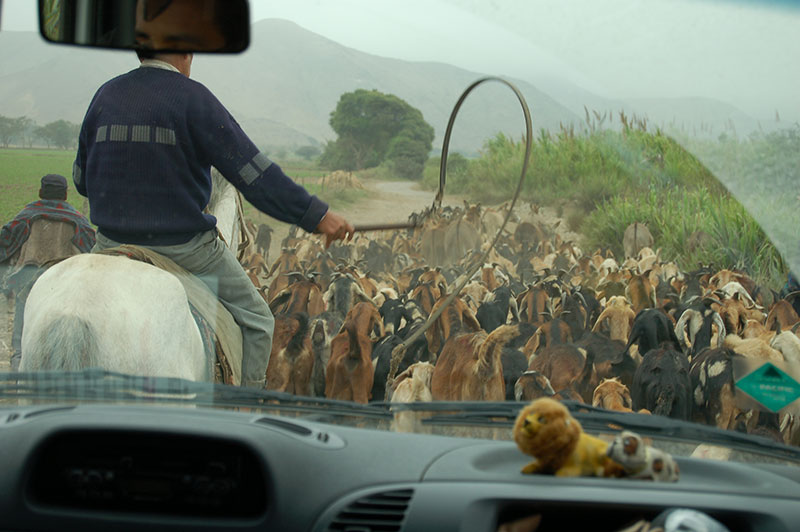
Traffic jam near Lima
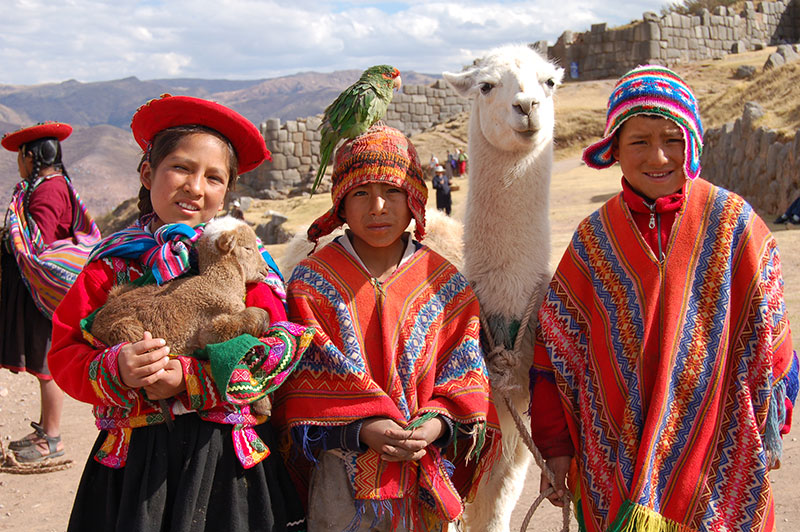
Spot the llama in Cuzco
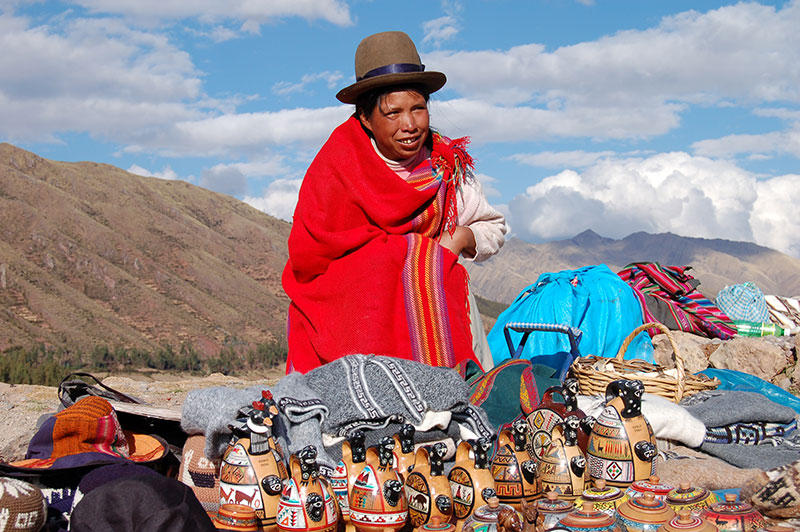
On the edge of Cuzco
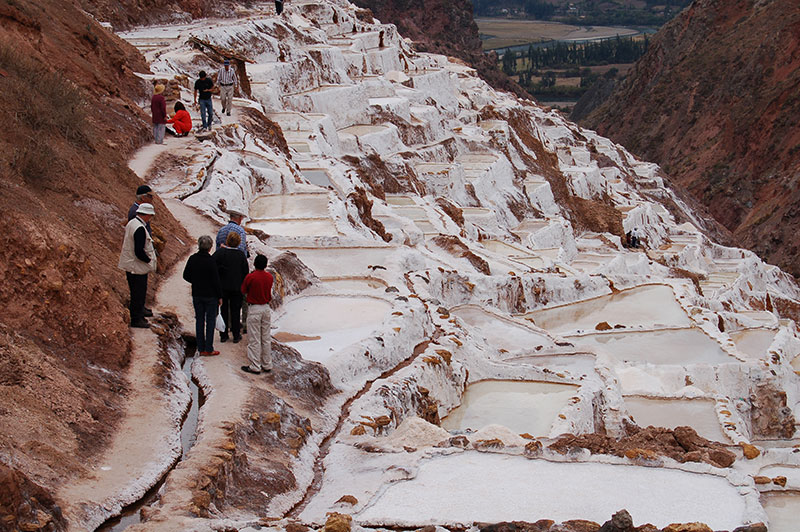
Maras salt pans
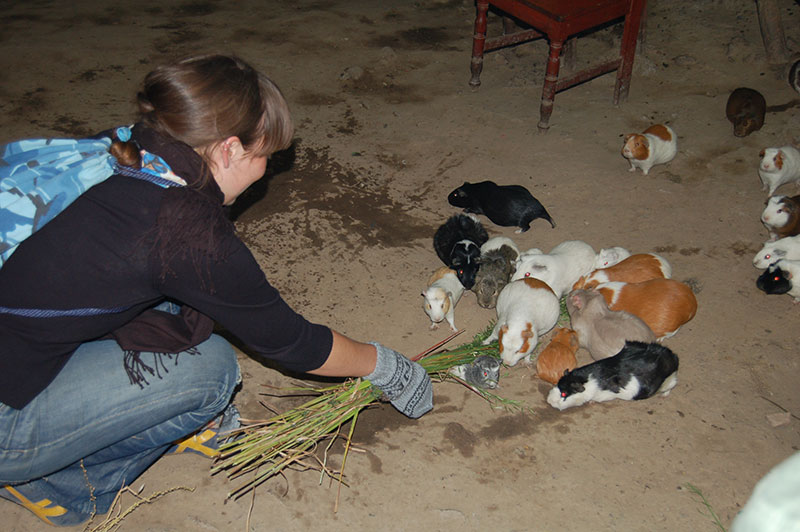
Guinea-pigs at local home
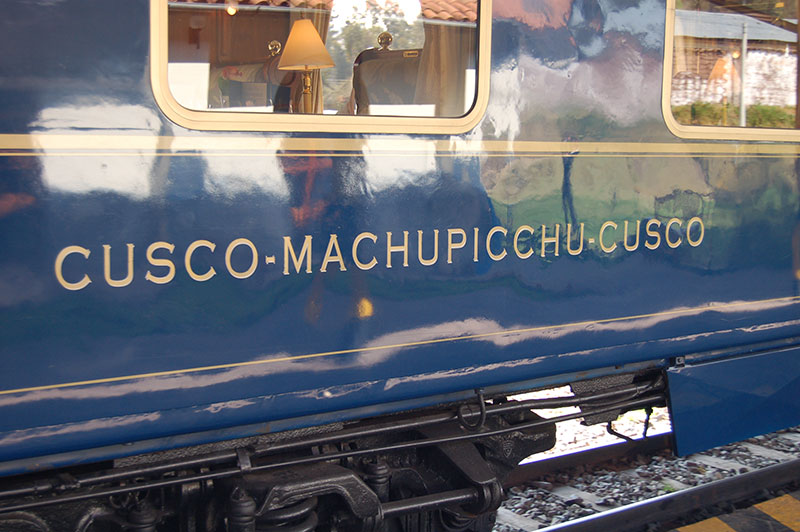
The Hiram Bingham train
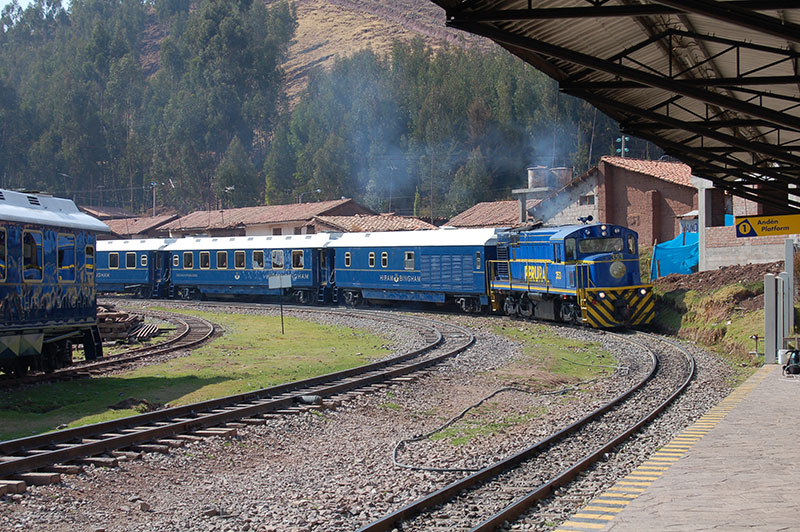
The Hiram Bingham
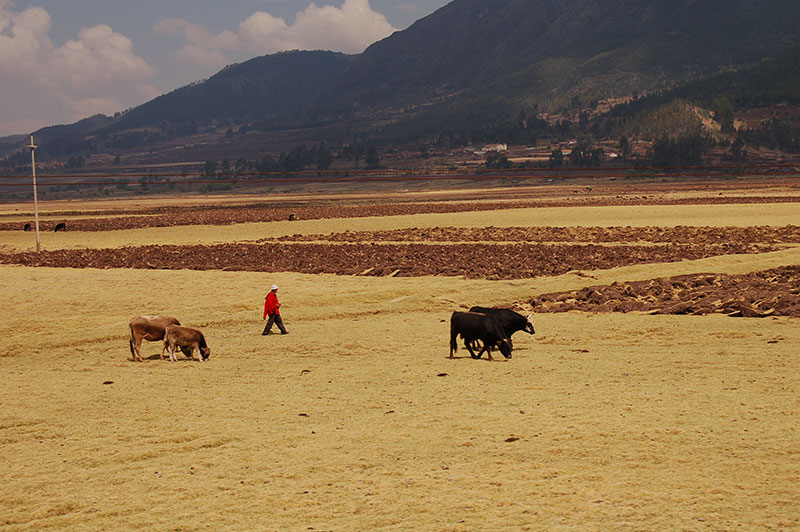
View from the train
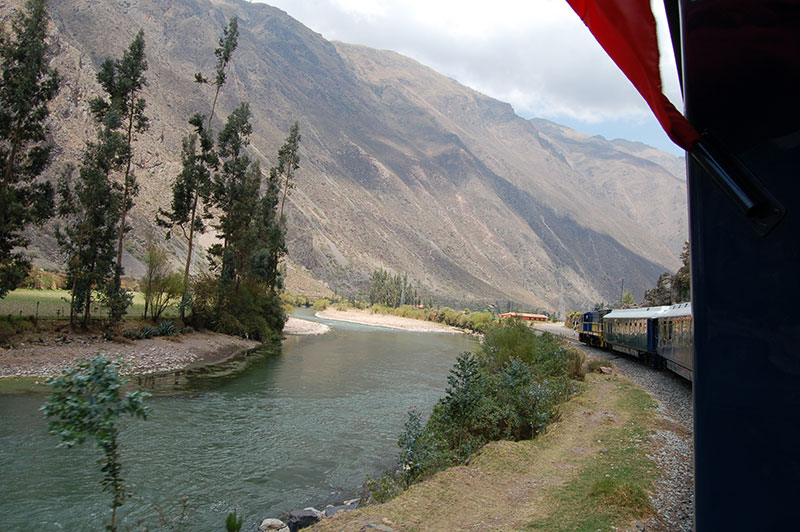
View from the train
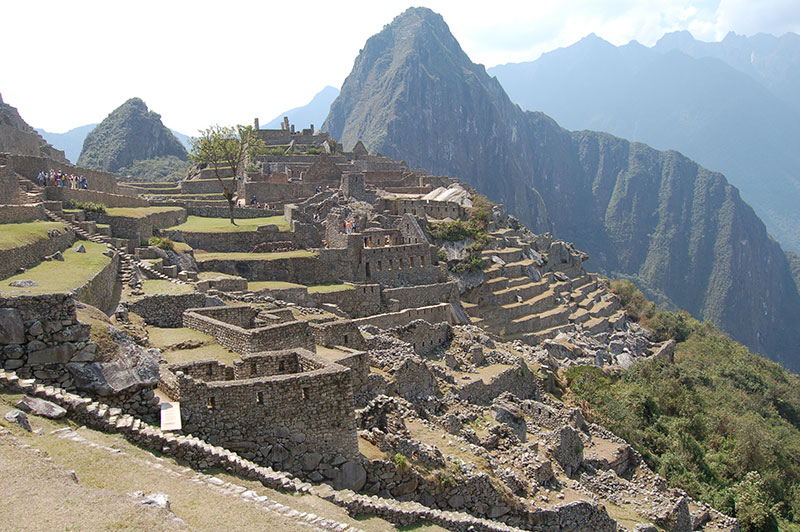

Machu Picchu
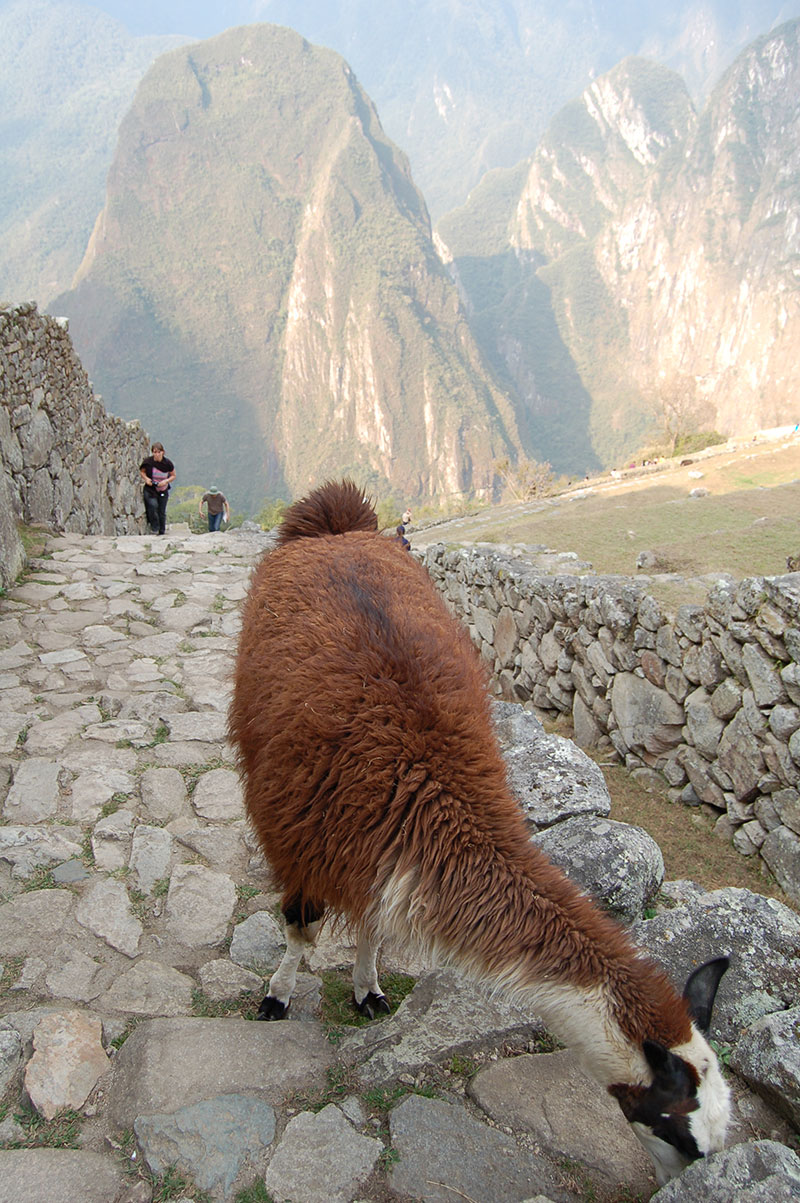
Llama at Machu Picchu
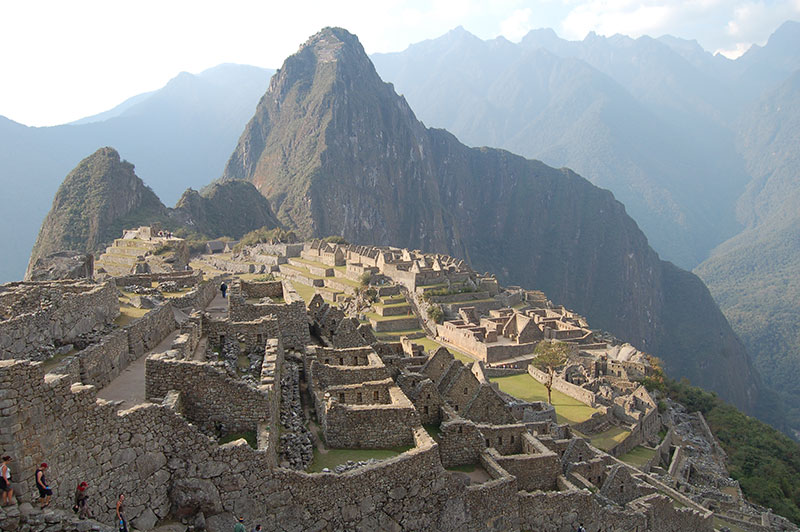
Machu Picchu
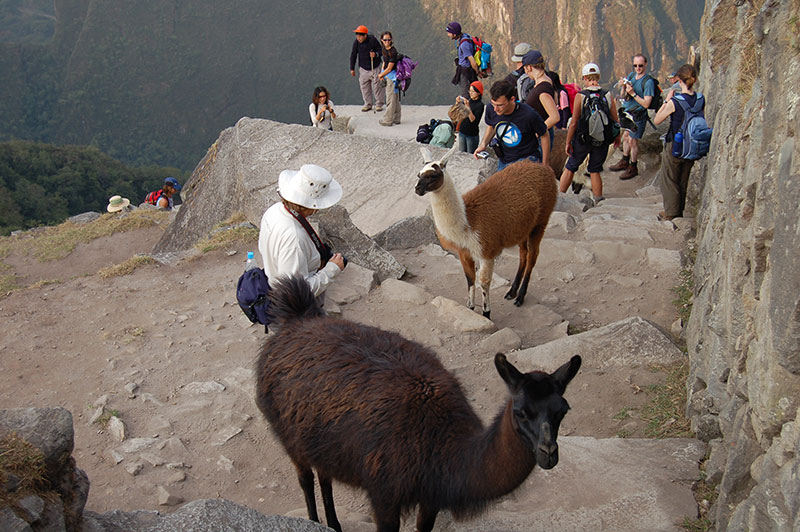
More llamas at Machu Picchu
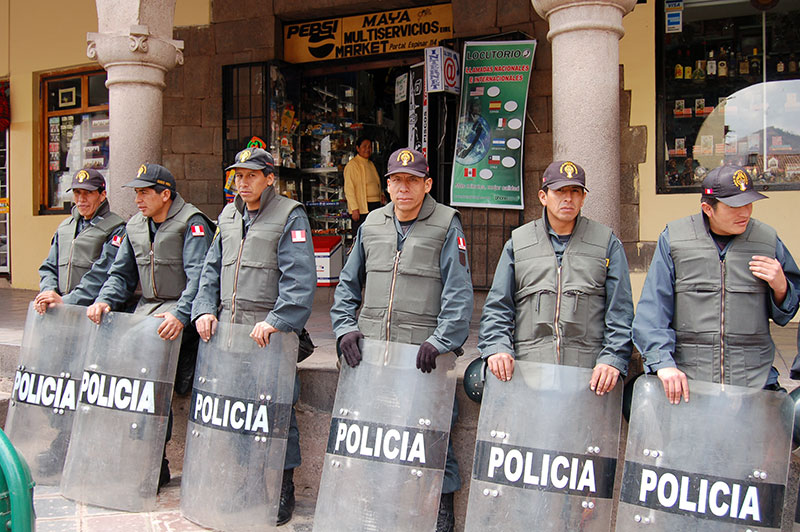
Unexplained arrival of riot police in Cuzco
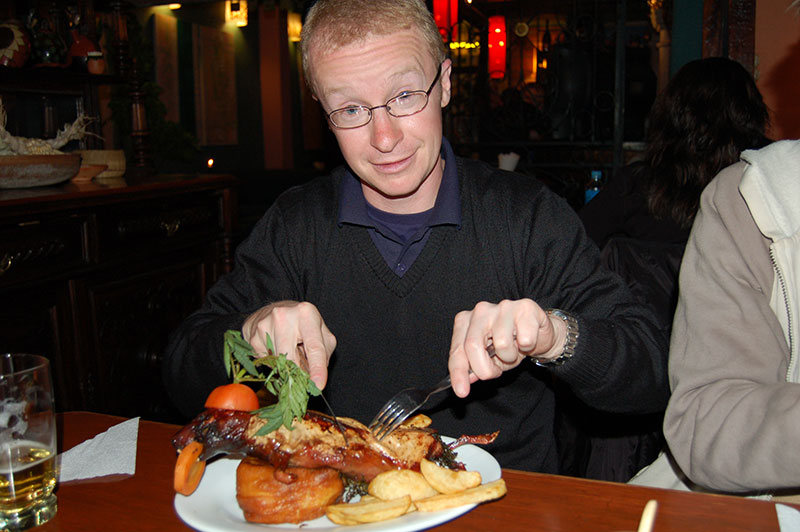
Eating guinea-pig
HALFWAY up a mountain on a remote stretch of Jamaican coast – far from the round-the-clock daiquiris of Montego Bay’s all-inclusive resorts – I’m on a 007-style mission with a twist. I’m going birdwatching.
For James Bond, as Ian Fleming created him, this might have meant posing in a casino with a Martini – not a daiquiri, of course – raising an eyebrow to attract a Pussy Galore or a Kissy Suzuki. But I have a pair of binoculars, my shirt is soaked (the humidity is intense), flies are nipping at my ankles and I’m surrounded by thick jungle.
A tiny yellow bird, a bananaquit, flashes by. A white-crowned pigeon lands on the path ahead, then strolls forward as though it has joined us for a walk. A red-billed streamertail hummingbird buzzes above.
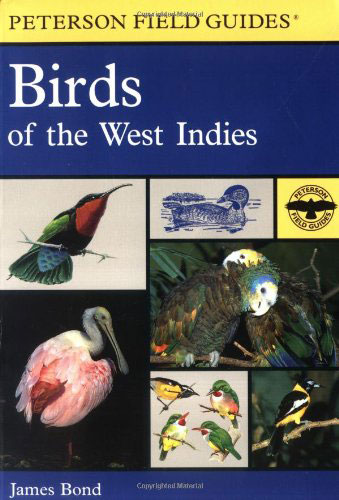
I consult Field Guide to Birds of the West Indies, first published in 1947. This excellent book has long been the bible for twitchers in the Caribbean, but its author has achieved fame of another kind that has nothing to do with knowing your yellow-throated vireo from your white-tailed nightjar.
James Bond was an American ornithologist based at the Academy of Natural Sciences of Philadelphia. When Ian Fleming, himself a keen birdwatcher, sat down in February 1952 to write his first Bond novel, Casino Royale, the story goes that he glanced at a bookshelf, saw Bond’s guide and took a liking to the name.
“That’s definitely how it happened,” says Carolyn Turland, one of the guides from Reliable Adventures Jamaica, which offers rainforest walks on Bluefields mountain in the southwest of Jamaica. Fleming wrote his 14 Bond adventures at his villa, Goldeneye, on the north coast.
“He phoned James Bond and he asked him if he minded having his name used. Bond said: ‘Fine by me.’ My aunt knew Fleming. She lived by Goldeneye. My uncle sold him the land. We used to go swimming on the beach by the villa when we were kids. Fleming was only there in the winter; we would go when he was away.”
This tale, Turland says, was well known locally, and it fits in with Fleming’s own explanation of the name. He later met the ornithologist and introduced him to the people he was with at the time as “the real James Bond”.
Whether or not he was joking, taking Bond’s book to Jamaica is a useful way to see another side of a Caribbean island that is often written off for its gawdy hotels and high crime rate (mainly confined to tough parts of Kingston, the capital).
As we climb slowly up a hot and humid path, birds of all varieties flutter past, some darting into the emerald-green undergrowth. We peer into the foliage with our binoculars to catch glimpses of their bright plumage.
Jamaica has about 300 species of birds, including 22 that are endemic, Turland and her husband, Vaughan, tell me. Both are dressed sensibly in khaki (my white shirt, they say, might scare off birds) and are wearing trousers and boots, which keep away the flies (I’m in sandals).
We spot a worm-eating warbler with distinctive white markings on its head. A peregrine falcon soars above a clearing full of scarlet butterflies. A rufous-tailed flycatcher hops on to the branch of a mango tree.
It’s a wonderfully peaceful place.
Vaughan is a big fan of James Bond, the ornithologist, who first visited the Caribbean in the 1920s. “He was a real treasure,” he says warmly. “He was light years ahead of his time. His guidebook is just a magic book for the whole Caribbean. There have been a lot of books since then – with more colour plates and more technology used – but I don’t think you can beat it.”
We are accompanied by two local guides, Veda Tate and Deceita Turner-Grant, who are employed by Reliable Adventures Jamaica, which began in 2003 aiming to promote eco-tourism and to provide local jobs. After taking in a long lime-green lizard that Veda describes as a “green guana; it eats insects”, she points dramatically at a treetop.
“A patoo!” she exclaims. “A what?” I ask, looking upwards at what appears to be a branch. “A patoo! There!” And then I see it: a giant owl with an enormous mouth that looks like the face of the Joker from the Batman films. “He’s moving. Oh my God, he’s opened his eyes! I’ve seen the patoo’s eyes for the first time!”
The owl is nocturnal, hence the rarity of seeing it awake.
Veda’s enthusiasm is infectious. “I love birds, just love them,” she says. “When I’m in church, sometimes a bird will fly in through the windows, a bananaquit maybe. I will look at it and forget everything, not pay any attention to the sermon.”
Deep in the jungle, we spot a Jamaican tody, a tiny green and white bird with a red circle under its bill. Another hummingbird buzzes above. Everywhere we look there seems to be birdlife: we end up seeing 30 species in half a day.
We go for lunch down the mountain at the Ocean Edge restaurant, a basic wooden structure with a corrugated roof and adverts for “overproof rum”. No vodka martinis on the menu (shaken or stirred).
Two magnificent frigatebirds with 3ft wingspans sail in the thermals above the Caribbean sea. Vaughan says: “They’re real devils. They frighten the seagulls and steal their food.”
Then he discusses eco-tourism in Jamaica and the country’s “image problem”. His mood turns serious: “Everyone talks about crime and Rastas and all that when they mention Jamaica. It’s so frustrating. You watch a TV programme and everyone’s smoking ganga. But that’s not representative of Jamaica. There’s a whole lot more to the country than that.”
After a day on the Bluefields mountain playing the part of the “real James Bond” on the island where Bond came into being… I can agree with that.
Quantum of Solace, the new James Bond film, is released on October 31.
Getting there Virgin Atlantic (0870 5747747, www.virginatlantic.com) has return flights to Montego Bay from £672.
Stay Island Outpost (www.island outpost.com) offers rooms at Jake’s hotel, near Bluefields mountain, from £60. The company also has a week-long stay in Jamaica with two nights at Jake’s, two at Strawberry Hill in the Blue Mountains, two at Gee Jam on the northeast coast and a night at the Goldeneye estate, all inclusive, costing £687pp. A night in the villa in which Ian Fleming wrote Goldeneye costs from £1,618 for six, with meals and private beach.
Birdwatching Reliable Adventures Jamaica (www.jamaicabirding.com) offers half-day, five-hour birding tours from £45, lunch included. Hotel transfers can be arranged: one hour from Montego Bay and Negril.
In Die Another Day Pierce Brosnan disguises himself as an ornithologist and carries a copy of Field Guide to Birds of the West Indies in one scene. Latest editions of the guide by ornithologist James Bond are available on www.amazon.co.uk.
The films Dr No and Live and Let Die included scenes shot in Jamaica. Ursula Andress famously emerged from the water on the beach of Laughing Water in Dr No.
For Your Eyes Only: Ian Fleming and James Bond, by Ben Macintyre (Bloomsbury, £20).
On the Tracks of 007 by Martijn Mulder and Dirk Kloosterboer (£20, www.onthetracksof007.com)
The Imperial War Museum (www.iwm.org.uk) is holding a major exhibition on Ian Fleming and James Bond until the end of February, admission £8.
Lastminute.com is offering “Spy Academy” day courses from £39.50 in Hertfordshire and Buckinghamshire, with instruction on using hidden cameras, shooting and “axe throwing”.
First published in The Times, October 25 2008
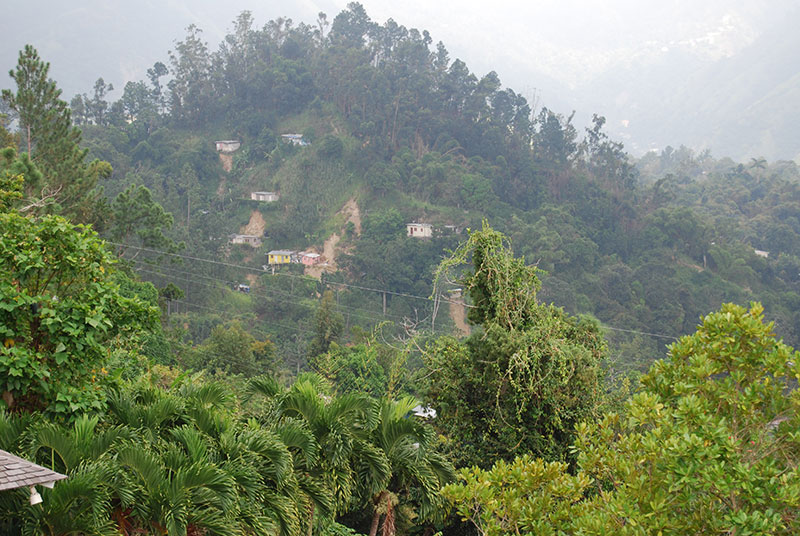
View from Strawberry Hill
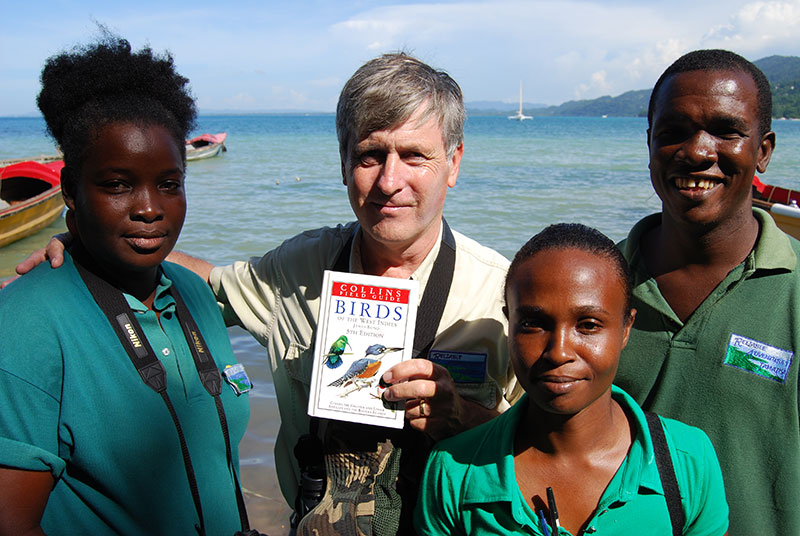
Guides on birdwatching tour
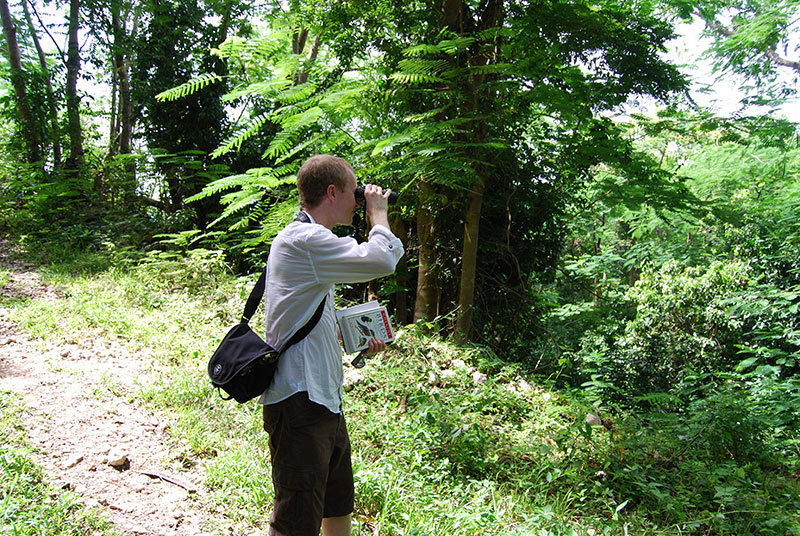
Birdwatching with Bond’s book
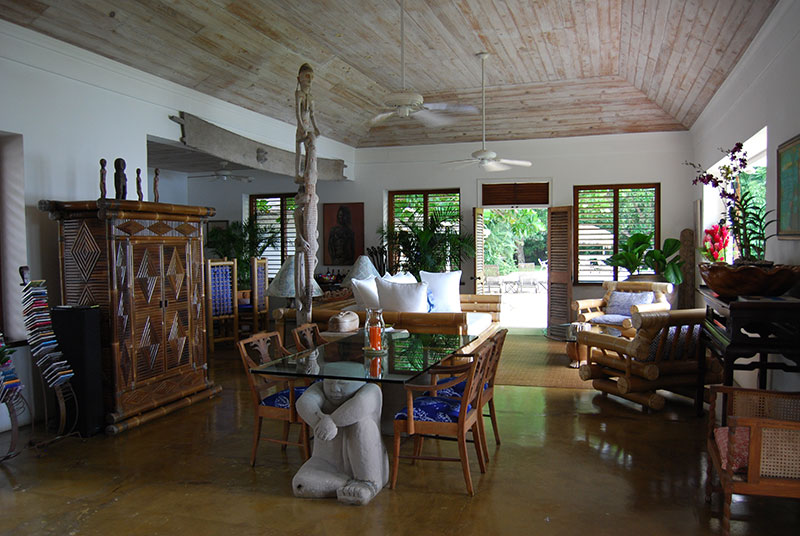
Inside Goldeneye
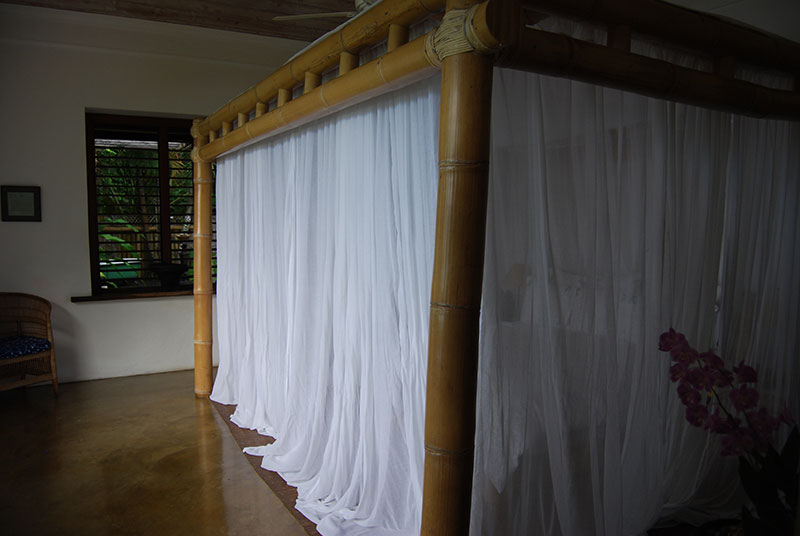
Bedroom at Goldeneye
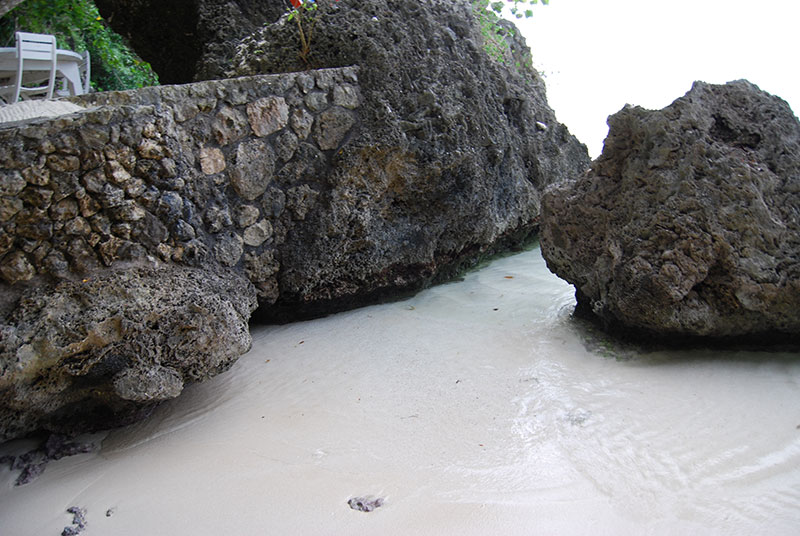
Private beach at Goldeneye
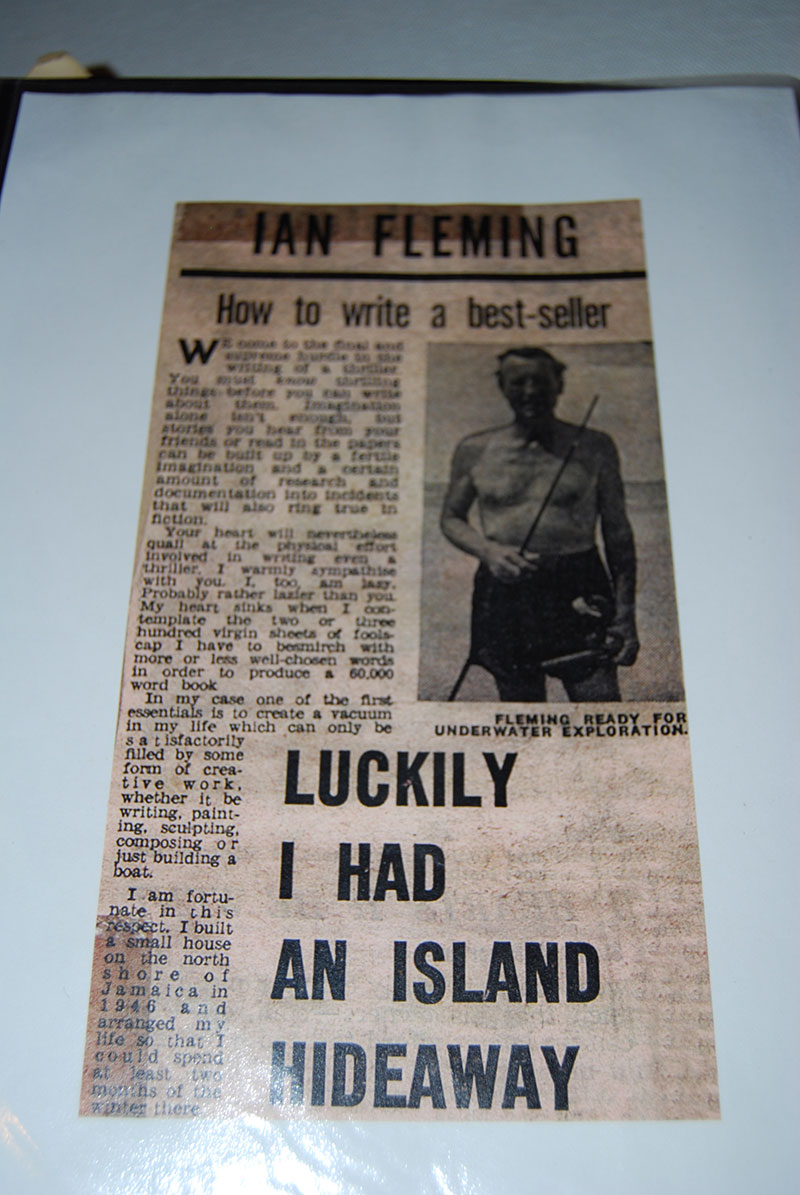
Cutting in scrapbook at Goldeneye
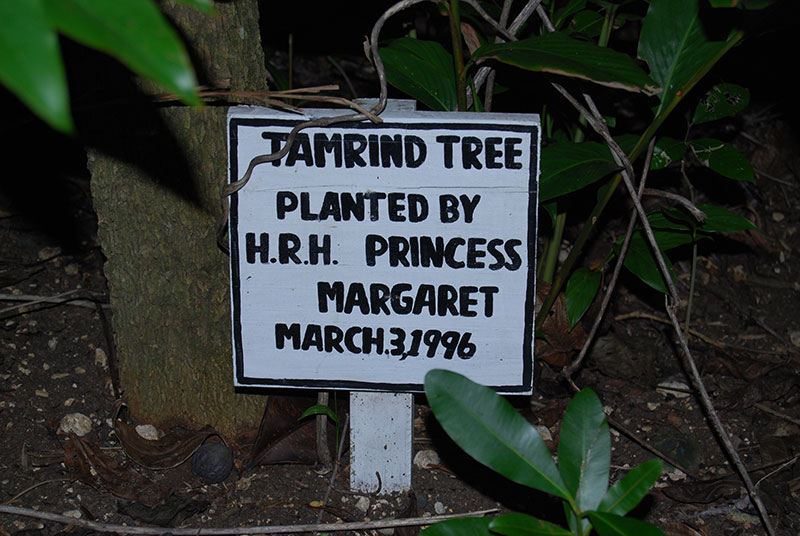
Within the grounds of Goldeneye
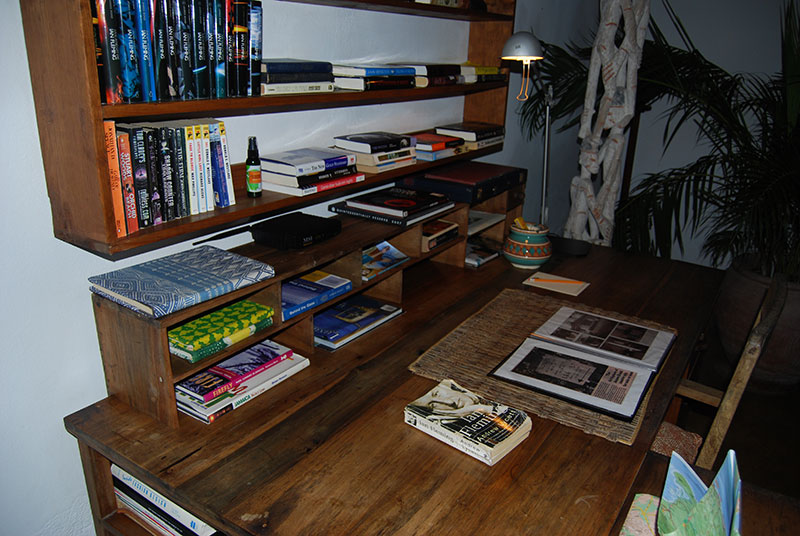
Desk at Goldeneye
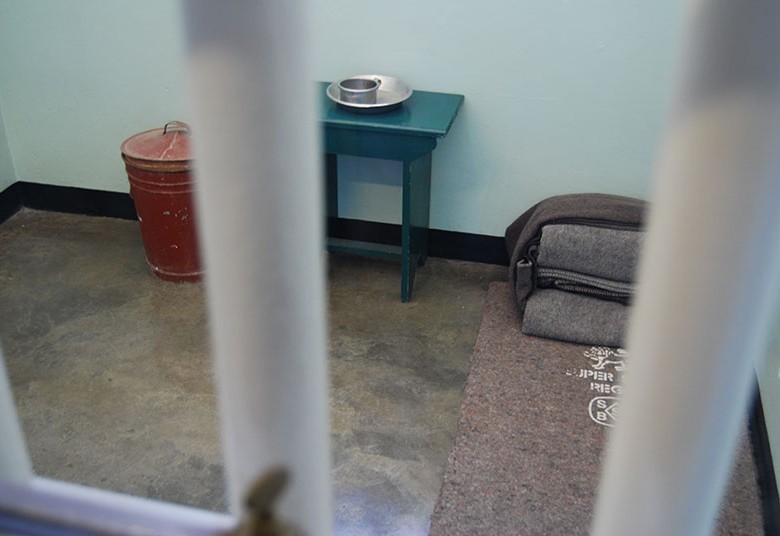
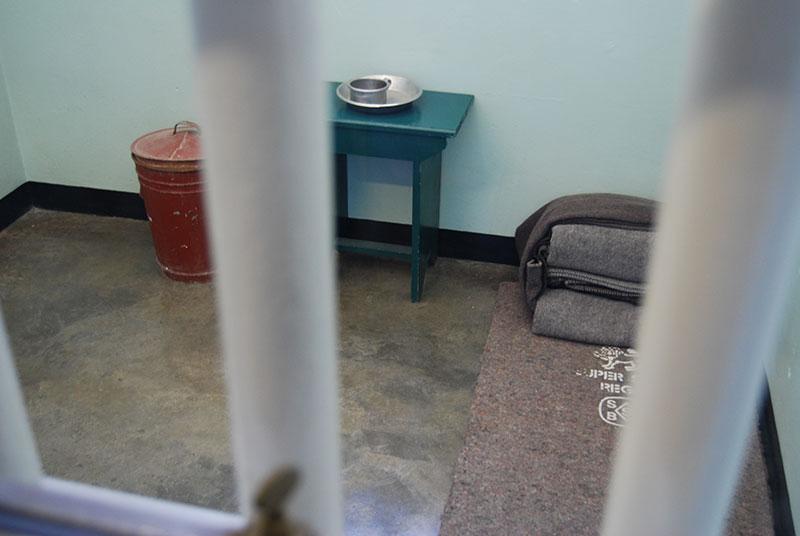
Mandela’s cell on Robben Island
In a grey room with a concrete floor, bars on the windows and fluorescent tube lighting, a group of about 40 tourists is sitting on narrow benches listening to Ntambo Mbatha, a 49-year-old former inmate on Robben Island, explain what life was like in the notorious prison where Nelson Mandela was held during the struggle against apartheid.
Mbatha has just shown us a dirty mat on which inmates used to sleep and is pacing about as he used to during his seven-year “terrorism” sentence in the 1980s. “When you arrived you were given a number. Your name ceased to exist,” he says. “We lost our identities and were divided on racial grounds: blacks, coloureds and Indians.”
The policies of apartheid were maintained even on this hot dusty island that is only a 45-minute ferry trip from the Cape Town waterfront. “But we refused to be divided,” Mbatha says proudly, leading us through a courtyard full of weeds to the section where Mandela and other political leaders were held in solitary confinement. Mandela spent 18 of his 27 years in captivity on Robben Island. He was released 20 years ago next Thursday.
Mandela’s cell was small and grim — much smaller than the bathroom at my swanky hotel back on the Victoria & Alfred docks in Cape Town. We file past with cameras flashing, taking in the mat on which he slept, a tiny wooden table and a red toilet bucket. “We” consists of a mixed group of overseas tourists and South Africans of all colours. Although there has been chatter as we walk through the courtyard, we fall silent by the grey metal bars.
It is a moving moment. “This is the first time I have been here and it is very sad,” Carolin Sejeng, 38, a black medical co-ordinator from Johannesburg, says in the courtyard afterwards. “Sometimes you just don’t realise what things are like until you see them with your own eyes.”
Tours to Robben Island take about four hours — 45 minutes each way on the ferry, with a walk through the prison compound and a drive around the island on buses bearing the slogan: “The journey’s never long when freedom’s the destination.” The experience comes alive because the guides are former inmates.
Mbatha takes us to a room near the former censor’s office. This was where all letters were read before being passed on to prisoners once a week. Political messages were cut, but the censors also often deleted love messages.
After telling us this, Mbatha regales us with his own story. He left South Africa aged 21, travelling via Swaziland and Mozambique to Angola, where he was trained by the African National Congress, before returning to South Africa, where he was arrested in Soweto for anti-apartheid activities.
He was taken to a detention centre where he was “severely treated both physically and psychologically: I cannot begin to tell you what happened”. As we part, we shake his hand, and he is asked how he can bear to return here. “It is just my work,” he says simply, with a smile.
We file on to a bus, where we meet another guide, Sedick Levy, 68, who was imprisoned on the island in 1963. As we drive to a limestone quarry he tells us about the Sharpeville massacre, in 1960, when at least 69 protesters were shot dead by police in that township.
Levy tells us that work in the quarry was a hard slog and how sunlight hurt the workers’ eyes, but they were refused sunglasses. The toilet at the quarry became an important place where inmates could talk to each other without being overheard. “Some of our youths today think that freedom has fallen from the sky,” he says quietly. “Little do they know how their parents suffered.”
Farther on, we look out across to the splendid silhouette of Table Mountain and Levy says: “I hate this place.” He is referring to Robben Island, not South Africa. He loves his country now: “Before I kick the bucket, at least I can say that I have lived under a democratic government.”
A gift shop near the ferry dock sells copies of the shirt printed with goldfish that Mandela wore when he returned to Robben Island, as well as postcards bearing his messages. “The struggle is my life. I will continue fighting for freedom until the end of my days,” one says, while another, more cheekily, says: “I cannot help it if the ladies take note of me; I am not going to protest.” Chess sets are on sale with pieces made in the shape of F. W. de Klerk, Desmond Tutu and Mandela (the king).
Only 20 years after his release life has changed beyond recognition on this once notorious island.
Getting there ITC Classics (01244 355527, itcclassics.co.uk) offers five- night trips staying at Table Bay Hotel (suninternational.com) on the Victoria & Alfred Waterfront from £1,580, flights and transfers included. BA (ba.com) has return flights from £619.
Getting around Holiday Autos (holidayautos.co.uk) has car hire from £118 for a week.
The Robben Island Museum (robben-island.org.za) has four daily ferry departures. Tours are popular, so book well in advance on the internet — you can print out tickets, £17.
Nelson Mandela: for details on 20th-anniversary freedom celebrations, see nelsonmandela.org.
First published in The Times, February 6 2010
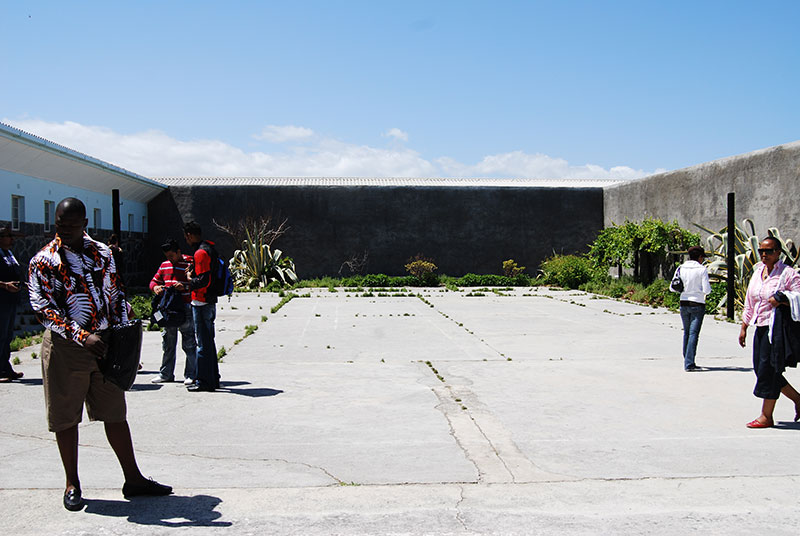
Prison yard
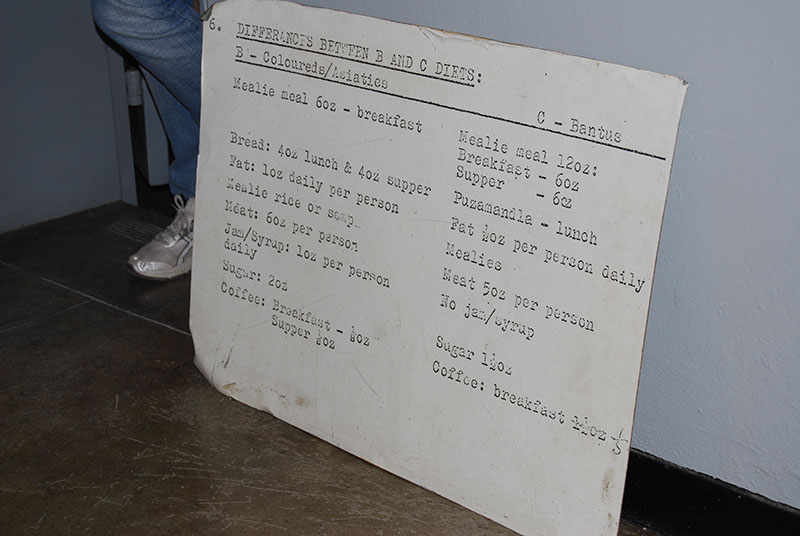
Different diets for different races

Sentry tower
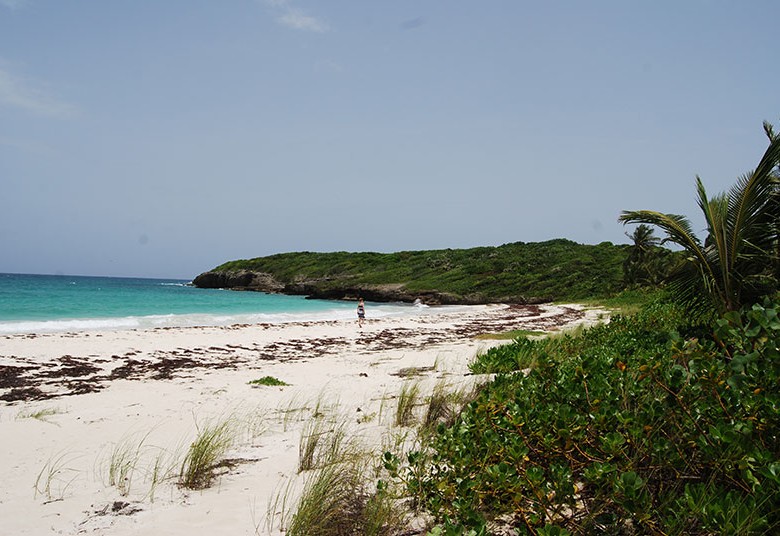
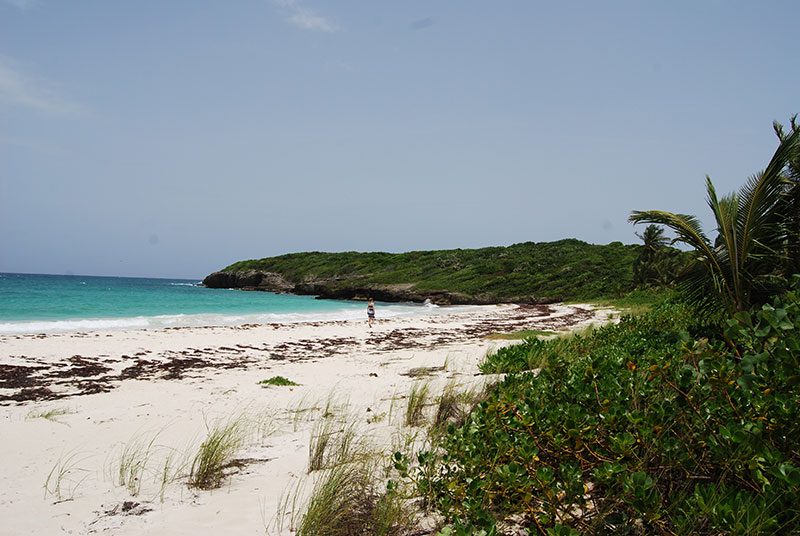
The beach at Playa Navio, where the final scenes of Lord of the Flies were shot in 1963 by Peter Brook (more pictures at the end of the article)
It felt like another planet. In the early evening gloom, dark shapes of swamp-like vegetation spread out in a wide circle around the crater-shaped bay. Insects buzzed as darkness descended. We paddled into the middle, the splash of each stroke echoing eerily across the calm surface. And then we noticed something. As we dipped our paddles into the salty water, a murky — at first almost unperceivable — light glowed below. As the minutes ticked by and we moved farther out into the bay, with not a soul about, the glow grew brighter.
We paused as Abe, our guide, explained the strange goings on: “This bay has the highest concentration of dinoflagellates on Earth: the micro-organisms that create this light. They absorb sunshine during the day using a process of photosynthesis. At night they release it to attract fish that eat their predators.”
As the odd light rose from the depths, Abe said that while in normal sea water there might be 30 to 40 dinoflagellates per gallon (too few to notice their illumination), in Mosquito Bay on Vieques, a small island east of Puerto Rico, there are as many as 720,000 per gallon. Soon the peculiar creatures were in full bioluminescent glow, unlike anything we’d seen before. Each paddle stroke produced a blaze of blue-white light. The outlines of fish zipped below like streaks of lightning. “Jump in,” said Abe. And we did; our bodies suddenly lit up as though we’d been dipped in fluorescent paint.
Vieques is a most unusual place; and not only because of its other-worldly waters. The island is part of Puerto Rico, eight miles to the east of the mainland and about 20 miles long and four miles wide, with about a third of the eastern edge closed to visitors — it is contaminated with unexploded ordnance left over from the days when the US Navy used it as a base.
The Americans, after setting up camp in 1941, finally left in 2003 in the wake of protests after the death of a local during an errant manoeuvre. This was the culmination of many years of anti-US feeling on the island, where the 10,000-strong population had been squashed into only a quarter of the land. It is one of the quietest Caribbean islands, hardly developed at all, unlike mainland Puerto Rico, which comes under the commonwealth of the United States with its highways, burger joints, KFCs and malls.
While some mainland Puerto Ricans would like the country, first conquered by the Americans in 1898, to become the official 51st US state, others are in favour of independence. Nowhere is that sense of wanting independence stronger than on Vieques, with its recent US Navy past.
It’s a sleepy, tranquil island — a perfect hideaway from the mainstream Caribbean. With its narrow, empty roads shaded by creepers hanging from thick-green trees, bright flashes of scarlet flowers on its Flamboyant trees, empty beaches, crumbling US Navy bunkers and two tiny towns, it feels incredibly secretive. It’s stylish, too — if you stay at its new designer hotel (the only one of any size; the next biggest has about a dozen rooms).
It took 20 minutes to fly from San Juan — Puerto Rico’s capital, with its splendid fortified 16th-century old town — to the airstrip at Vieques. On the way we could see the big, five-star hotels and golf courses along the main island’s eastern coast, as well as the peaks of the El Yunque National Forest. We could also see the huge breakwater built by the Americans, originally intended to link Vieques with the mainland in the 1940s to act as a safe haven for a retreating British Navy in the event of Hitler occupying the UK. Construction was halted in 1943 when Allied fortunes improved.
The W Retreat and Spa, opened last year, had its own “executive lounge” at the tiny airport — a laid-back bar serving rum cocktails and Corona beer. From there it was a five-minute drive in a minibus to the hotel, which has more than 150 rooms designed in a boho-chic style.
You enter through giant wooden doors into a reception with multicoloured decorations on the wall in the shape of butterflies and the little coqui frogs (which make a distinctive “cokee-cokee” sound). Past circular sofas with colourful throw pillows, you reach a large lounge with Moroccan-style rugs, L-shaped day-beds, peculiar abstract art, multicoloured guitars marked with “Love Sweet Love” (for guests to use), games of Monopoly, art books and a red-baize pool table.
Ambient dance music played. Waiters stood behind a bar with pink seats. On a veranda, couples sat at large pink, yellow and green circular seats (no shortage of colour at the W Retreat). A fire pit, where a flame was lit at dusk and “sunset sip” cocktails were served each evening (included in the price), was sunk cleverly into a lawn overlooking the Atlantic Ocean. Our room was also in this funky style, with a circular sofa and a giant bed surrounded by a decorative curtain. It overlooked two infinity swimming pools, where children played and couples relaxed on loungers with bright pink towels.
We explored the island in a Jeep Wrangler hired for $50 (£30) a day from the car rental agency across the street. “A bargain, but take a look first!” the owner said, showing me a beat-up vehicle with ripped, slightly soggy seats (caused by an overnight downpour; we covered them in cardboard) and a glove compartment that fell off when we opened it.
It was perfect for Vieques, and we were soon investigating the jungle-enveloped lanes, dropping south to the small town of Esperanza, with its higgledy-piggledy bars, laid-back B&Bs and restaurants with names such as Lazy Jack’s and Duffy’s. Chilled-out folk in flip-flops shuffled about — a far cry from the bustle of the mainland. Nearby, we took in Playa Navio, the beach where the final scenes of Lord of the Flies were shot in 1963 by Peter Brook, driving down a madly bumpy lane to get there. Only two other people were on the sands, no sign of children; savage or not.
Then we drove back through more jungle, past the entrance to Mosquito Bay, where its glowing waters are deep blue during the day. Vieques no longer has the US Navy launching bombs and causing a racket. Now it has hippies, boho cool, a lovely quiet feel — and, of course, some very strange lights in its waters at night.
Getting there
BA (ba.com) has return flights to San Juan, via Antigua, from £461. Cape Air (www.flycapeair.com) has returns from San Juan to Vieques from $140 (£86).
BA Holidays (0844 4930758, ba.com/puertorico) offers a week, room only, at the St Regis Bahia Beach Resort on the mainland from £1,709pp including return flights from Heathrow. St Regis is a new five-star hotel, just outside San Juan and close to the El Yunque rainforest.
BA Holidays also has a week at the Rio Mar Beach Resort & Spa, a four-star family-friendly hotel just outside San Juan, from £969pp.
Where to stay
Rooms at the W Retreat & Spa Vieques Island (whotels.com) cost from $402.
What to do
Abe’s Snorkeling & Bio-Bay Tours (abessnorkeling.com) arranges two-hour night tours, in kayaks, of the bioluminescence. Prices start at $30pp and $15 for children under 11.
Further information
Puerto Rico Tourism Company (seepuertorico.com); The Rough Guide to Puerto Rico (£12.99, roughguides.com).
The film The Rum Diary, based on the book by Hunter S. Thompson and set in Puerto Rico, is released on November 11.
Los Roques, Venezuela
The archipelago of Los Roques lies about 160km north of the Venezuelan mainland. It consists of 42 named islands and 250 unnamed islets. There’s only one village, on the island of Gran Roque, which has a little airport, a handful of sandy streets and a wide selection of colourfully painted pousadas. Many are run by Italians, who flocked to Los Roques after a restaurateur named Vincenzo Conticello wrote about its charms in the 1980s. The islands, with their many isolated sandy beaches, are known for their great seafood — especially lobster.
Details Journey Latin America (020-8747 8315, journeylatinamerica.co.uk) has a ten-night trip to Venezuela, including five nights in Los Roques from £2,452pp.
La Isla de la Juventud, Cuba
Though few have heard of it, this island off the southwest coast of Cuba is the seventh- biggest in the West Indies, with a population of about 100,000. But the “island of youth” is a sleepy place compared with the bustle of the mainland — a recent Times Travel writer reported finding dogs asleep on highways outside the main town, Nueva Gerona. This feels busy in comparison to the rest of the island, with market places and salsa dancing in the evenings. It’s a short drive to plenty of beaches and wild, isolated nature reserves. Tourism is rare, people are open and friendly and there is little of the dollar-chasing of the mainland.
Details Best At Travel (020-7849 4145, bestatcubaholidays.co.uk) offers three nights on La Isla and four in Havana, with all flights from £870pp.
Carriacou, Grenada
Divers know about Carriacou — there are wrecks of First World War gunboats in its waters — but few others seem to. The main town is Hillsborough, which has a few buildings, a jetty and a fruit market. There is also a museum detailing the history of slavery on the island; the African influence on Carriacou still runs strong and there are “big drum” dances, which can be traced to the West Coast of Africa. There are peaceful beaches, protected nature reserves and lovely hidden coves. Carriacou is Arawak for “island of reefs”, another reason divers love it so much. The population is about 5,000.
Details Dive Worldwide (08451 306980, www.diveworldwide.com) offers seven-night trips with all flights, hotels and diving from £1,295pp.
First published in The Times, October 29 2011
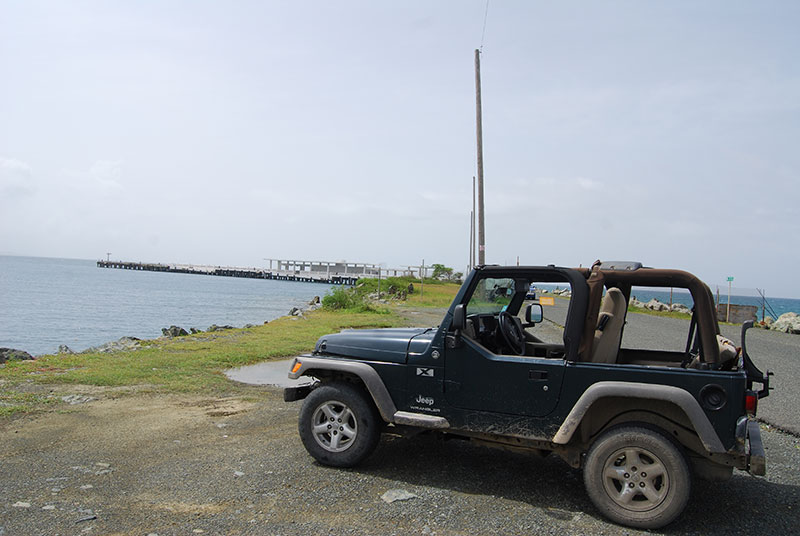
$50 a day Jeep on the breakwater built by the Americans, originally intended to link Vieques with the mainland in the 1940s to act as a safe haven for a retreating British Navy in the event of Hitler occupying the UK
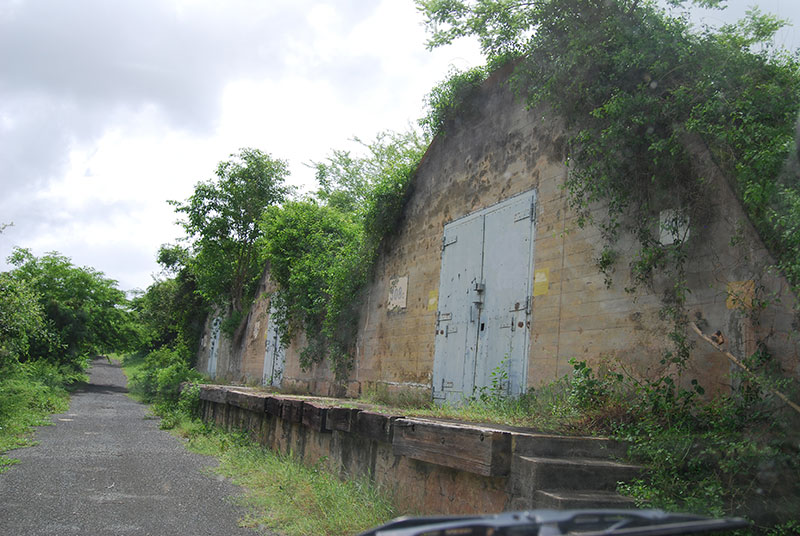
Old US bunkers on Vieques
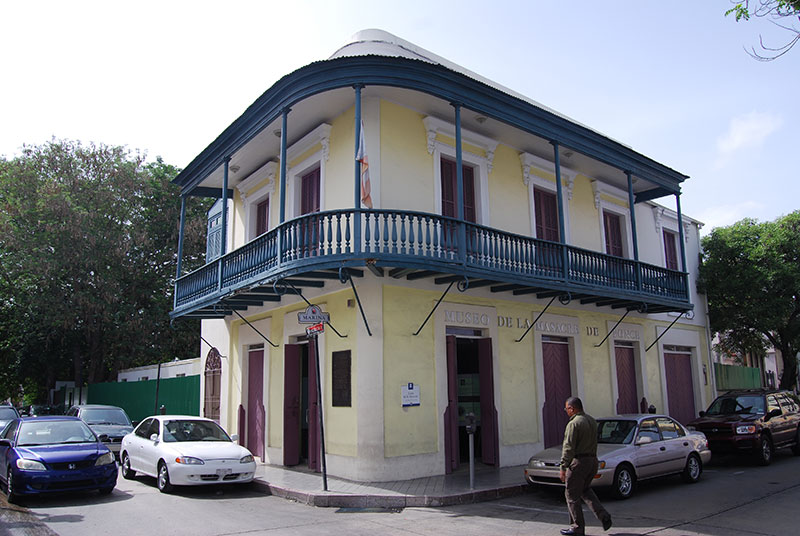
Museum in the town of Ponce
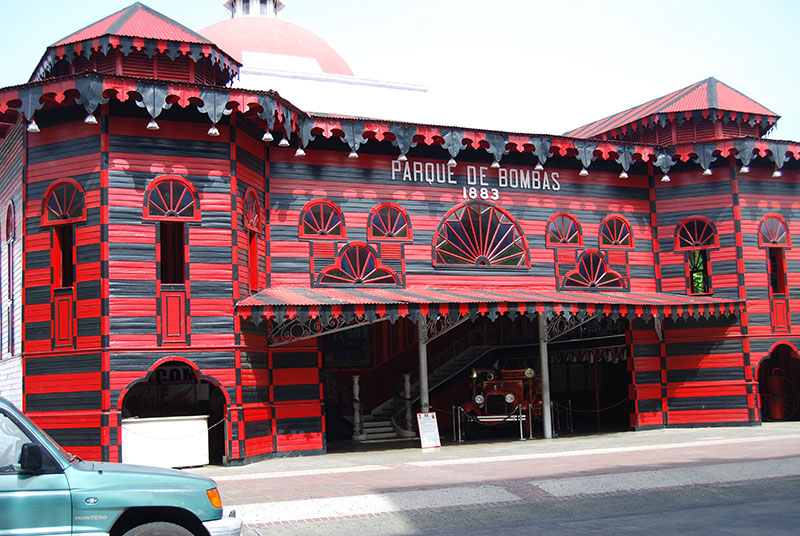
Historic fireman’s depot in Ponce